
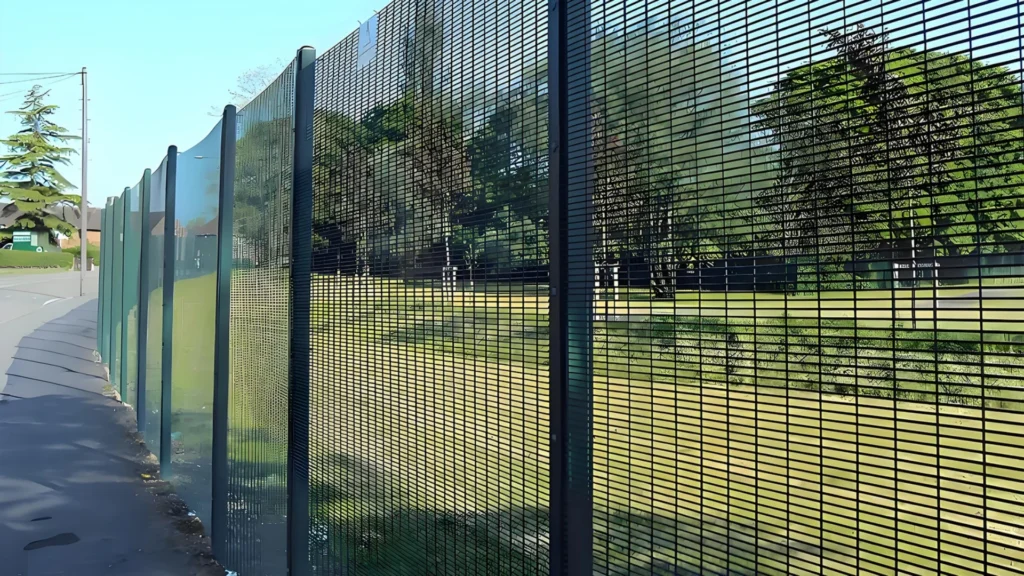
358 Anti-Climb Fencing as a Perimeter Security System for Critical Energy Infrastructure
En los últimos años, las cadenas mundiales de suministro de energía han seguido ejerciendo presión sobre los acontecimientos geopolíticos, los conflictos regionales y los riesgos que afectan al transporte energético. Al mismo tiempo, la seguridad del perímetro en la infraestructura energética crítica—incluyendo refinerías, terminales de recepción de GNL, almacenamiento y transferencia de petróleo y gas, y grandes complejos petroquímicos—ha recibido creciente atención. Para los principales proyectos petroquímicos, la seguridad no se limita al equipo de procesamiento, sistemas de protección contra incendios y sistemas de control; el perímetro externo también forma parte de la arquitectura general de seguridad del sitio. En proyectos de EPC en el extranjero, normalmente se elaboran cerraduras perimetrales frente a los requisitos de seguridad del proyecto, especificaciones técnicas y planos generales o diseños de sitios. Para zonas perímetro de mayor seguridad, 358 hembras anti-clima se ha convertido en una solución comúnmente especificada. El reto de ingeniería, sin embargo, no es simplemente comprar "358 paneles de malla", sino desarrollar un paquete completo de esgrima que puede pasar aprobación técnica, ser fabricado e inspeccionado, y ser instalado correctamente en el sitio.
|
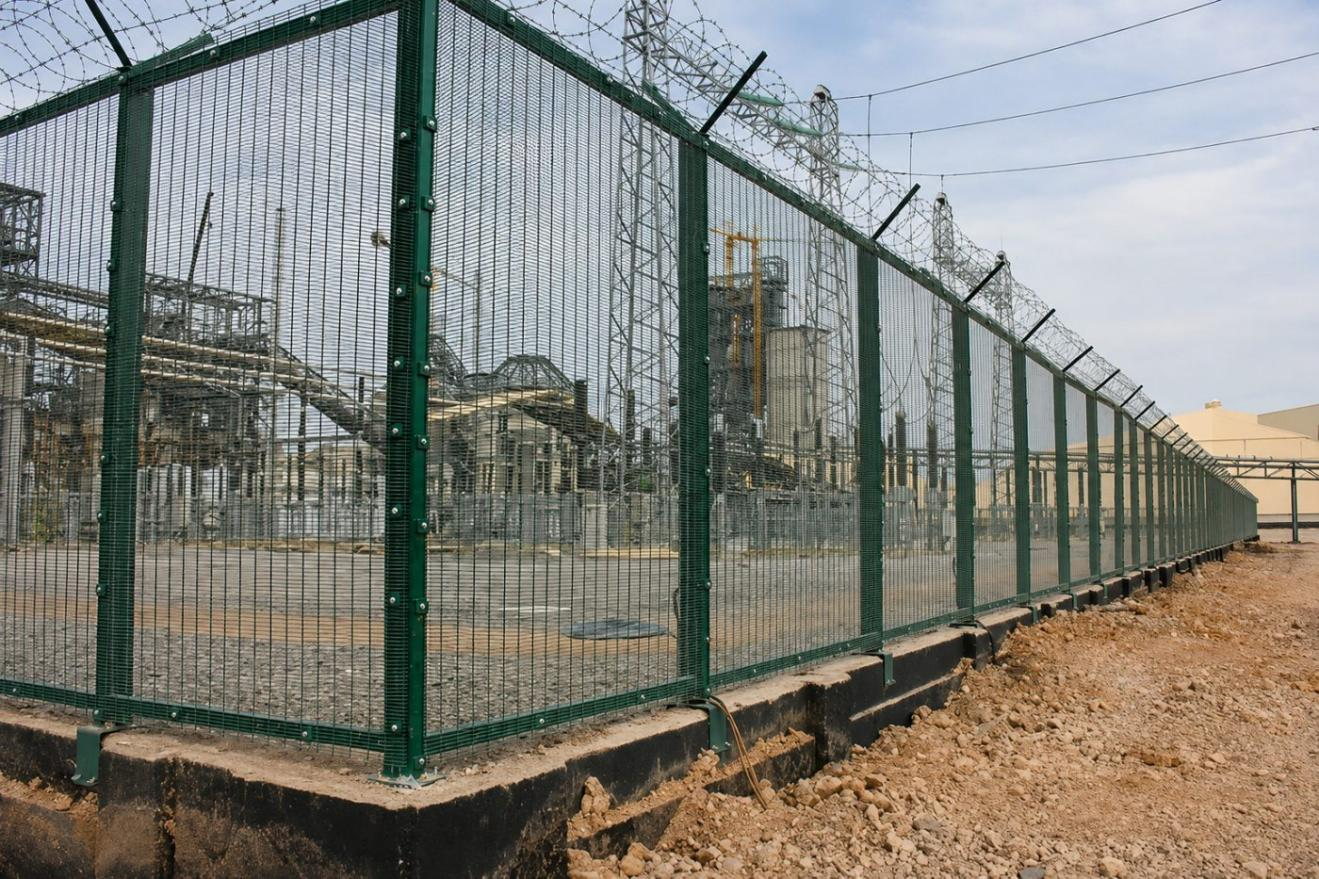
1. ¿Por qué es 358 Fencing Commonly Especified for Overseas Petrochemical Perimeters?
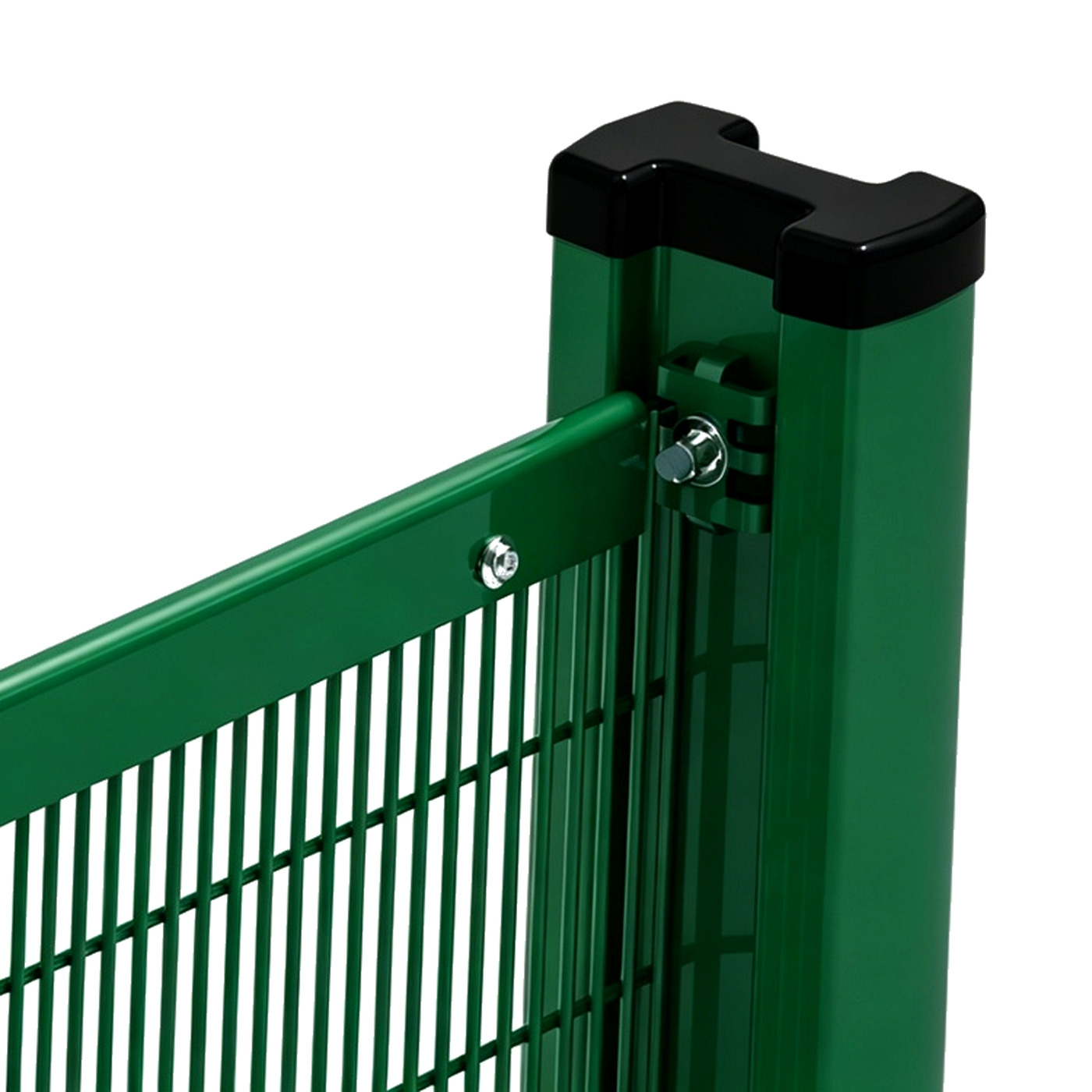
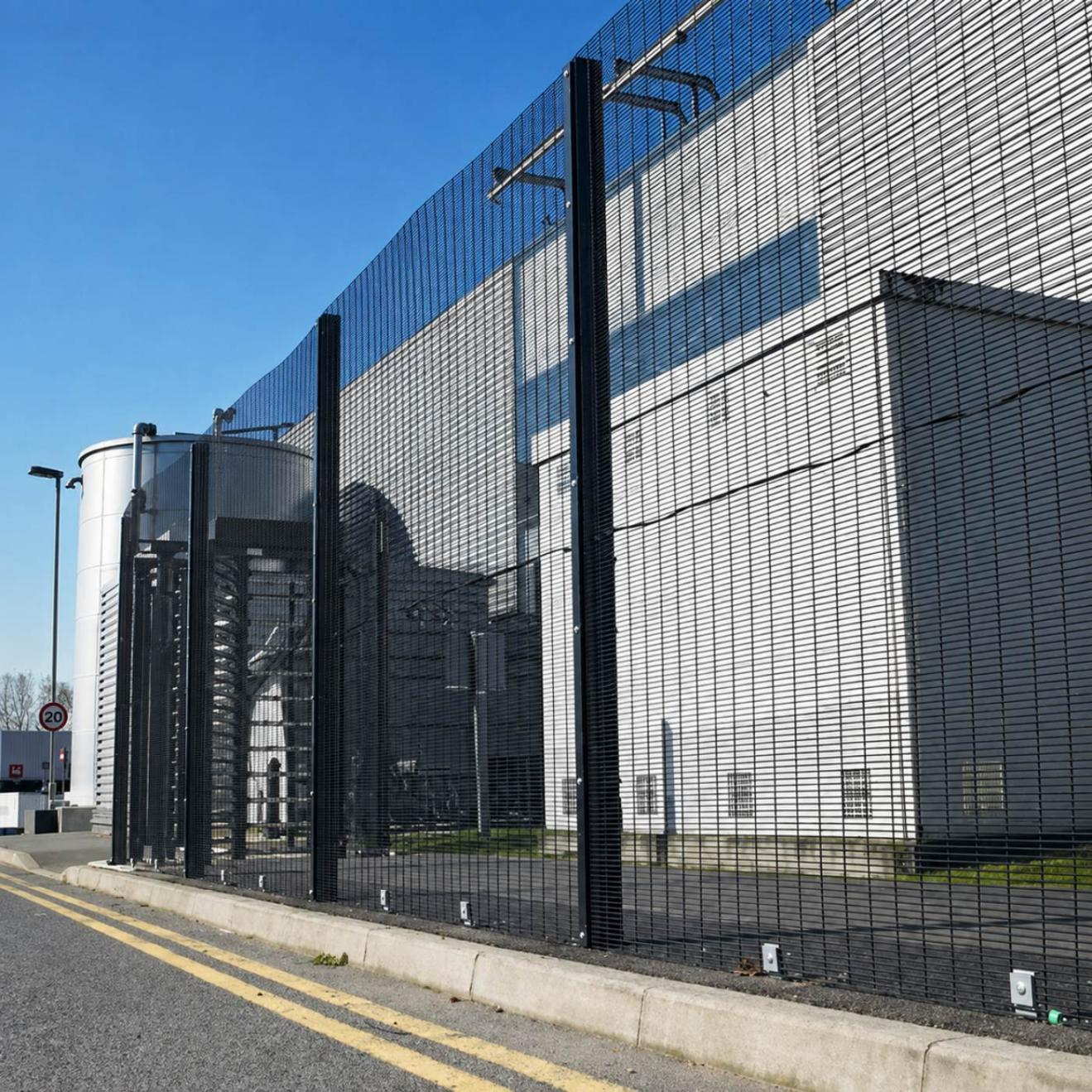
Una configuración típica de malla 358 utiliza:
- Apertura de malla: 76.2 × 12,7 mm
- Diámetro de alambre: aproximadamente 4,0 mm
Las dimensiones finales y los parámetros de material deben confirmarse siempre contra la especificación técnica del proyecto.
En comparación con las hembras de malla soldadas convencionales 2D o 3D, la abertura pequeña de un panel 358 hace difícil obtener manos o pies eficaces para escalar mientras mantiene una buena visibilidad a través del perímetro. Esto hace que el sistema sea especialmente adecuado para refinerías, instalaciones de GNL, terminales de petróleo, granjas de tanques y otras áreas restringidas que requieren mayores niveles de protección del perímetro.
Definición de proyecto va más allá del panel de malla
Especificar "358 hembras" sola no es suficiente para un paquete de proyecto. El proveedor debe continuar la definición técnica contra los documentos de diseño y confirmar:
- Altura de Fence
- Sección de puestos y tamaño
- Espaciamiento de puestos
- Interfaz de fundición o placa base
- Arreglos de conexión entre grupos y puestos
- Detalles de la puerta
- Tratamiento de alta seguridad o configuración de topping
Estos requisitos deben incorporarse en los dibujos detallados de ingeniería y los envíos técnicos antes de que el paquete sea liberado para la fabricación formal.
|
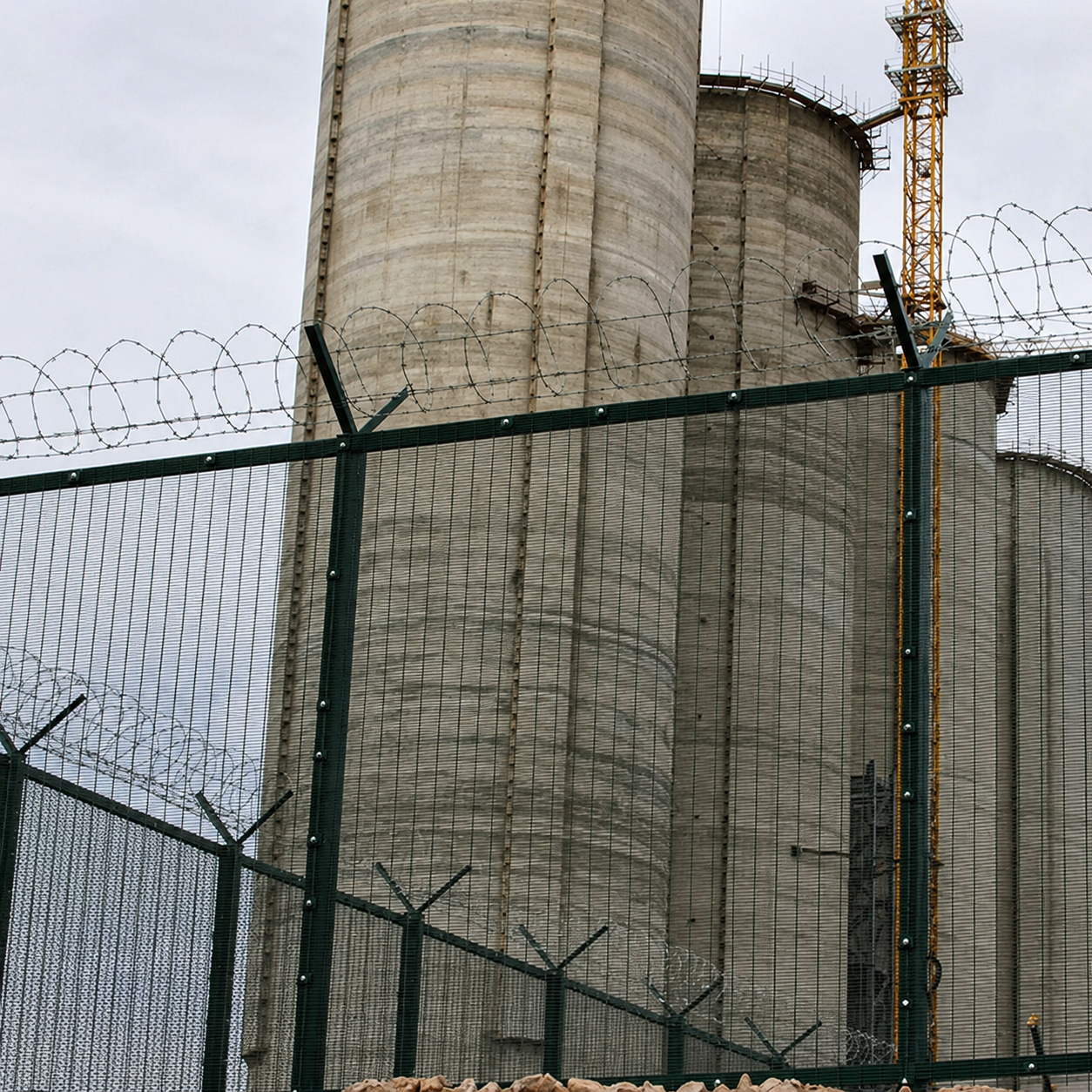
2. Para Proyectos Petroquímicos, el Sistema de Protección de Corrosión es un requisito de ingeniería crítica
Petrochemical facilities—especialmente complejos de refinación costera, terminales de recepción de GNL y proyectos de energía portuaria—puede exponer el cerramiento perimetral a alta humedad, atmósferas saladas y entornos industriales durante largos períodos. Por esta razón, una especificación técnica no debe detenerse en una declaración general como:
Galvanización caliente + recubrimiento de polvo
El requisito de recubrimiento debe traducirse en parámetros que pueden fabricarse, medirse e inspeccionarse, por ejemplo:
- Masa de recubrimiento de zinc
- Espesor de revestimiento de zinc
- Espesor de película seca recubierto de polvo
- Preparación superficial
- Protección de la corrosión para sujetadores
- Reparación de zonas soldadas
- Reparación de daños de revestimiento
La protección de la corrosión debe ser consistente en toda la Asamblea
El nivel de resistencia a la corrosión de los paneles de malla, puestos, componentes de conexión y sujetadores debe coordinarse como un sistema. Si los componentes principales de la valla cumplen con el requisito del proyecto, pero los sujetadores o el hardware de conexión tienen un nivel de protección inferior, estos componentes todavía pueden convertirse en puntos débiles en la durabilidad a largo plazo del sistema perímetro.
Los requisitos definidos deben ser llevados a las hojas de datos materiales, el sistema de protección de la corrosión y el Plan de Inspección y Prueba (ITP), para que formen parte de la base de fabricación y aceptación.
|
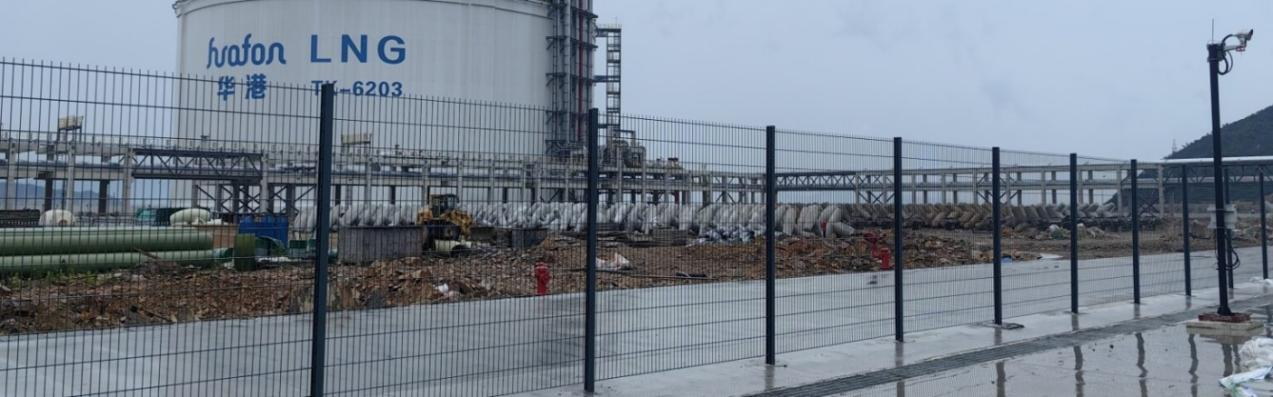
3. EPC Projects Procure a Complete Fencing System, Not a Standard Fence Panel
Para proyectos de EPC en el extranjero, un proveedor de esgrima recibirá normalmente un paquete que contiene:
- Especificaciones técnicas
- Disposición general / diseño del sitio dibujos
- Bill of Quantities (BOQ)
- Dibujos típicos de detalle
- Normas de proyectos
Estos documentos establecen la intención de diseño, pero muchos parámetros de nivel de producto todavía deben ser desarrollados y finalizados por el proveedor especialista de cerradura durante la ingeniería detallada.
Submittals Técnicos Proveedor Típico
- Ingeniería / diseños detallados
- elevaciones de Fence
- Secciones típicas
- Detalles de conexión
- Detalles de la puerta
- Fichas de datos materiales
- Matriz de cumplimiento
- Sistema de protección/recubrimiento de la corrosión
- Plan de Inspección y Prueba (ITP) / Plan de Control de Calidad (QCP)
|
Función del Proveedor Especialista: Tras su revisión por el contratista de EPC, empresa de gestión de proyectos, ingeniero de consultoría o equipo de ingeniería del propietario, los documentos pertinentes deben alcanzar el estado de aprobación requerido por el proyecto antes de que puedan ser utilizados como base formal para la fabricación. No se espera que el proveedor especializado de vallas rediseñe el proyecto. Su función es trabajar dentro de la especificación técnica aprobada y la intención de diseño, convirtiendo esos requisitos en parámetros de producto que en realidad se pueden fabricar, instalar, inspeccionar y aceptar.
4. Asuntos de Cumplimiento Técnico Más que una calificación simple
El precio es importante en la licitación de proyectos en el extranjero, pero la evaluación técnica también determina si un proveedor puede avanzar en la próxima etapa de adquisición. Por ejemplo, un proyecto puede especificar:
- Altura de cerca de 2400 mm
- Diámetro de alambre de 4,0 mm
- Sección de postes especificados y tamaño
- Requisito de galvanización especificado
- Espesor de película seca
- Aparatos antitamper especificados
Un proveedor no debe responder sólo con "cumplidor". Una respuesta técnica útil debe identificar claramente:
- Parámetros propuestos
- Grados materiales
- Dibujos de referencia
- Sistema de protección/recubrimiento de la corrosión
- Normas aplicables
- Desviaciones, si hay
Si el requisito del proyecto difiere del producto estándar de la fábrica, la diferencia debe aumentarse durante la aclaración técnica en lugar de ser descubierto después de que haya comenzado la fabricación. Para los proyectos EPC, cuanto más a fondo se resuelven los problemas técnicos en la parte frontal, menor será la incertidumbre durante la fabricación y la instalación del sitio.
|
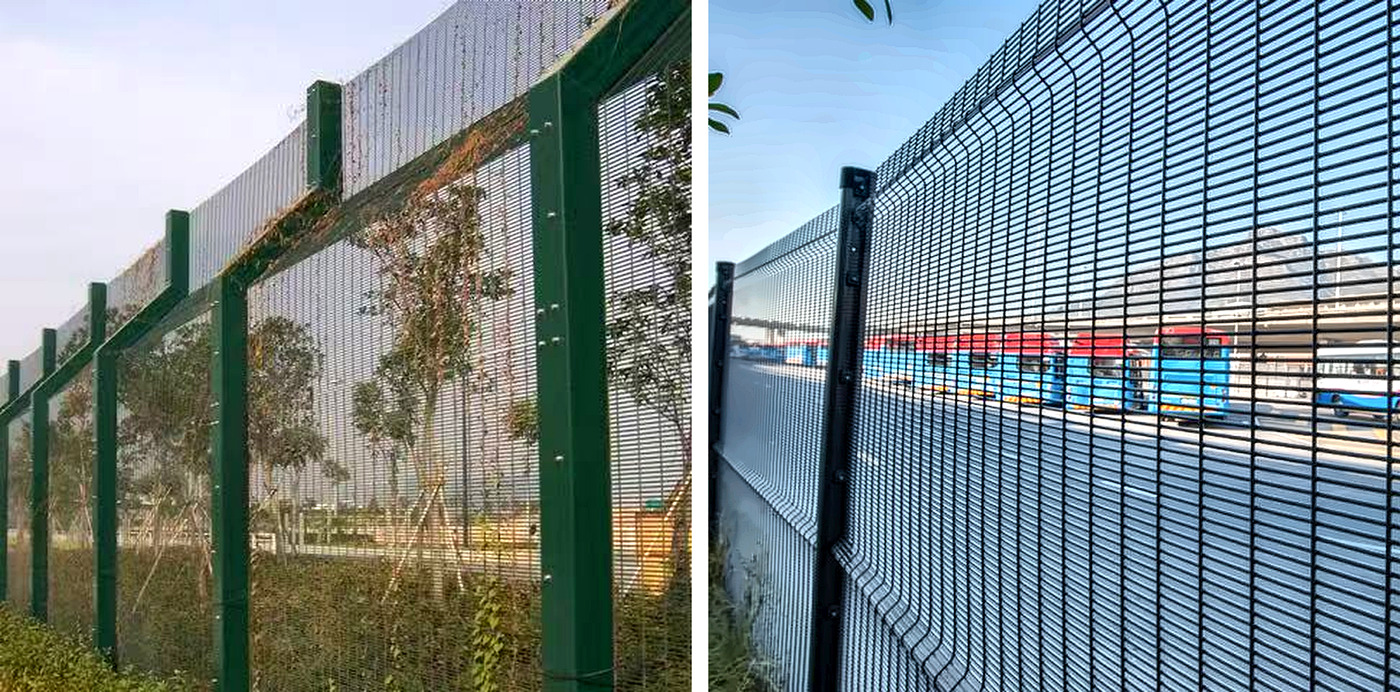
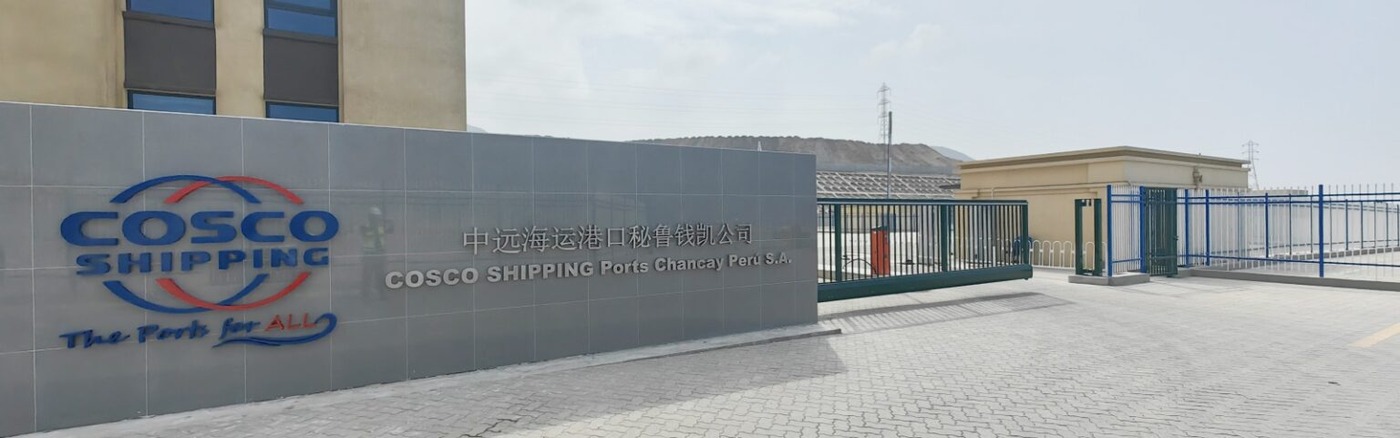
5. Caso del proyecto: Sistema de alimentación portuaria de Perú
Para un proyecto portuario en Perú, Comando participó en la licitación para el sistema de esgrima perímetro y fue premiado con éxito el paquete de suministro.
Tras la adjudicación, se confirmaron los paneles de malla, los puestos, los métodos de conexión y el sistema de protección de la corrosión superficial contra los documentos de diseño de proyectos y las necesidades técnicas.
Después de haber acordado los parámetros técnicos, se organizó la producción en la fábrica de China de acuerdo con los requisitos confirmados, seguido de la exportación al sitio del proyecto.
|
5.1 Soporte de ejecución de proyectos: orientación de instalación del sitio y asistencia técnica
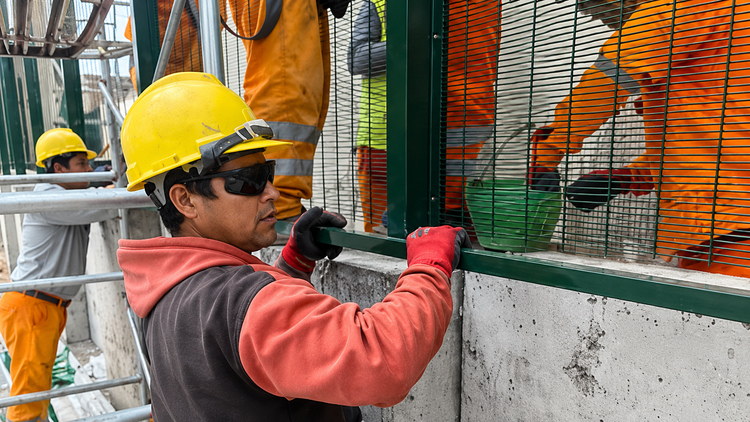
Después de que los productos llegaron al Perú, el Comando organizó personal técnico para apoyar al equipo del sitio con orientación de instalación y asistencia técnica, centrándose principalmente en:
- Encuesta y puesta en marcha
- Espaciamiento de puestos
- Detalles de conexión
- Instalación de puerta
- Ajuste del sitio
La orientación de instalación in situ continuó durante aproximadamente un mes para ayudar a asegurar que el sistema de hembras se instaló y entregó de conformidad con los requisitos del proyecto.
|
Ejecución completa Lógica para un paquete de alimentación industrial en el extranjero
Requisitos de diseño → clarificación técnica → Ingeniería detallada → Aprobación → Fabricación → Export → Soporte de instalación del sitio
|
6. Conclusión
A medida que siguen aumentando las preocupaciones mundiales en materia de seguridad energética y los requisitos de protección de infraestructuras críticas, las refinerías, las instalaciones de GNL y los proyectos de petróleo y gas están haciendo mayor hincapié en los sistemas de seguridad perimetral.
Debido a su pequeña abertura, menor escalabilidad y buena visibilidad para la vigilancia, 358 esgrima anti-clima se ha convertido en una solución de perímetro comúnmente utilizada para aplicaciones de mayor seguridad en proyectos extranjeros.
Para un proyecto EPC, sin embargo, 358 es sólo la forma de producto. La ejecución exitosa depende de si el proveedor puede interpretar correctamente la especificación técnica, completar los envíos detallados de ingeniería y documentos necesarios, y luego fabricar, inspeccionar y apoyar la instalación de acuerdo con los requisitos aprobados. El proyecto no está adquiriendo un único panel de malla 358; está proponiendo un sistema de hembras perímetro que debe ser ejecutable de documentos de diseño a través de la aceptación final del sitio.
Planificación de un proyecto Petroquímico o Perímetro de Infraestructura Energética
Cuando un proyecto tiene especificaciones técnicas, un arreglo general o diseño del sitio, un BOQ y detalles del perímetro inicial, CommandFence puede ayudar a desarrollar el paquete de vallas en parámetros de producto coordinados, dibujos detallados, requisitos de protección de la corrosión, fabricación personalizada y preparación de la instalación.
Nota de ingeniería: La altura final de la valla, los parámetros de malla y post, los detalles de la conexión, las fundaciones, el hardware antitamper y los requisitos de protección de la corrosión deben confirmarse contra la especificación técnica del proyecto, los dibujos aprobados y las normas aplicables del proyecto antes de la fabricación.





Responder