
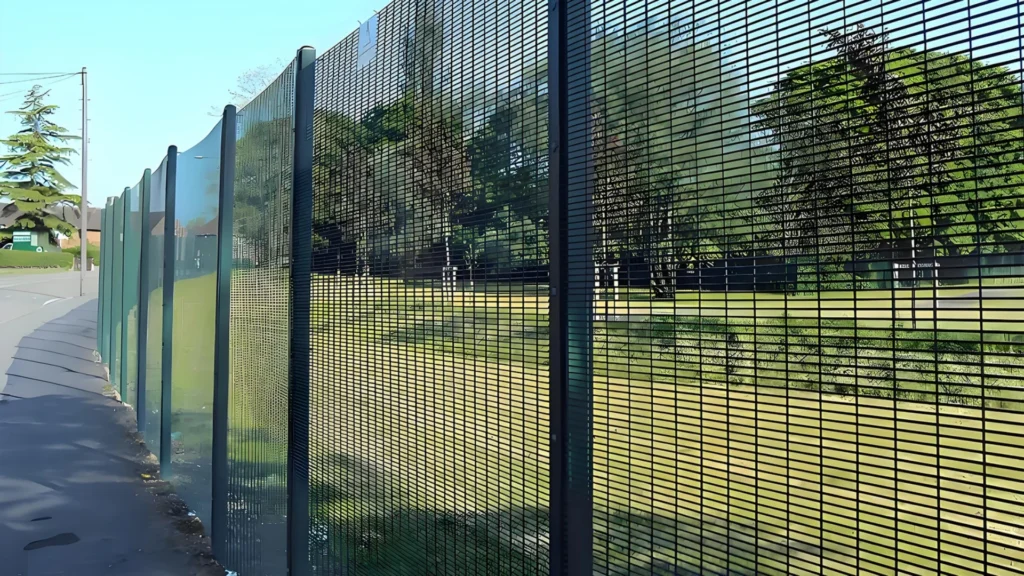
Protección de la seguridad portuaria por zonas y gestión de límites funcionales
Este estudio de caso se basa en las fotos completadas del proyecto Chancay Port en Perú. Muestra cómo se utilizaron diferentes sistemas de vallas en áreas de manipulación de contenedores, fronteras externas, zonas de oficinas, carreteras internas, secciones clave de seguridad y puntos de control de acceso.
|
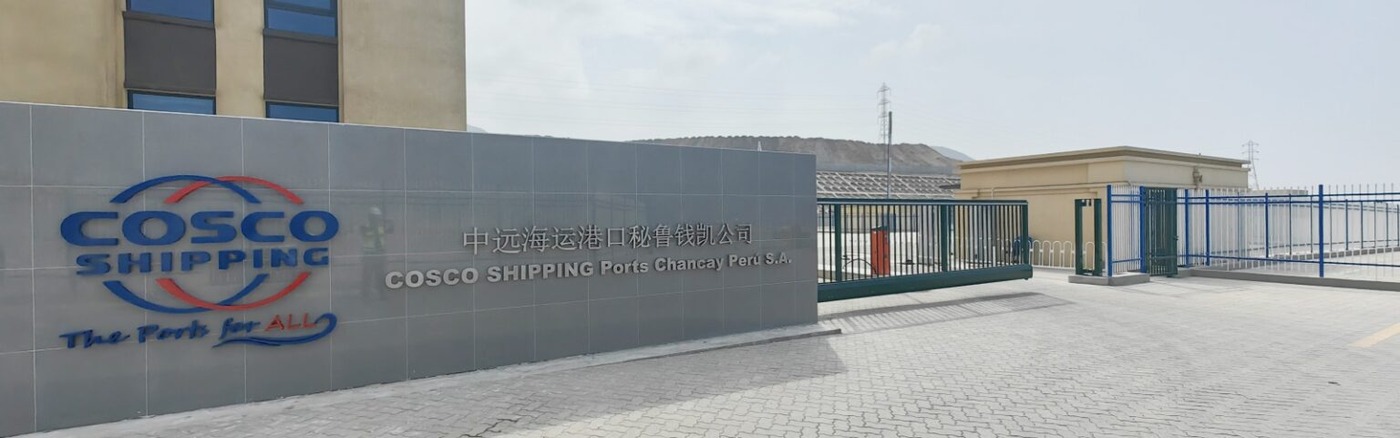
El proyecto utiliza tres principios principales: protección en capas para el perímetro exterior, separación clara dentro del puerto y control centralizado de acceso en los puntos de entrada y salida.
Diferentes zonas portuarias tienen diferentes necesidades para el movimiento peatonal, el movimiento del vehículo, la visibilidad, la adaptabilidad del terreno, la separación física y el rendimiento anti-clima. Por esta razón, el proyecto utiliza varios sistemas de esgrima en lugar de confiar en un solo tipo de valla.
El límite externo se centra en la cobertura continua y la adaptabilidad a las condiciones locales. Las zonas operacionales se centran en fronteras visibles claras. Las zonas internas se centran en la orientación del tráfico, la separación de los peatones y los vehículos y una imagen de gestión limpia. Las secciones de alto riesgo usan malla más fuerte, mayor protección y conexiones de cerca continuas para hacer que el cruce no autorizado sea más difícil.
1. Antecedentes del proyecto y objetivos de planificación del perímetro
El proyecto Chancay Port incluye áreas de operación de contenedores, largas fronteras externas, áreas de oficina y gestión, carreteras internas, puntos de entrada y salida, y importantes secciones de perímetro controlado.
Estas áreas no necesitan el mismo nivel de protección. Algunos lugares necesitan una separación física más fuerte, algunos necesitan buena visibilidad, algunos necesitan adaptarse a terrenos desiguales, y otros necesitan un mejor control peatonal y de vehículos. Por lo tanto, el plan perimetral general se elaboró según el nivel de función y riesgo de cada zona.
2. Visión general del sistema del perímetro de puerto
| Zona funcional | Solución del perímetro principal | Foto completa del proyecto | Propósito principal |
| Área de manipulación de contenedores | 3D Welded Mesh Fence | 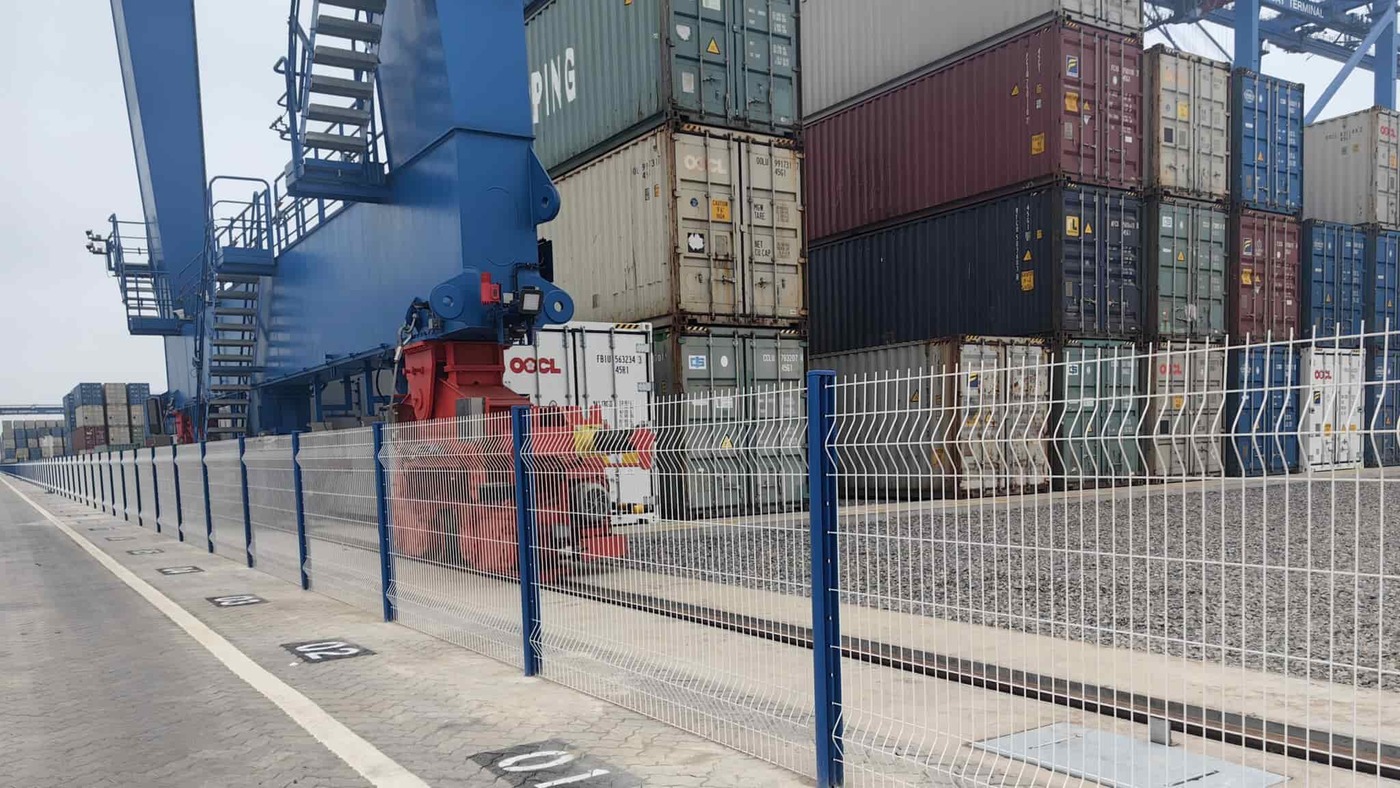 | Visibilidad clara, separación de la zona de trabajo y mejor orden del sitio |
| Long External Boundary | Enlace de cadena Fence | 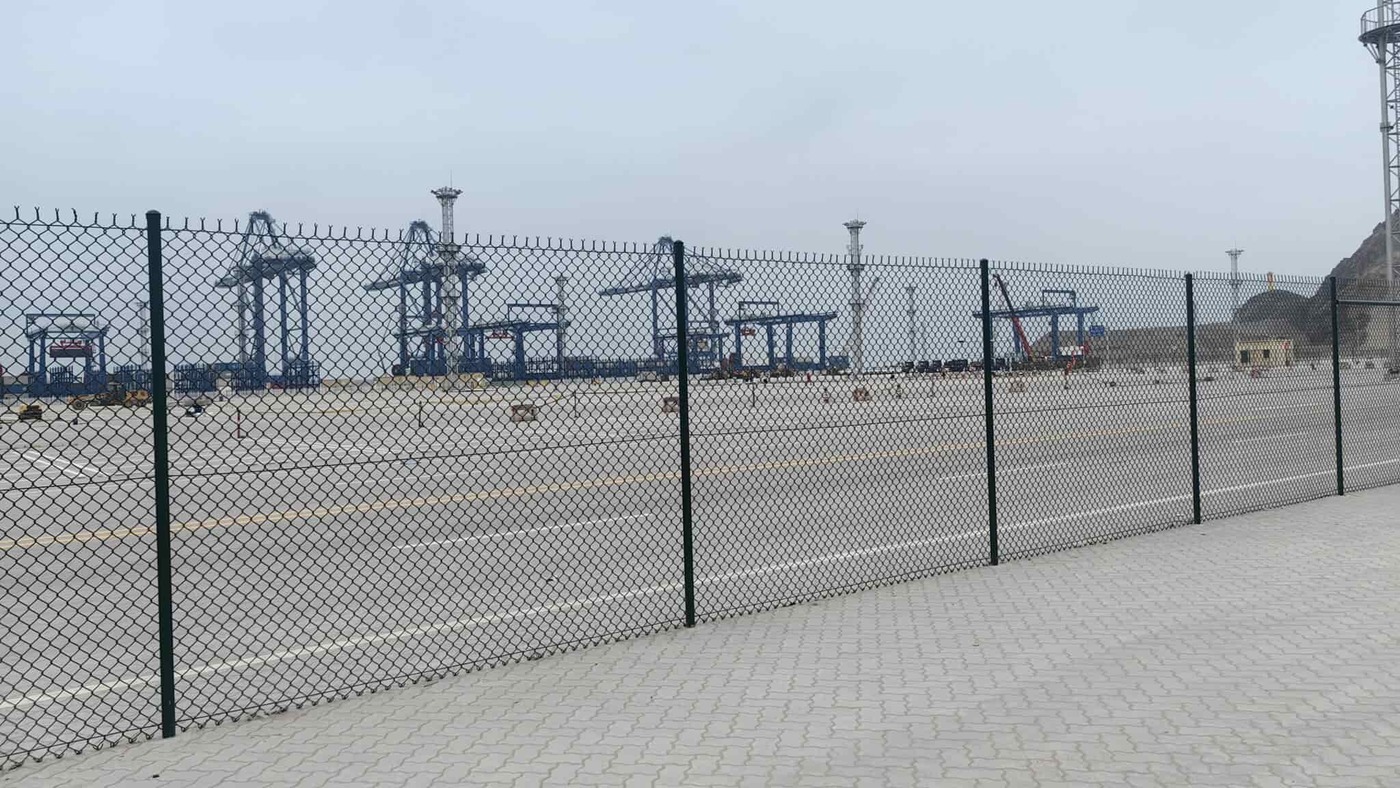 | Cierre continuo, adaptabilidad del terreno y protección básica del perímetro |
| Zona de oficinas y carreteras internas | Blue-and-White Steel Bar Fence | 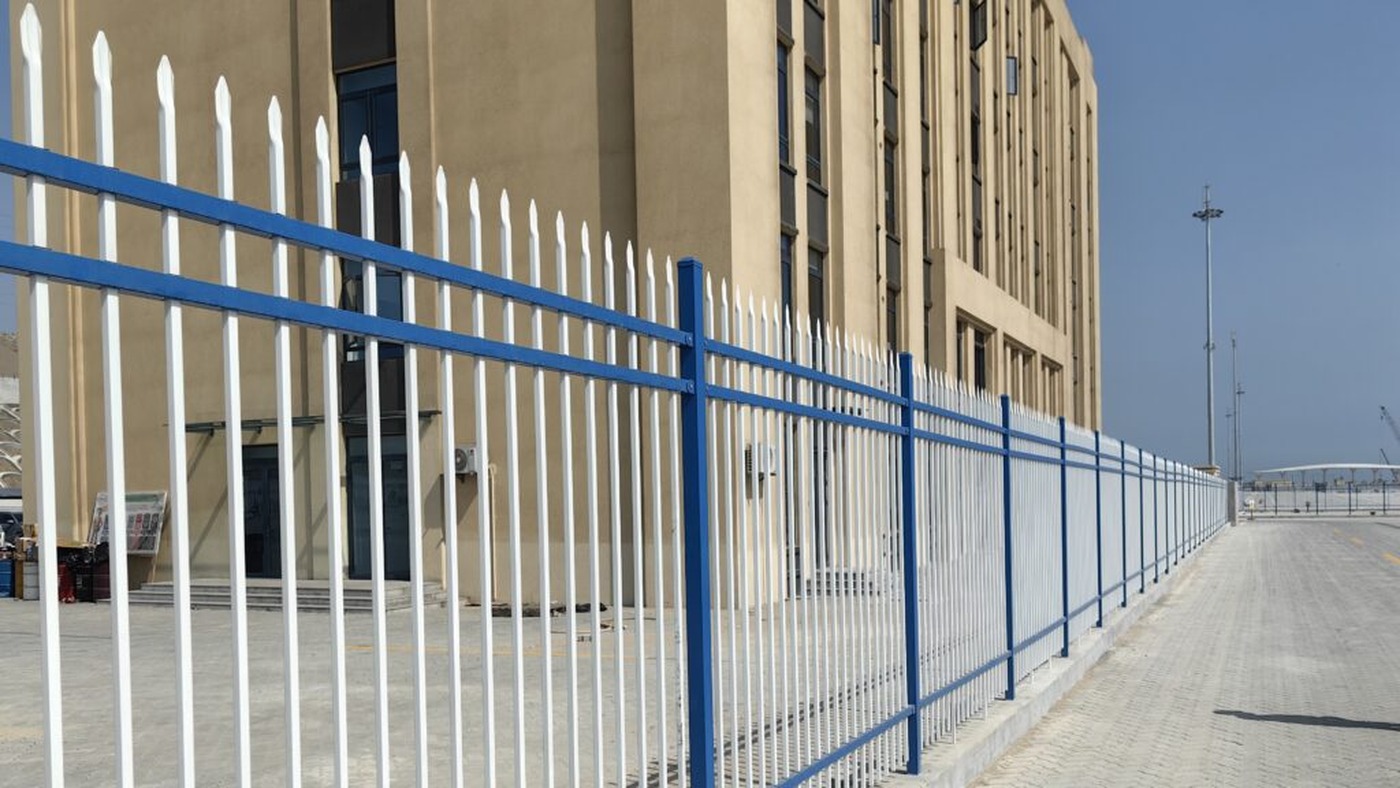 | Separación de peatones y vehículos, orientación visual y gestión interna |
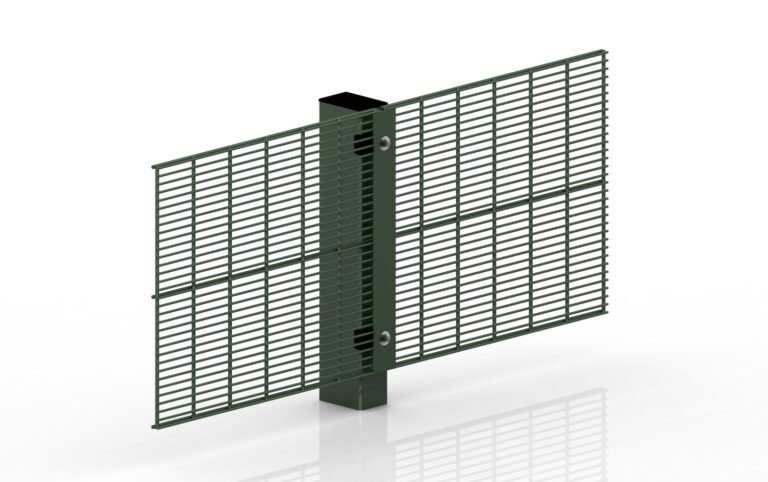
| Key Perimeter Sections | Fence de alta seguridad con mayor protección | 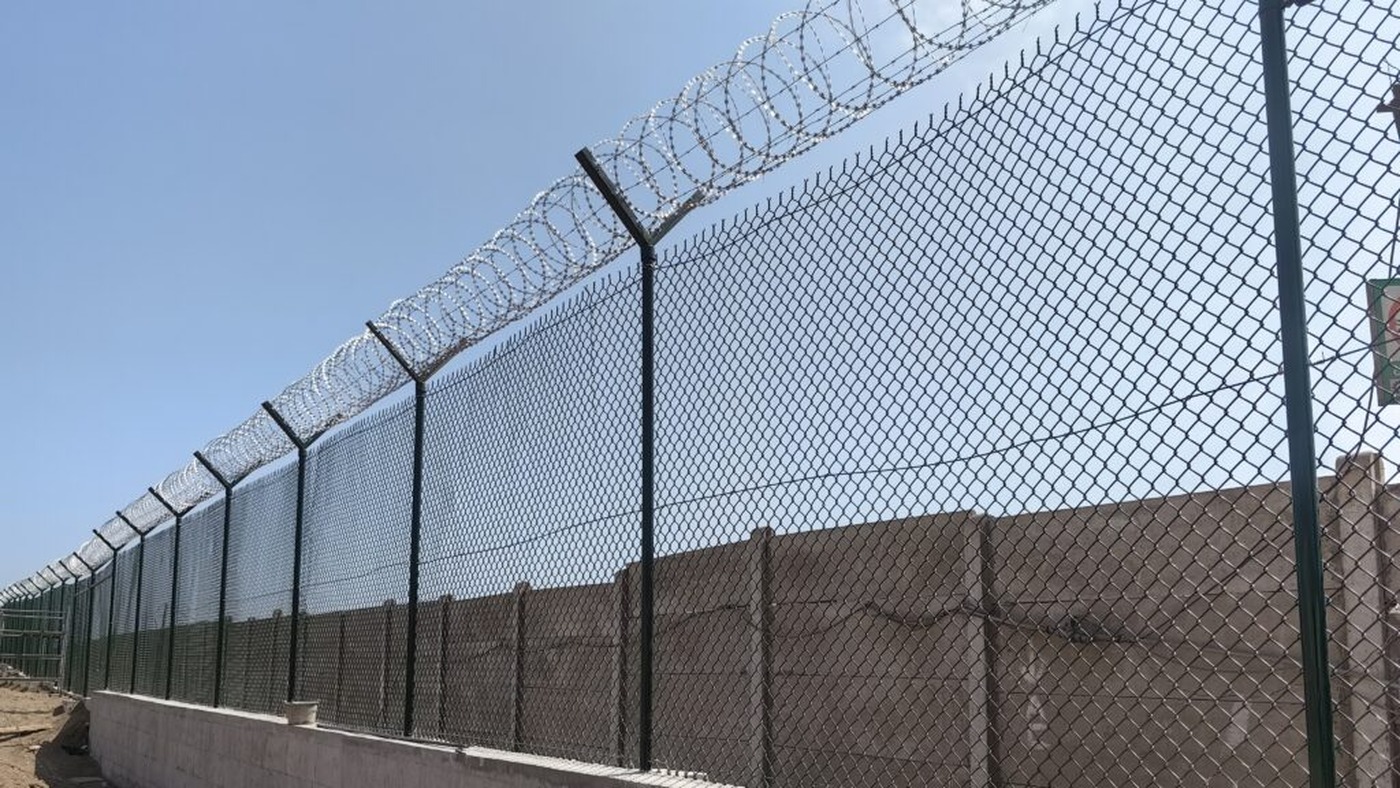 | Mayor resistencia a la escalada y mayor protección física |
| Puntos de entrada y salida | Puertas de vehículos, Puertas peatonales, Barreras y Interfaces de Control | 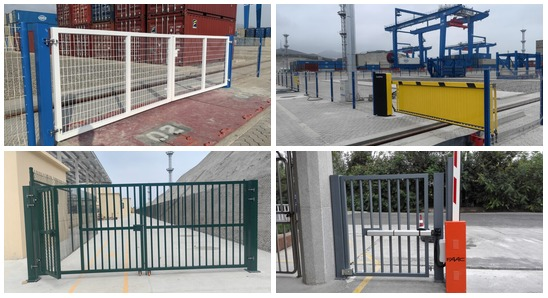 | Control de acceso y cierre continuo de línea de valla |
Nota: Las fotos en la tabla de visión general se completan las miniaturas de las fotos del proyecto. Están recortados a un tamaño consistente para que el sistema perímetro completo se pueda mostrar claramente en una tabla.
3. Área de manipulación de contenedores: Separación transparente con fuerza de malla soldada 3D
|
Los patios de contenedores y las zonas de carga tienen movimiento frecuente de equipos, vehículos y trabajadores. El objetivo principal de la esgrima en esta zona no es bloquear la vista completamente. Es definir claramente el área operacional manteniendo una buena visibilidad para el trabajo diario.
Puntos de configuración y aplicaciones
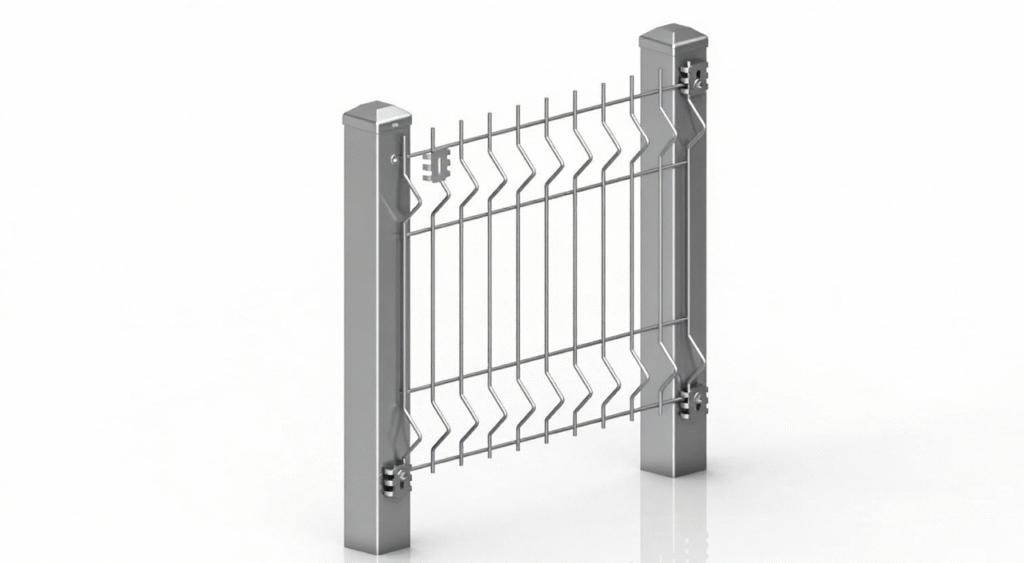
- Paneles de malla continuos y puestos dividen zonas de equipos, áreas de apilación de contenedores y carriles de vehículos, ayudando a mantener personal no relacionado fuera de la zona de trabajo.
- La estructura de malla soldada proporciona una buena visibilidad, permitiendo a los supervisores ver vehículos, contenedores y la actividad de equipo más fácilmente.
- Los paneles de valla modulares son adecuados para grandes zonas portuarias y diseños graduales. También facilitan la expansión futura, el mantenimiento y el reemplazo local.
Las fotos completas del proyecto muestran que la valla sigue siendo clara y fácil de identificar incluso cuando se instala junto a contenedores apilados, equipos de carga y carreteras internas. Esto satisface las necesidades prácticas de operaciones portuarias de alta frecuencia: visibilidad clara, separación clara y gestión más fácil.
4. Límite externo largo: Cadena Link Fence for Continuous Basic Closure
|
El límite exterior de un puerto se extiende a menudo a lo largo de caminos, áreas de trabajo, esquinas y condiciones cambiantes del suelo. El esgrima de eslabones de cadena es una solución práctica para la cobertura de larga distancia, límites irregulares y terrenos pendientes.
Puntos de configuración y aplicaciones
- La malla funciona continuamente y puede ser arreglada flexiblemente para largas distancias y límites irregulares del sitio.
- Los postes, alambre de tensión y los detalles de la fundación trabajan juntos para formar una línea perímetro estable.
- Dependiendo del nivel de riesgo, las interfaces de protección superior o monitoreo pueden añadirse más adelante como parte de un sistema perímetro mejorado.
5. Áreas de oficina y caminos internos: Bar de acero azul y blanco para la separación de tráfico
|
Los edificios de oficinas, las zonas de guardia, las carreteras internas y las instalaciones de apoyo necesitan más que la separación física básica. También necesitan una orientación visual clara y una imagen de gestión organizada.
Puntos de configuración y aplicaciones
- Se utiliza alrededor de las zonas de oficina, las zonas de separación de carreteras y las zonas peatonales para crear límites internos reconocibles.
- La combinación de color azul y blanco mejora la visibilidad y ayuda a las personas a identificar rápidamente carriles de tráfico, áreas restringidas y zonas de gestión.
- La valla se puede organizar junto con puertas peatonales, portones de vehículos y puntos de guardia para apoyar el movimiento controlado dentro del puerto.
6. Sección de Perímetro clave: Fence de alta seguridad con la protección superior agregada
|
Las secciones fronterizas cercanas a las carreteras públicas, entornos externos complejos o zonas de mayor riesgo necesitan un nivel más fuerte de protección física. En estas áreas, el proyecto utiliza la malla continua con mayor protección para hacer más difícil la escalada y el cruce no autorizado.
Puntos de configuración y aplicaciones
- Las líneas de cerca más altas, la malla continua y la protección superior mejoran el rendimiento de barrera física de importantes secciones del perímetro.
- La valla se puede coordinar con iluminación, CCTV, alarmas, control de acceso y otros sistemas de gestión del perímetro.
- El nivel de riesgo real, las condiciones del sitio y las regulaciones locales deben seleccionar el nivel de riesgo real, la estructura superior y la protección de la corrosión.
Nota: La foto completa del proyecto muestra una cerca de alta seguridad con mayor protección. Se describe de acuerdo con la estructura instalada real en lugar de ser presentado como un modelo de producto fijo.
7. Sistema de entrada y salida: Nodos clave para el control de cierre y acceso del perímetro
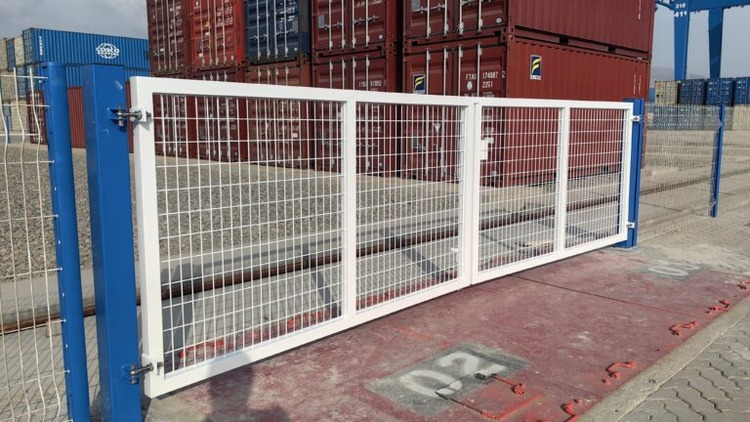
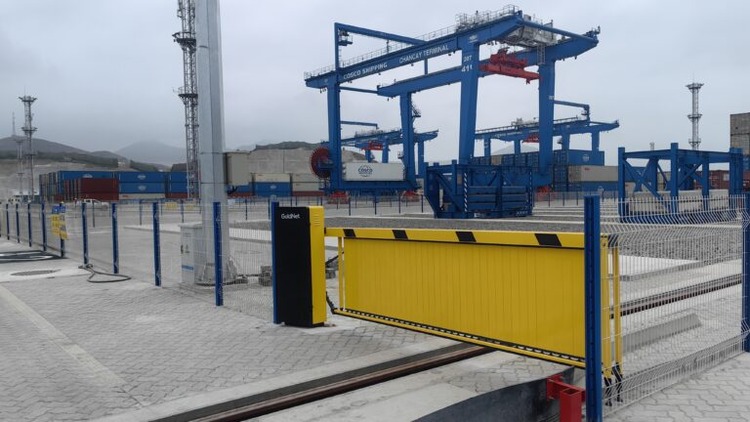
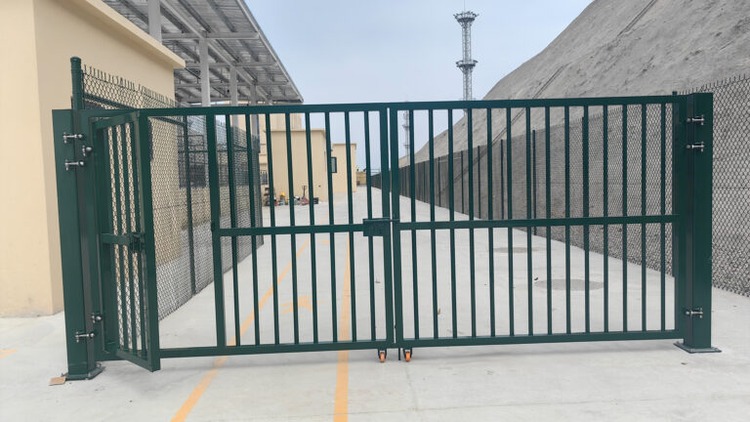
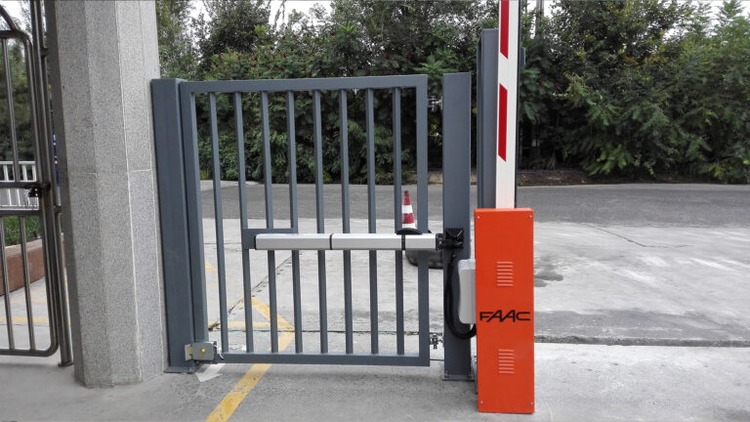
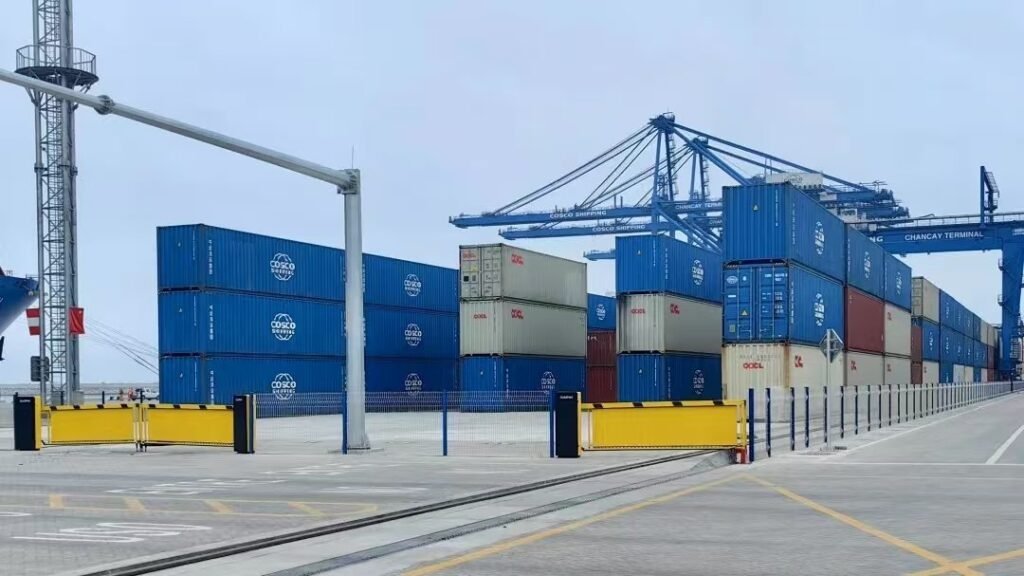
Los puntos de entrada y salida son puntos de control clave en el sistema perímetro completo. El acceso al vehículo y el acceso peatonal deben organizarse por separado, mientras que el sistema de puertas debe conectarse continuamente con la línea de cerca circundante. Tipo de puerta, anchura de apertura clara, método de apertura, fundaciones y interfaces de control deben revisarse junto con condiciones de carretera, estaciones de guardia y requisitos de acceso de emergencia.
|
|
|
|
Puntos de control de diseño y construcción
- Las puertas de vehículos, las puertas peatonales y los anchos de acceso de emergencia deben seleccionarse según vehículos pesados, tráfico normal, movimiento de personal y requisitos de emergencia.
- Entradas de puerta, puestos adyacentes y detalles de cierre deben seguir la misma línea, elevación y altura de protección para evitar puntos débiles después de que la puerta esté cerrada.
- Los puestos de puerta, las barreras y el equipo de control de acceso deben tener bases independientes. Los conductos de cable, el drenaje, la colocación y la protección antiimpacto deben ser considerados durante la instalación.
- Las puertas y barreras eléctricas deben incluir control de límites, protección de obstáculos, liberación manual y operación de emergencia durante la falla de energía.
8. Proceso de instalación y control de calidad
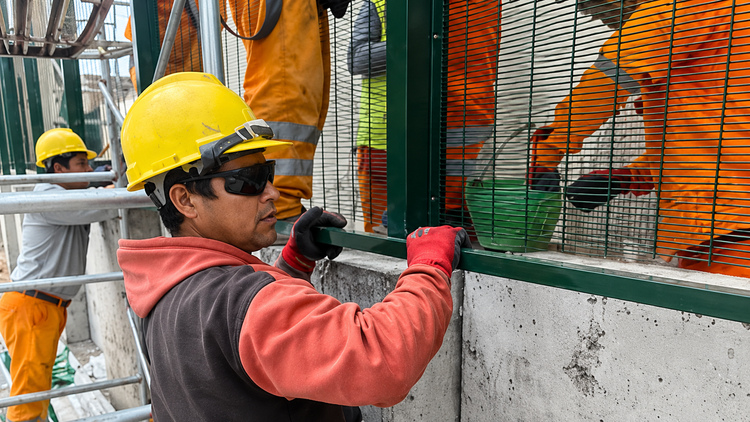
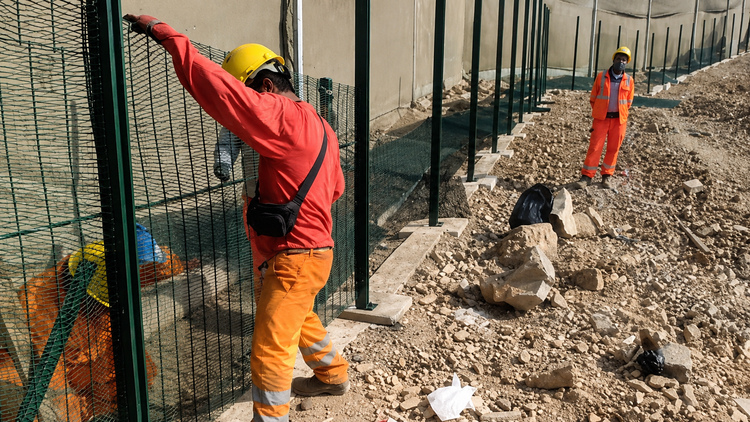
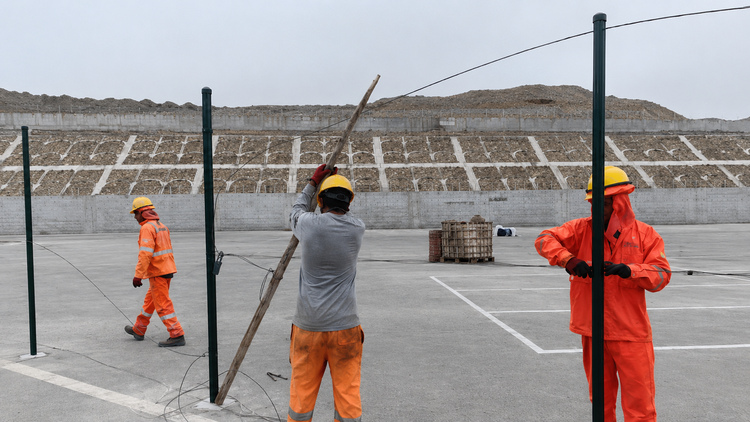
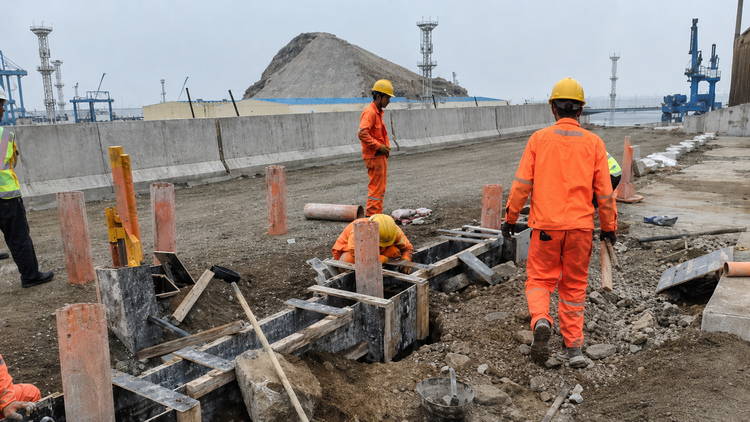
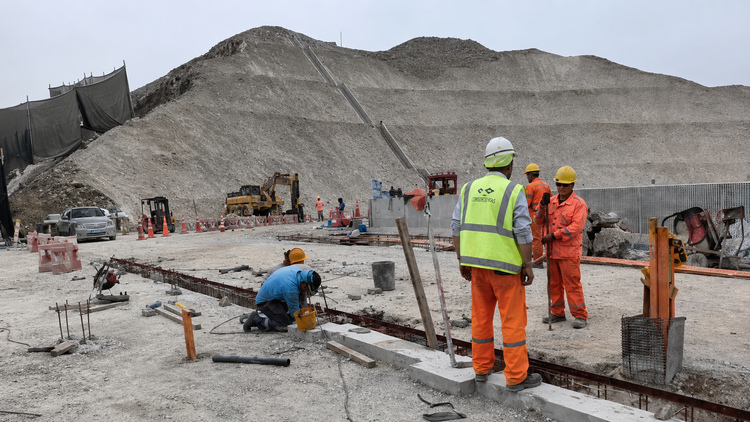
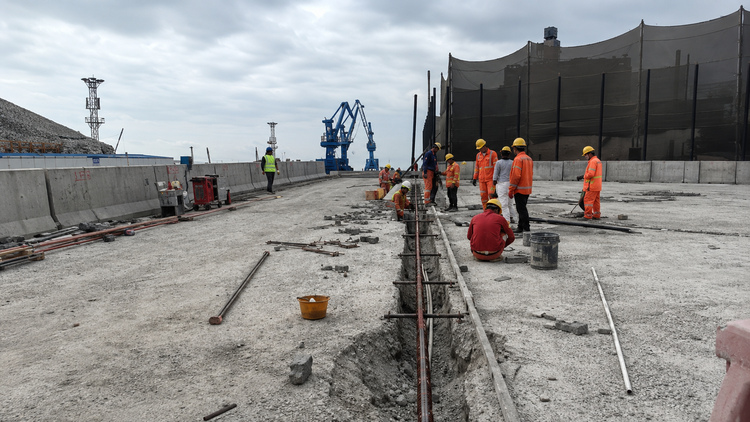
La instalación de Fence sigue una secuencia de ingeniería práctica: medición y puesta en marcha del sitio, trabajo de fundición y posicionamiento de piezas incrustadas, instalación de postes y alineación, montaje de malla y puerta, fijación de conexiones, reparación de corrosión, inspección, pruebas y aceptación final. El trabajo debe coordinarse con carreteras, drenaje, servicios subterráneos, puntos de guardia y operaciones portuarias.
|
|
|
|
|
|
Puntos de control de calidad
- La alineación de Fence, el espaciamiento posterior, las aberturas claras de la puerta y los detalles de la esquina deben ser revisados contra las líneas de control de la maestría para que la línea de la valla siga continuando y cumpla con las autorizaciones de carretera y movimiento.
- La elevación, posición y verticalidad post deben revisarse en etapas. Los paneles de malla, las puertas y el equipo conexo sólo deben instalarse después de que la fundación alcance la fuerza necesaria.
- La tensión de malla, la rigidez del sujetador, la alineación posterior y la reparación de la corrosión en las zonas soldadas o cortadas deben revisarse cuidadosamente para evitar la malla suelta, los componentes desplazados y los revestimientos dañados.
9. Valor de la solución del proyecto
| Valor de la solución | Cómo se refleja en el proyecto |
| Protección a capas | Se utilizan diferentes sistemas de perímetro para diferentes niveles de riesgo y condiciones de límites, en lugar de aplicar un tipo de valla a todo el proyecto. |
| Coincidencia funcional | La visibilidad operacional, la cobertura externa, la orientación interna y la protección de alta seguridad se manejan por separado para mejorar la organización portuaria. |
| Project Deliverability | Altura de Fence, tipo de malla, sistema de correos, recubrimiento, tamaño de apertura de puertas y interfaces de control de acceso pueden configurarse según los requisitos del proyecto. |
| Operación a largo plazo | El sistema de vallas y puertas perimetral crea una base práctica para el futuro flujo de personal, movimiento de vehículos, gestión de zonas y operación de seguridad portuaria. |
10. COMMAND Premium Fence Design, Manufacturing, and Project Support
COMMAND se centra en el diseño, fabricación y soporte de proyectos diseñados para sistemas de esgrima premium. Servimos puertos, parques logísticos, instalaciones industriales, almacenes, sitios de energía y proyectos de infraestructura donde la seguridad, durabilidad y consistencia de entrega importan.
Un sistema perímetro no es simplemente una compra de productos. Debe planificarse como una solución completa alrededor del nivel de riesgo, las condiciones del sitio, las rutas de movimiento, los requisitos de acceso y el mantenimiento futuro.
- Solution Design: Basado en el diseño del sitio, zonas funcionales, riesgo perímetro, organización de carreteras y requisitos de acceso, ofrecemos recomendaciones prácticas para tipos de cerca, alturas, aberturas de malla, sistemas de correos, puertas y puntos de control.
- Configuración de fabricación: Estructura de malla, sección de postes, accesorios, tratamiento superficial, identificación de color y protección superior agregada se pueden configurar para que coincida con el nivel de protección y las condiciones de ingeniería de cada área.
- Soporte de entrega: Ofrecemos listas de productos, sugerencias de embalaje y carga de contenedores, guía de instalación, detalles de conexión y soporte de proyectos de exportación para ayudar a mantener alineado el diseño, el suministro y la instalación in situ.
Proposición de valor de marca COMMAND
|
|
|
|
Este estudio de caso utiliza fotos de proyecto completas para mostrar el resultado real entregado de un sistema perímetro de puerto. COMMAND proporciona protección física continua y capa para fronteras externas, zonas de trabajo, áreas de gestión interna, secciones clave del perímetro y puntos de acceso a través del diseño, fabricación y soporte basado en proyectos.




Responder