
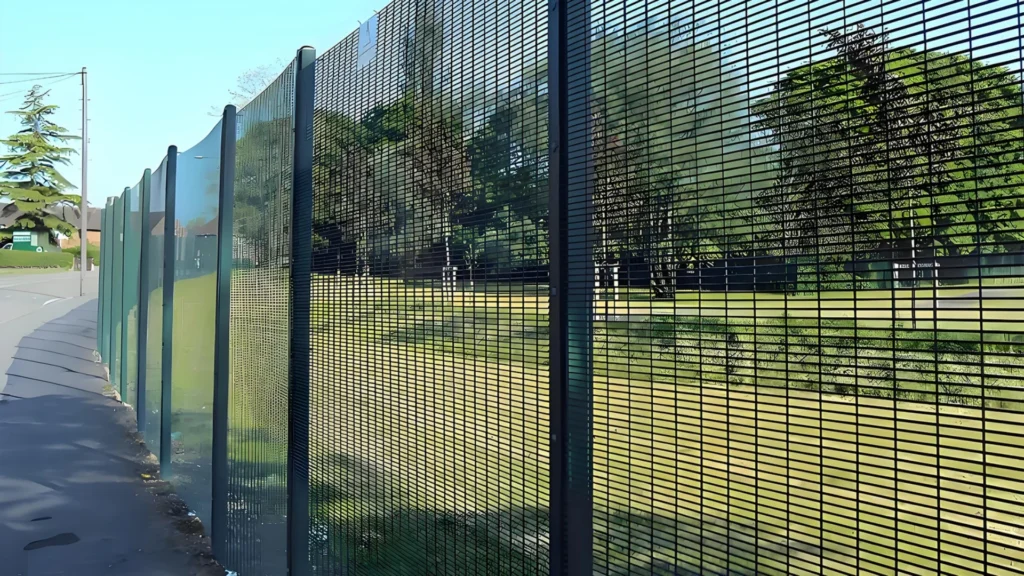
Define the package.Close the construction interfaces.
Coordinate the fence package with the BOQ, approved drawings, civil works and delivery sequence. Clarify who supplies and installs each element before procurement.
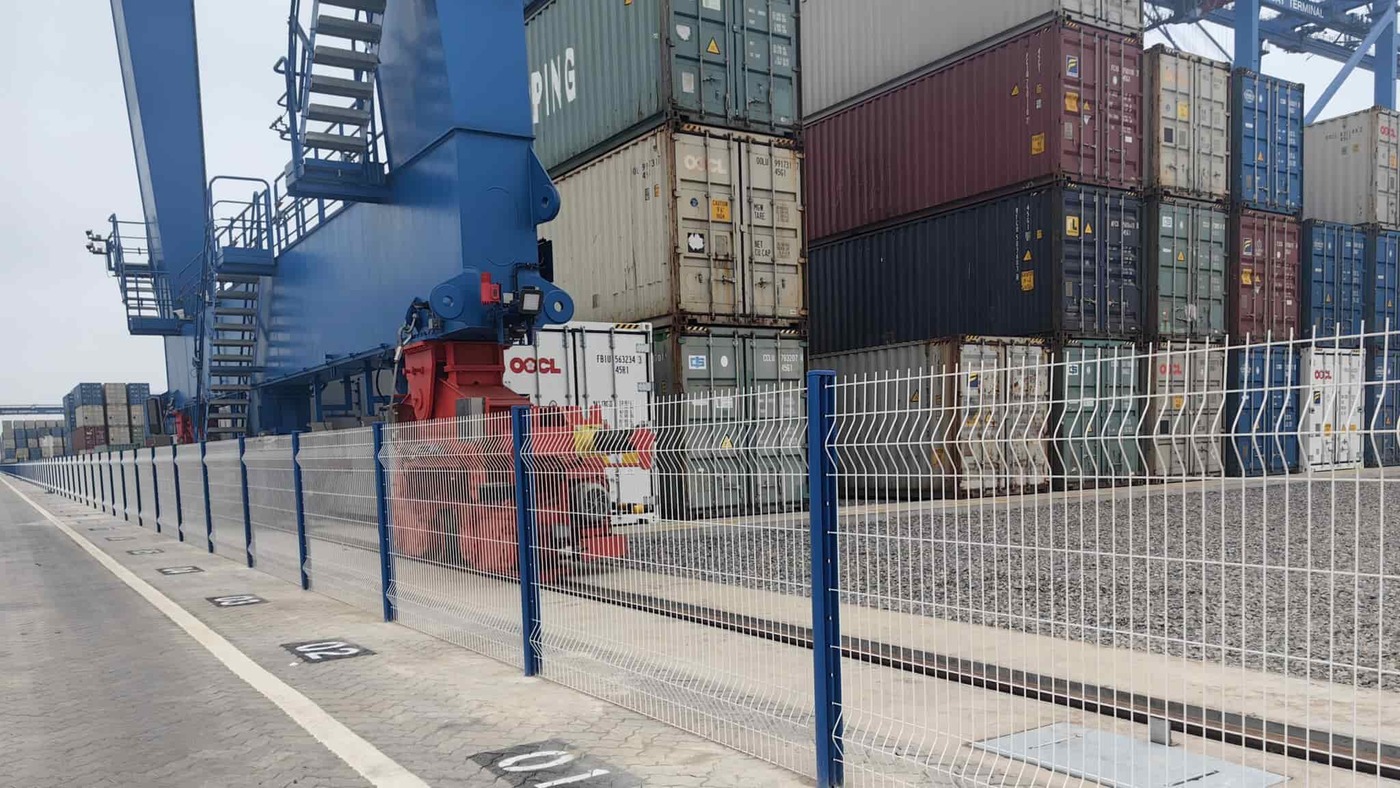
Resolve the engineering questions first
Use the actual layout, operating conditions and installation interfaces to define the complete fence system.
BOQ & measurement
Separate fence types, heights, gates and accessories. State whether quantities are metres, panels, rolls, sets or pieces and how openings are deducted.
Civil-work interfaces
Identify responsibility for foundation design, concrete work, anchors, embedded items and gate posts. Coordinate roads, drainage and walls.
Document discrepancies
Reconcile drawing revisions, technical specifications and quantities. Record unresolved differences before confirming the production scope.
Submittals & phases
List required drawings, samples and inspection records. Match approved configurations to zone labels, packing groups and delivery stages.
Compare products against the resolved requirements
These are starting points for selection. Review the actual configuration, supporting components and interfaces before confirming a product.
| Product | Relevant Use | Review Together |
|---|---|---|
| 3DT Metal Fence Mesh → | General operational and perimeter zones | Quantities by zone and compatible post arrangements |
| 2DG Metal Fence Mesh → | Rigid boundaries and defined operating areas | Panel and connection schedules |
| 358G 2D Metal Fence Mesh → | Higher-security sections | Technical specification, fixings and top details if required |
| DSG Double Panel Side-hung Swing Gate → | Service and vehicle openings | Gate schedule, posts and adjoining fence interfaces |
Confirm dimensions, component quantities, coating and drawing revisions. A product name alone does not define the complete supply or establish project compliance.
From site information to an agreed supply schedule
Close the technical questions and confirm the document revision before releasing the supply schedule.
Submit current documents
Provide the BOQ, drawings, specifications and programme.
Close the clarification list
Resolve quantity differences, technical queries and trade interfaces.
Approve the supply schedule
Confirm component scope, drawing revisions and required review records.
Coordinate staged dispatch
Align package identification and delivery sequence with accepted project information.
Explore the details behind the decision.
Selected articles and applications related to your cooperation needs.
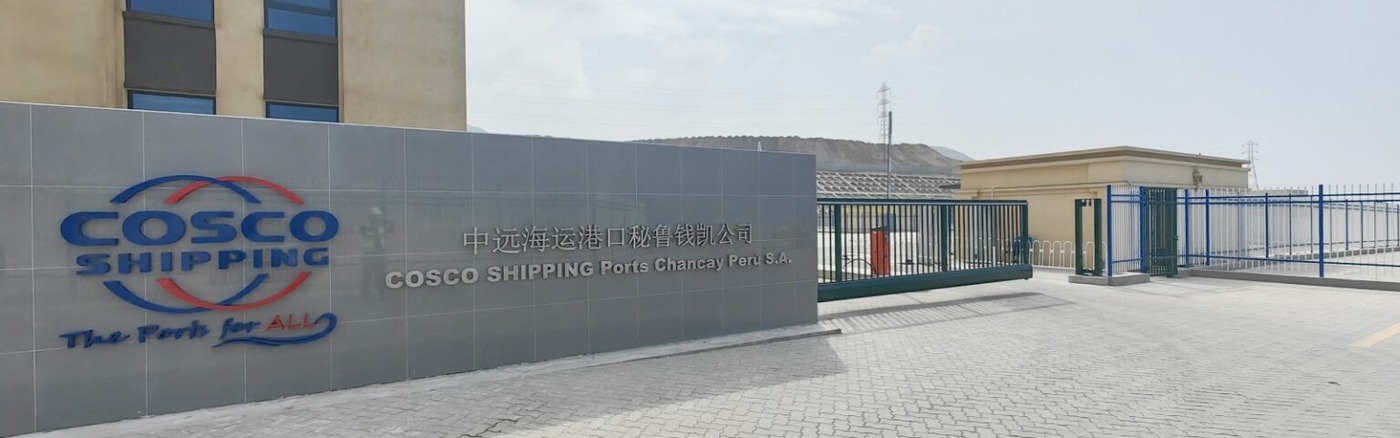
Coordinating a Port Perimeter
A project using different fencing systems for multiple zones, roads and access points.
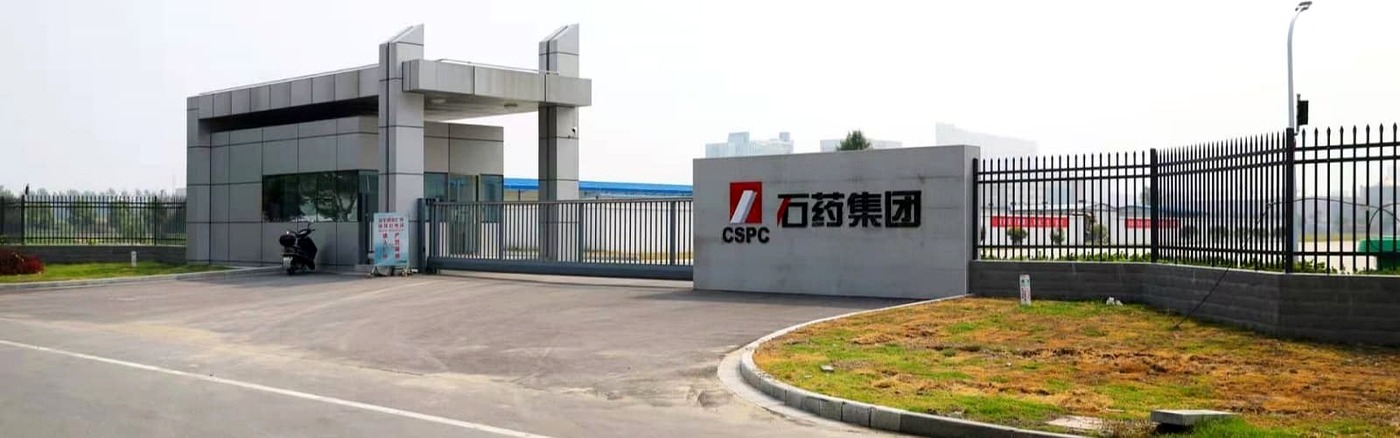
Site-Specific Factory Fencing
An example of coordinating the boundary with actual site conditions and custom requirements.
A useful starting point.
Send the current site information and identify what remains open. We can then review the configuration, component scope and interfaces.
- BOQ, measurement rules and current specifications
- Drawings and latest revision references
- Supply, civil-work, installation and unloading responsibilities
- Submittal list, inspection points and delivery stages
Discuss Your Fence Package
Contact Command Fencing with your requirements to discuss the appropriate products and supply scope.
Before we start.
How does this differ from installer support?
This review focuses on procurement, document approvals, trade interfaces and programme. Installer coordination focuses more closely on measured layouts and assembly details.
Are foundations and installation included in the quote?
They must be stated explicitly. A material quotation does not automatically include civil works or site installation.
Can manufacturing start before all drawings are complete?
Identify which information is approved and which remains open, then agree the scope that can proceed without unresolved interfaces.

