
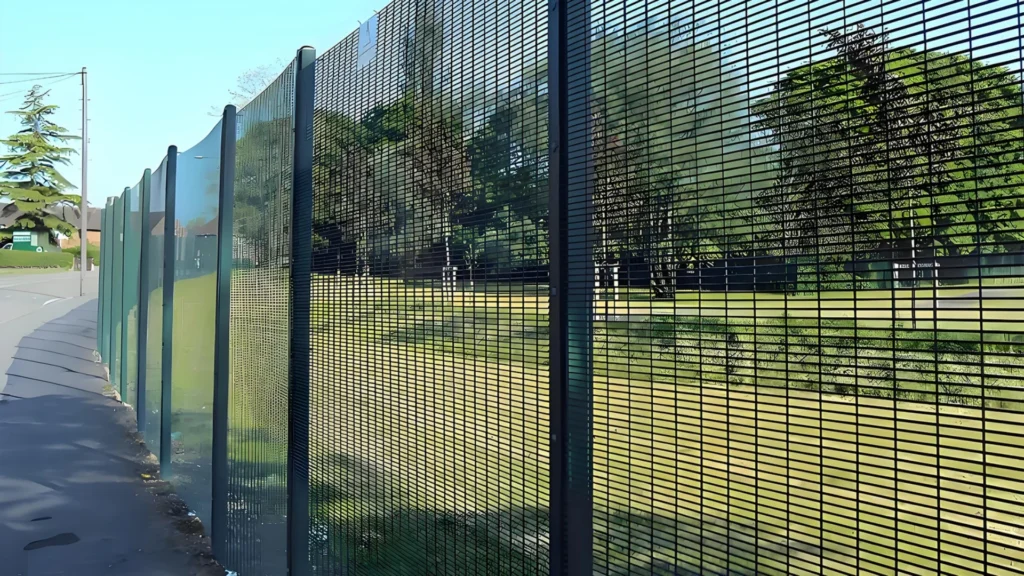
Specify the use.Make the requirements verifiable.
Separate public-contact areas from controlled equipment zones. Define the fence configuration and required procurement information around the users, access arrangements and project documents.
Resolve the engineering questions first
Use the actual layout, operating conditions and installation interfaces to define the complete fence system.
Users & contact areas
Identify schools, play areas, public paths and equipment zones. Review apertures, bottom clearance, exposed parts and maintenance access for the intended use.
Measurable procurement
Specify height, apertures, wire sizes, posts, connections and finish. Replace vague terms such as heavy duty with defined requirements.
Access & operation
Coordinate pedestrian and vehicle gates, opening movement and maintenance routes with the site plan. Identify the applicable project requirements.
Acceptance & maintenance
List required samples, product data and checks. Record replacement-panel and fitting details for future repairs or extensions.
Compare products against the resolved requirements
These are starting points for selection. Review the actual configuration, supporting components and interfaces before confirming a product.
| Product | Relevant Use | Review Together |
|---|---|---|
| 2DG Metal Fence Mesh → | School and public-facility boundaries | Rigid panels, visibility and connection details |
| 3DT Metal Fence Mesh → | Parks and general separation | Ground levels, landscape coordination and finish |
| FR Square Tube Fence → | Public-facing architectural areas | Appearance, openings and entrance interfaces |
| 358G 2D Metal Fence Mesh → | Restricted equipment or security zones | Small-aperture mesh and perimeter continuity |
Confirm dimensions, component quantities, coating and drawing revisions. A product name alone does not define the complete supply or establish project compliance.
From site information to an agreed supply schedule
Close the technical questions and confirm the document revision before releasing the supply schedule.
Define users & zones
Provide facility use, procurement stage and the project requirements.
Create the product schedule
Identify configurations, quantities and gate openings by zone.
Review required information
Check drawings, samples and supporting records against the procurement list.
Confirm responsibilities
Separate supply, installation, acceptance and maintenance information.
Explore the details behind the decision.
Selected articles and applications related to your cooperation needs.
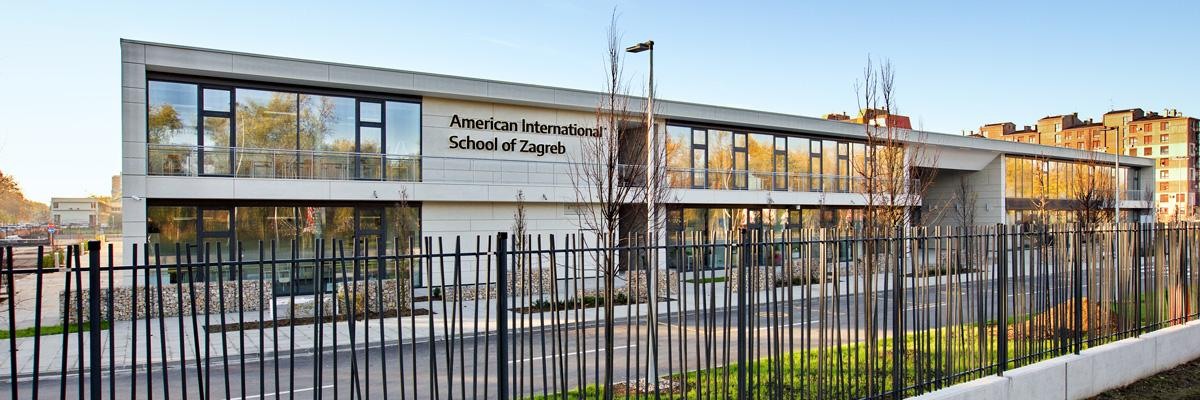
Schools, Parks & Public Use
A guide to balancing safe boundaries, visibility, site levels and activity-specific fence choices.
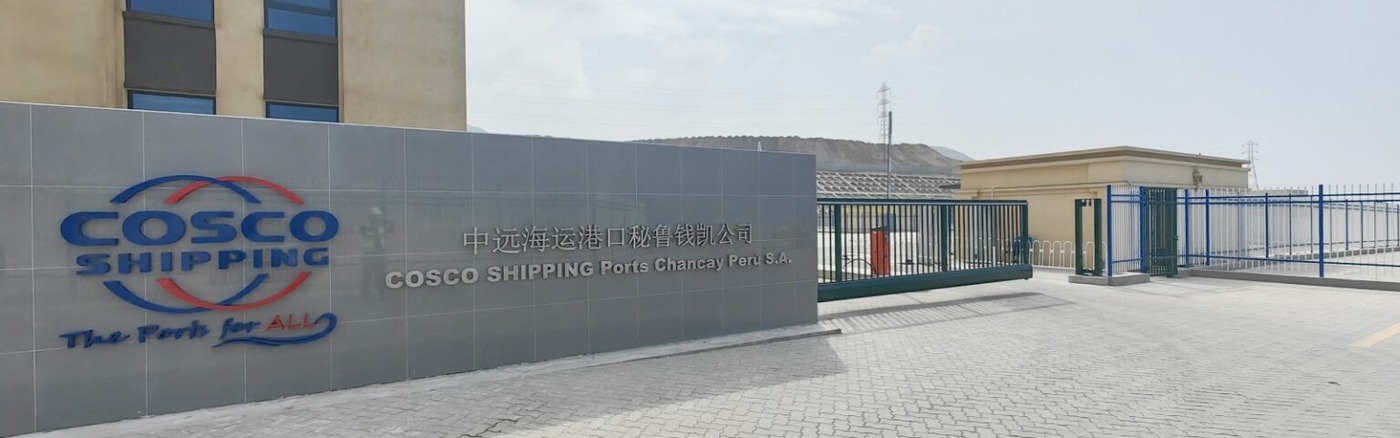
Transport Infrastructure Zoning
A port project illustrating different fence configurations across operational areas and entrances.
A useful starting point.
Send the current site information and identify what remains open. We can then review the configuration, component scope and interfaces.
- Facility, location, users and site zones
- Procurement specification and required document list
- Layout, dimensions, quantities and gate positions
- Sample, inspection, delivery and maintenance requirements
Discuss Your Public Project
Contact Command Fencing with your requirements to discuss the appropriate products and supply scope.
Before we start.
Can one general specification cover the entire site?
Check the zones separately. Public-use boundaries and restricted equipment areas can have different requirements and should be coordinated at their interfaces.
Does a product name establish compliance?
No. Compare the actual configuration and supporting information with the stated project requirements.
What should accompany the first enquiry?
Start with the procurement specification, site layout, quantities and required document list so missing information can be identified.

