
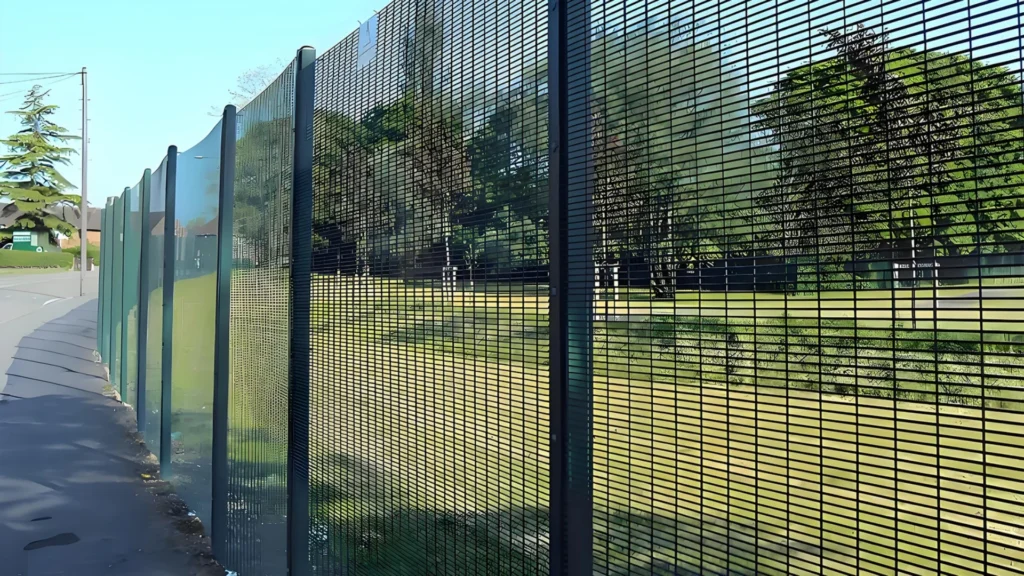
Stronger Boundaries.A Complete Perimeter Approach.
Plan high-security fencing as a coordinated system of mesh panels, posts, connections and controlled entrances. Match each component to site risks, operating requirements and exposure conditions.

Protection by Boundary & Use Area
Select fencing, entrances and supplementary barriers around the project security requirements and actual site layout.
Controlled Perimeter Boundaries
Coordinate small-aperture mesh, posts, fixings and specified top protection into a continuous boundary. Review ground-level gaps, corners and entrance interfaces.
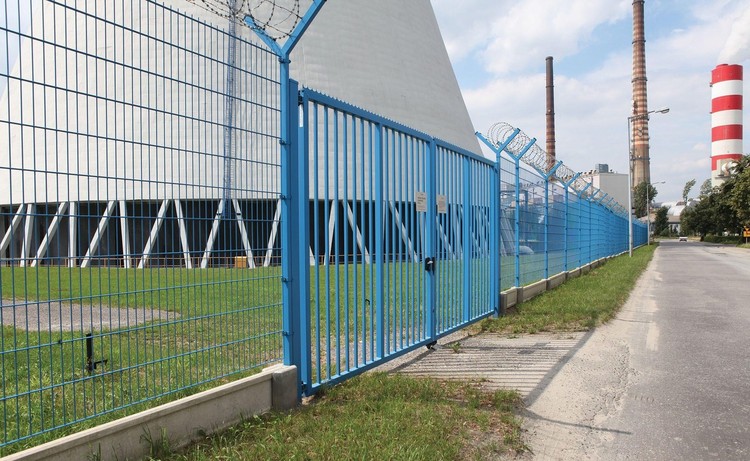
Critical Energy Facilities
Plan restricted boundaries around energy infrastructure, including inspection roads, equipment areas and maintenance access.
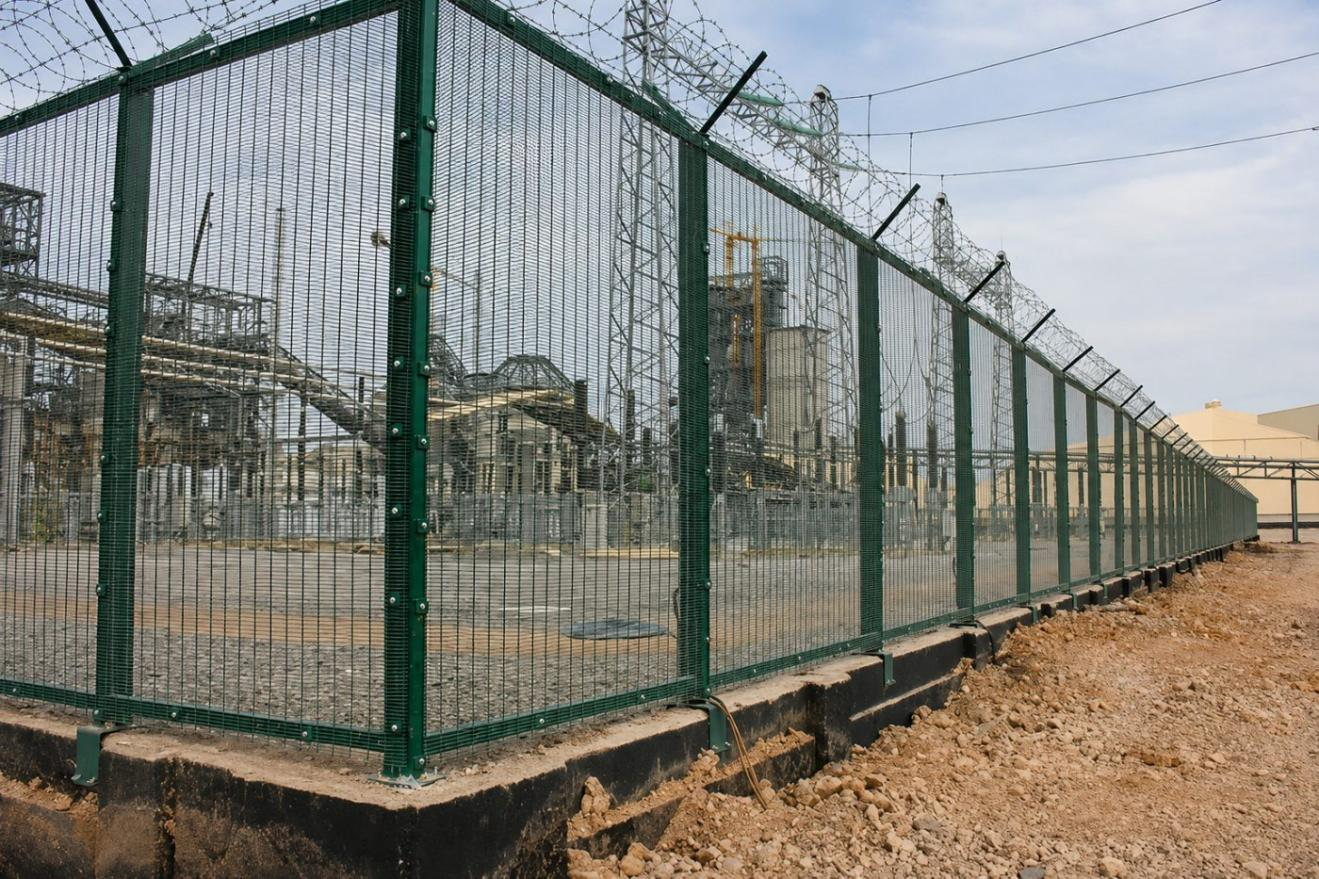
Oil, Gas & Petrochemical Sites
Match the perimeter system to the security specification, exposure and site layout. Check the complete fence line rather than the panel alone.

Supplementary Barrier Areas
Filled mesh barriers can form a separate part of a site layout. Confirm their role, position and access clearances within the overall protection plan.
Recommended Fence Systems
Review small-aperture fencing and entrance products from our current range. Select the configuration against the project requirements.
| Product | Typical Use Area | Planning Focus |
|---|---|---|
| 358G 2D Metal Fence Mesh → | Controlled perimeters and restricted equipment zones | Small-aperture mesh, posts and connection details |
| 358F 2D Metal Fence Mesh → | Project-specified high-security fence lines | Panel and post selection, fixings and ground levels |
| 358G 3D Metal Fence Mesh → | Restricted boundaries requiring profiled small-aperture panels | Mesh geometry, posts and surface treatment |
| FHT Full Height Turnstile → | Controlled pedestrian entry points | Passage layout, emergency access and project interfaces |
| ACG Heavy Duty Anti-collision Gate → | Project-specified controlled vehicle entrances | Opening size, gate structure, clearances and documented project requirements |
Review the whole system: fence height, mesh, top protection, posts, connections, foundations and entrances all influence the final perimeter arrangement.
Planning a High-Security Perimeter
Explore relevant articles on energy infrastructure, 358 fencing and structural design.
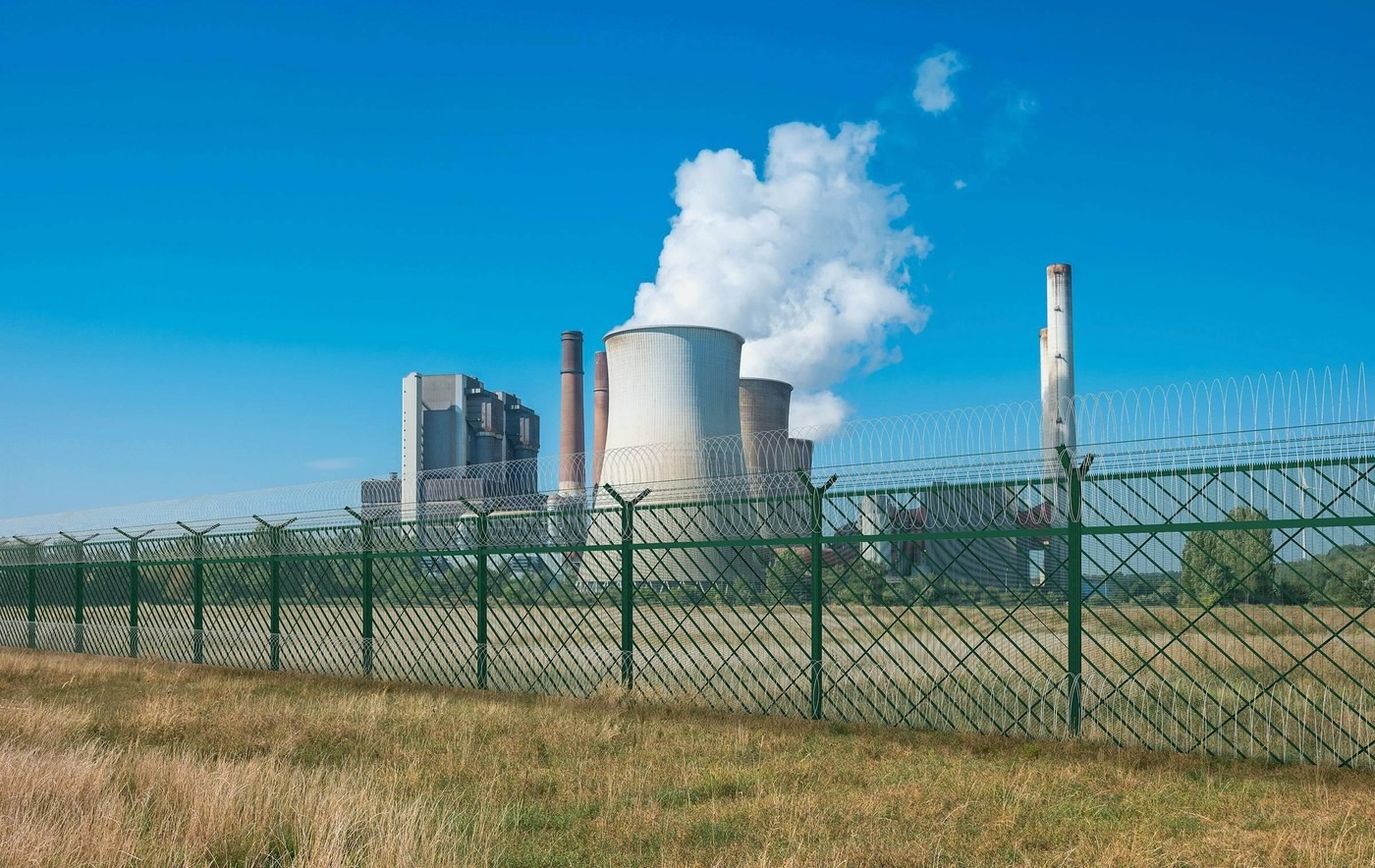
Nuclear & Energy Infrastructure
Planning guidance on coordinating fencing with roads, entrances and ongoing site operations.
- Continuous protective boundaries
- Mesh, posts and connections
- Inspection and maintenance planning
358 Fencing for Oil & Gas Sites
A guide to developing a fence package for petrochemical and energy projects, from specification to fabrication.
- Small-aperture mesh selection
- Coating and exposure requirements
- Technical review and production details
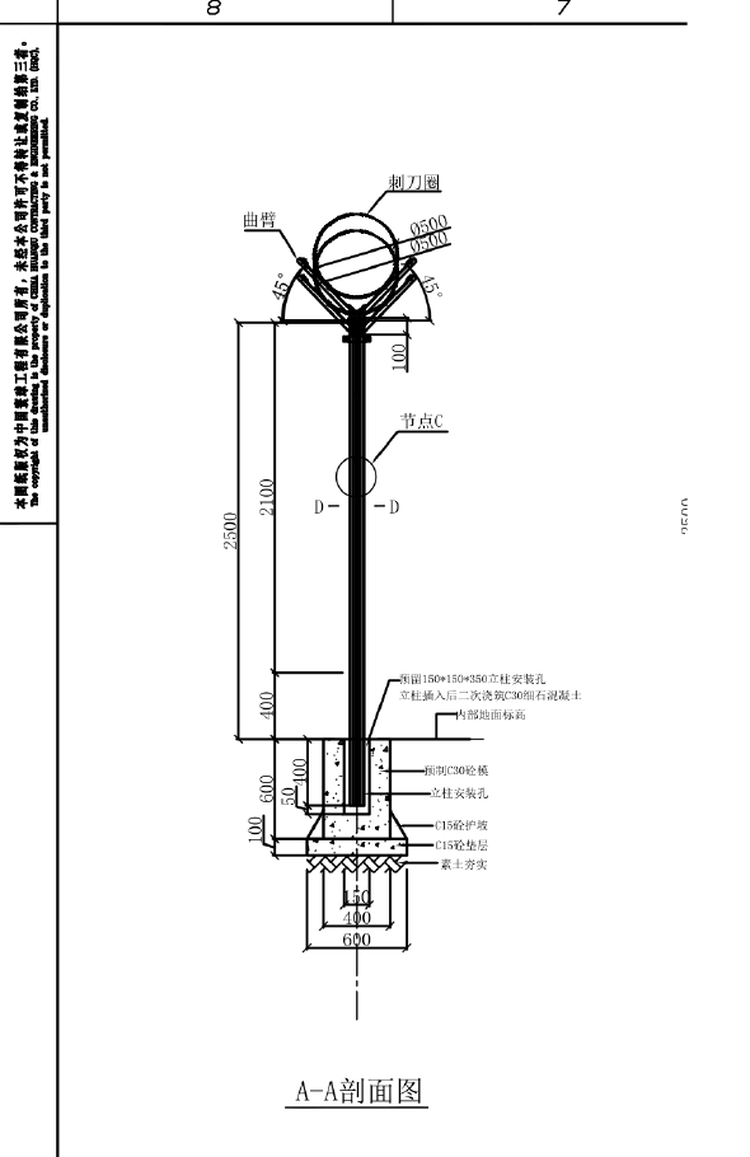
High-Security Fence Wind-Load Design
A project-specific engineering case examining how loads pass through mesh, top assemblies, posts and foundations.
- Complete load path
- Post strength and deflection
- Connection and footing checks
From Security Requirements to Fence Supply
Define the Boundary Risk
Identify the purpose of each restricted zone and the required physical separation.
Review Perimeter Continuity
Check ground gaps, corners, changes in level and junctions between fencing and gates.
Consider Structural Loads
Review mesh, top assemblies, posts, connections and foundations together.
Specify Corrosion Protection
Coordinate coatings, weld details and fixings with the actual exposure.
Plan Controlled Entrances
Confirm pedestrian and vehicle openings, inspection access and emergency routes.
Coordinate the Supply Package
Provide drawings, quantities, finishes and component requirements for technical review.
Planning a high-security perimeter?
Send the site layout, required height, security specification, quantities and finish requirements. We can help review product selection and prepare a fence supply proposal.

