
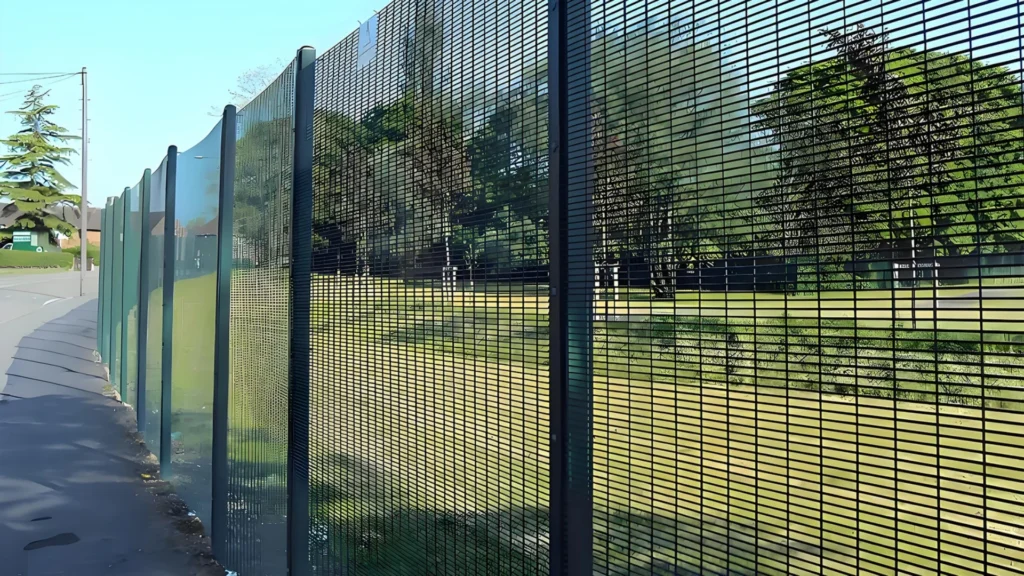
AI-Driven Energy Infrastructure Upgrades: Why Nuclear Power Projects Need High-Security Metal Fencing
High Security Fence Solutions for Energy, Industrial and Infrastructure Projects
As artificial intelligence develops rapidly, global electricity demand continues to rise. The expansion of AI data centers and digital industries is prompting more countries to re-examine the need for stable, reliable and scalable energy supply, creating renewed momentum for nuclear power development.
As nuclear projects expand and energy infrastructure is upgraded, demand for high-security perimeter protection is also increasing. For nuclear power plants, energy bases and large industrial facilities, fencing is not an isolated component. It forms part of the complete perimeter-security system and must coordinate with access points, roads, surveillance systems and site operation and maintenance requirements. The metal fence itself must also provide anti-climb and anti-intrusion performance, corrosion resistance, structural stability and long-term maintainability.
|
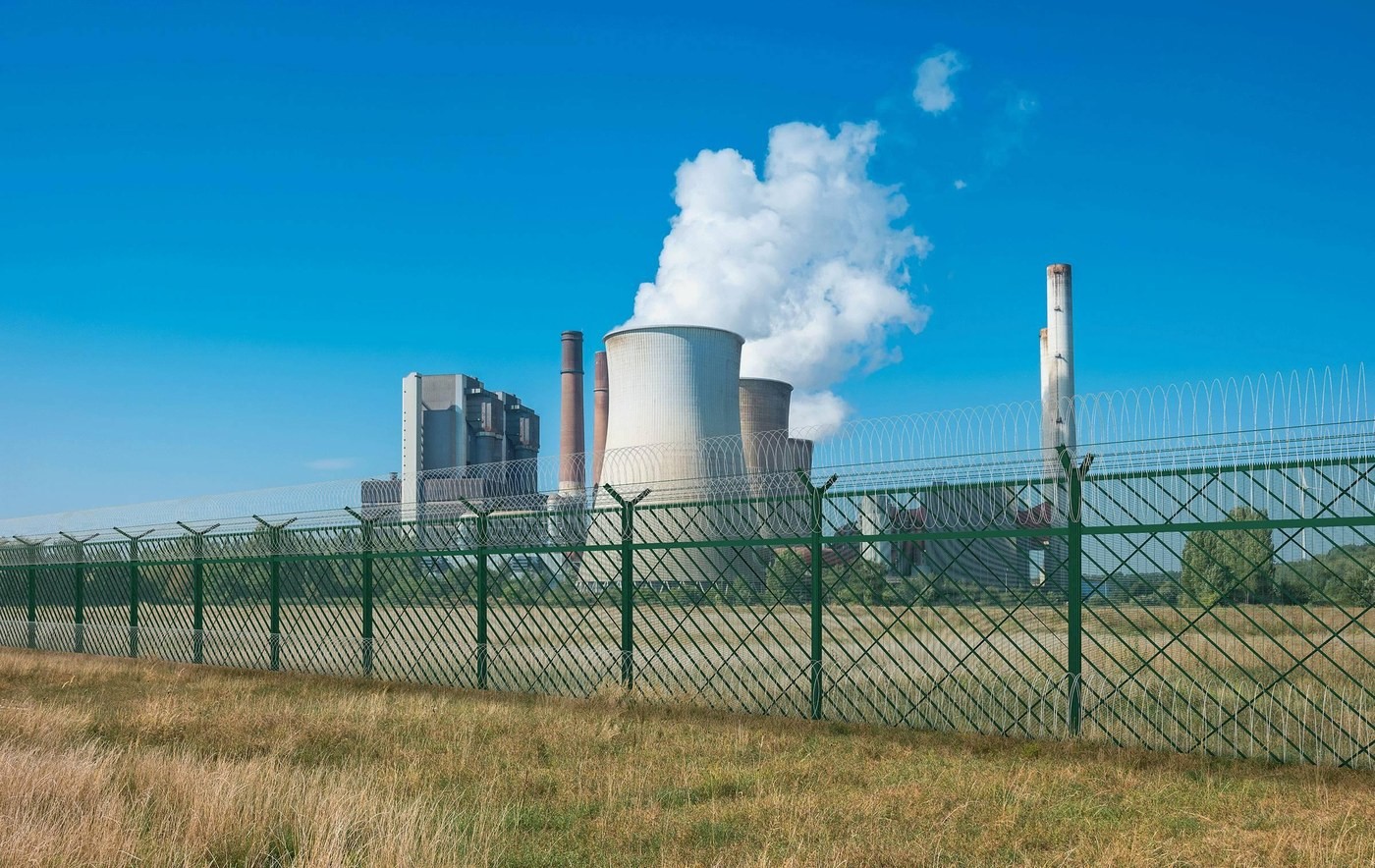
01 High-Security Perimeter Fencing for Energy Projects
For nuclear power plants, energy bases, substations and large industrial facilities, perimeter fencing is more than a boundary marker. It is an important element of the overall security architecture.
A high-security metal fence uses steel mesh panels, posts and connection components to create a continuous protective interface. The system must resist climbing and tampering, provide corrosion protection and maintain alignment, verticality and structural stability over long installation distances.
During engineering and supply, the design must also consider changes in ground level, corners, foundation types, gate interfaces and future maintenance access. Only when the mesh, posts, fittings and foundations form a continuous and reliable load path can the perimeter remain stable under demanding outdoor conditions.
|
02 358 Anti-Climb Mesh Details
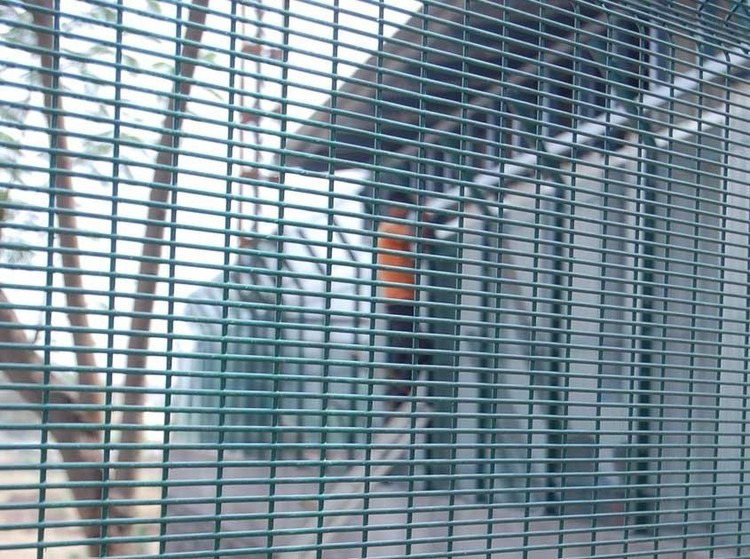
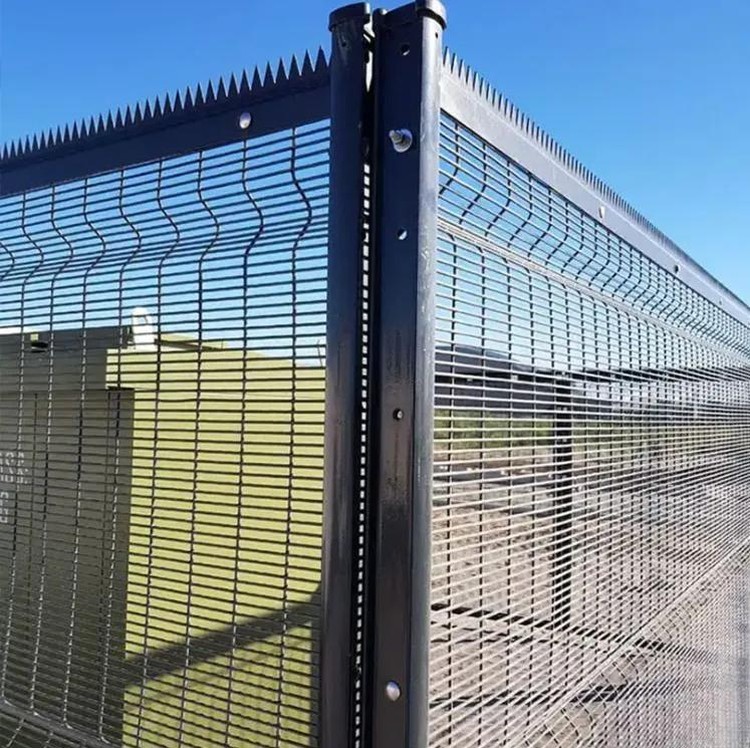
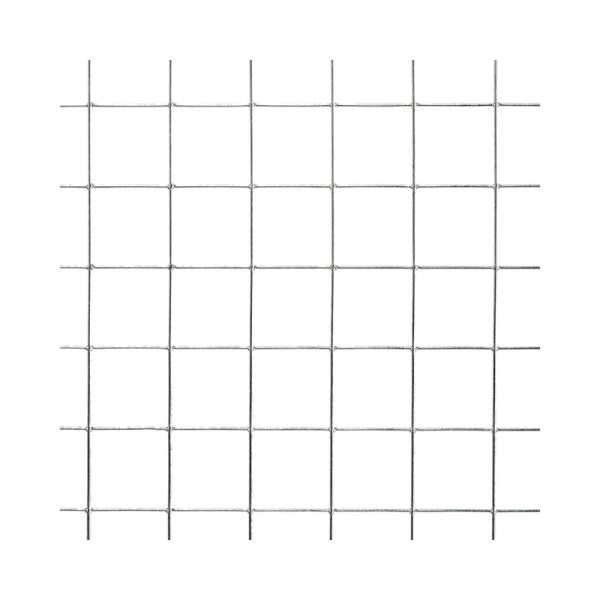
358 anti-climb fencing uses a dense welded-mesh configuration with small apertures that reduces effective handholds and footholds, increasing the difficulty of climbing while maintaining good visibility for surveillance and routine inspection.
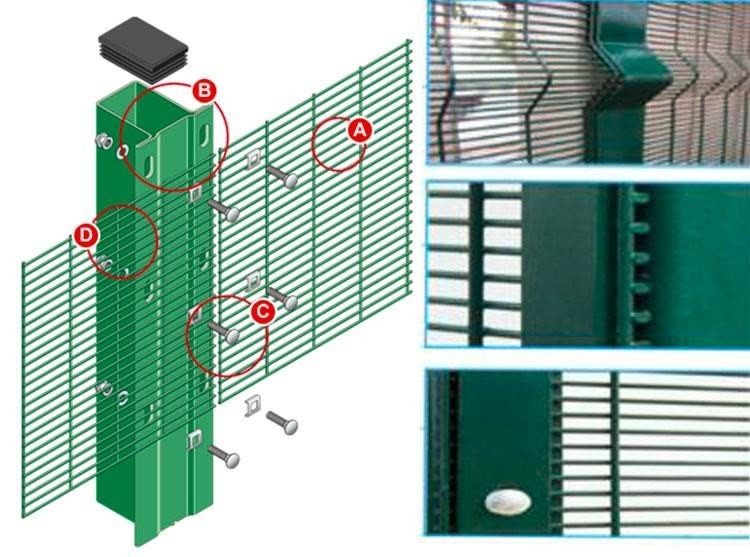
For high-security projects, the mesh panel is only one part of the system. Engineering review should also cover weld quality, panel flatness, edge treatment, panel-to-post fixing methods and the arrangement of connection components so that local looseness, distortion or weak fixing points do not compromise the overall perimeter.
|
||||
03 Long-Distance 358 Fence Installation
Large energy and industrial projects usually require perimeter protection over long distances. The fence system therefore needs sufficient structural stability as well as standardized manufacturing, efficient transportation and repeatable site installation. Modular 358 mesh panels, posts and connection components are well suited to large-volume project supply.
Long-distance installation quality is reflected in continuous fence alignment, post verticality, consistent panel joints and correct transitions at corners, slopes and changes in level. Standardized components and clearly defined installation details also help control cumulative construction tolerances and simplify future maintenance.
|
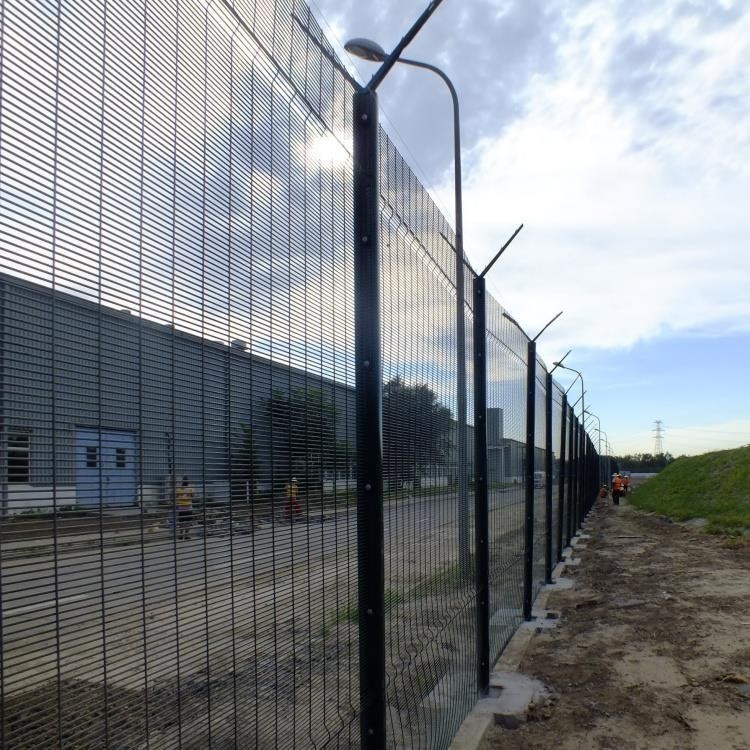
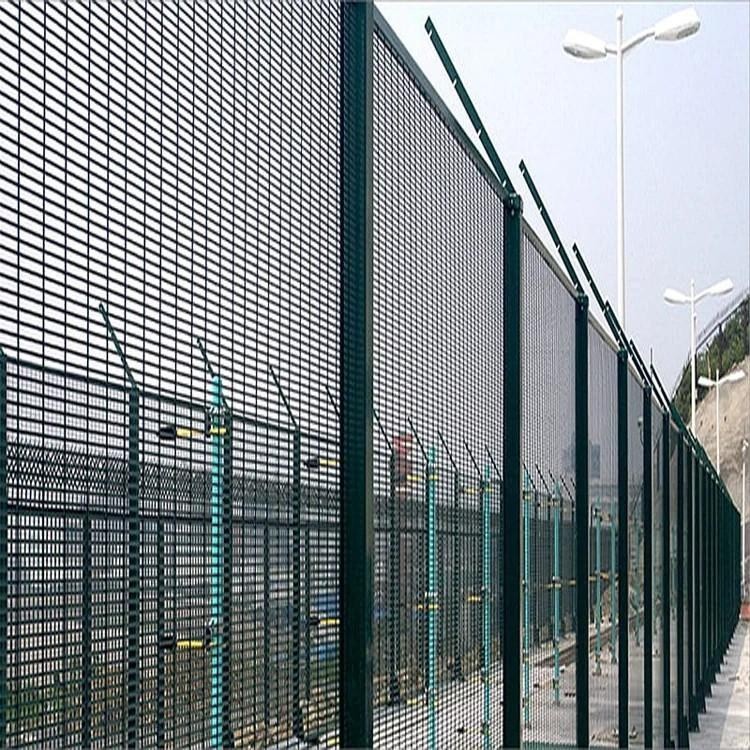
Key execution point: Before long-distance fence installation starts, the route should be set out and foundation positions verified. During installation, the site team should continuously check post verticality, panel elevation, panel-to-panel alignment and corner conditions. On slopes or irregular boundaries, segmented adjustment should be used to maintain a continuous protective interface and avoid gaps beneath the fence.
Project acceptance can focus on component consistency, fastener condition, connection integrity and overall alignment. Standardized components and clear installation nodes reduce cumulative deviation in large-volume installation and make future panel replacement or local repair easier.
04 Posts, Connections and Fixing Structures
A complete high-security fencing system includes not only mesh panels but also posts, connection components, fasteners and foundation interfaces. The engineering design should provide a clear load path so that external forces acting on the mesh are transferred through the connections to the posts and foundations instead of being concentrated on a single bolt or local weak point.
Connections should also address anti-loosening performance, corrosion resistance, installation efficiency and maintenance access. Post section, wall thickness, connection method and base fixing arrangement should be selected according to fence height, foundation conditions and the required security level so that long-term stiffness and stability are maintained.
|
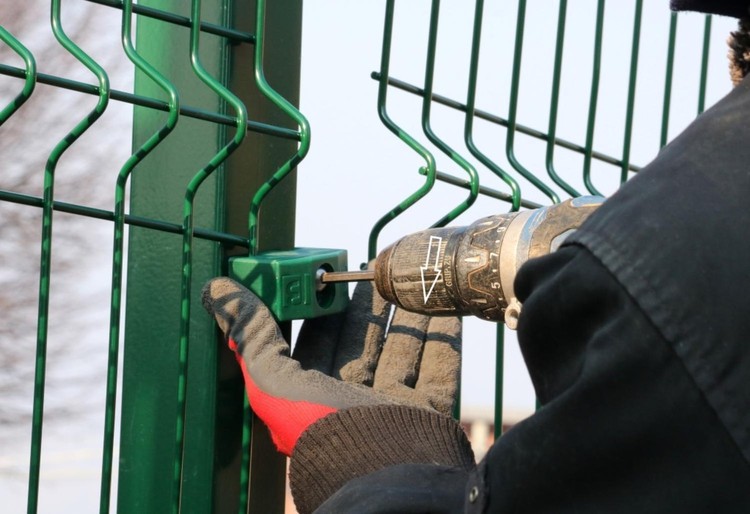
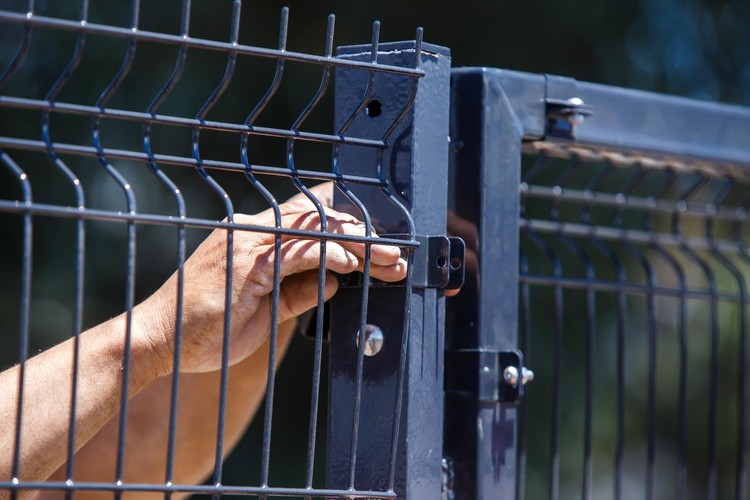
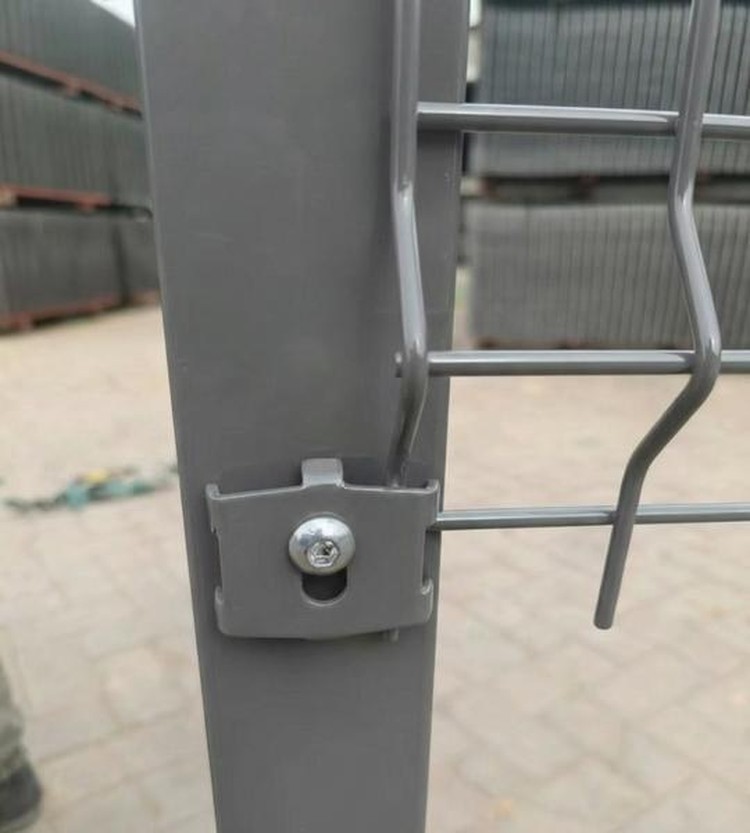
Connection control point: The real reliability of a high-security fence often depends on the details. Panel fixing points, bolts, clamps, welded areas and post-base connections should provide a consistent level of protection, while transport and installation practices should avoid coating damage, insufficient tightening and component deformation.
05 Vehicle Gate Systems
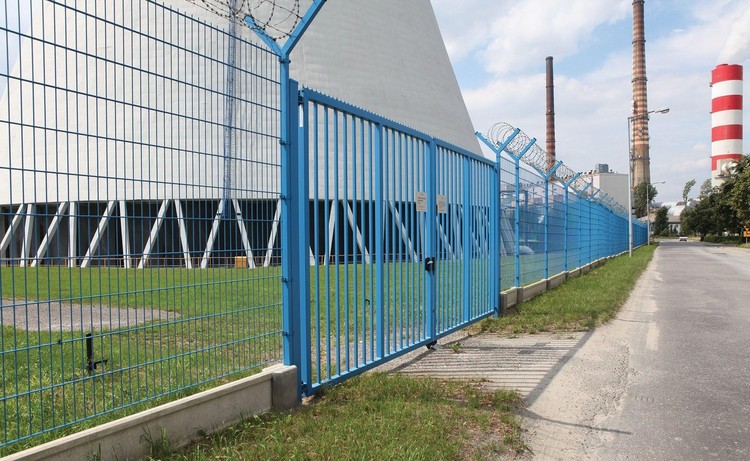
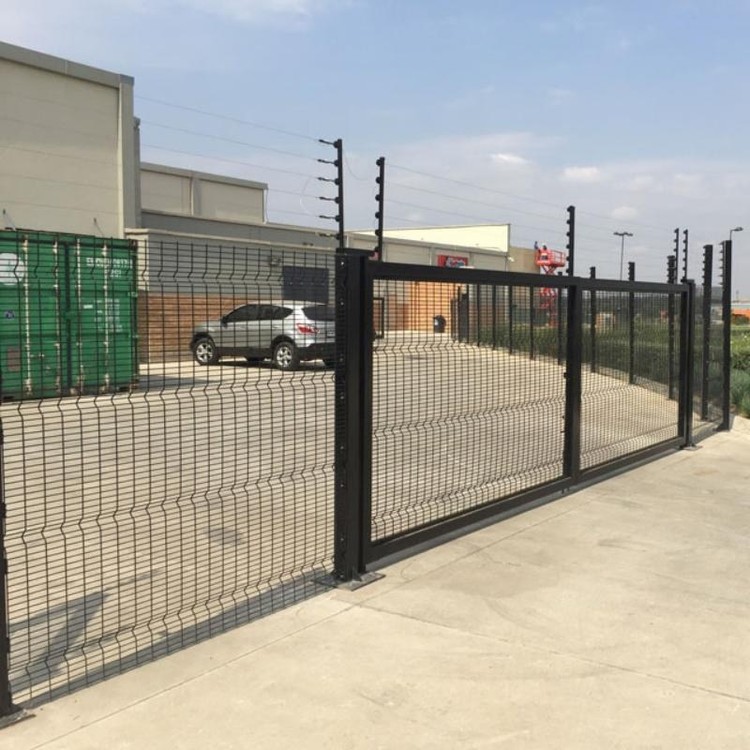
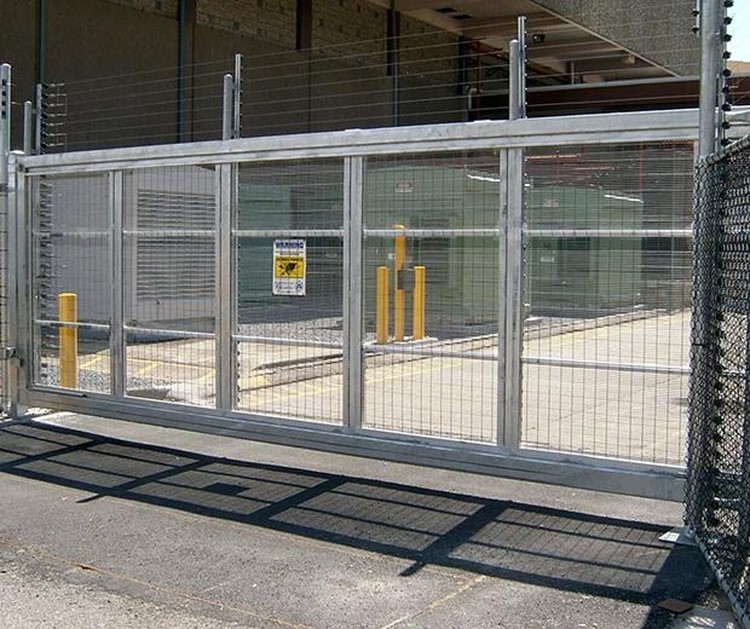
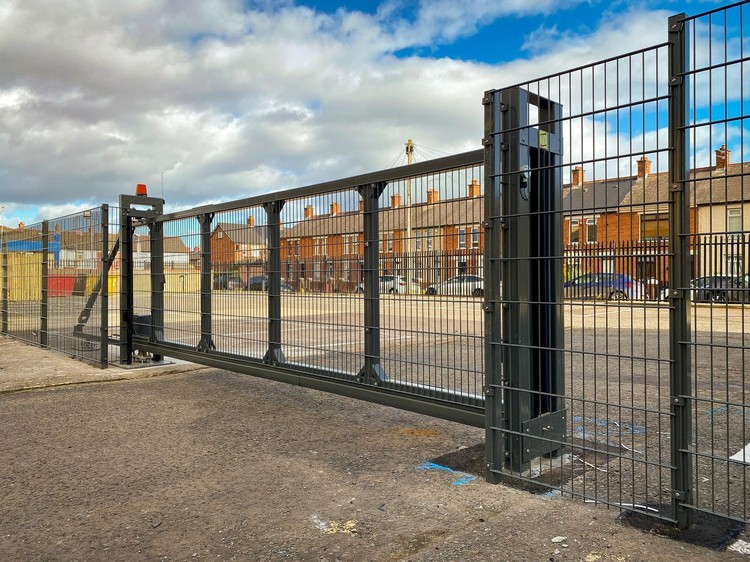
Energy and industrial projects often require access for large vehicles, making the vehicle gate a critical part of the perimeter system. Because the gate is large and may operate frequently, frame stiffness, hinges or sliding mechanisms, locking arrangements and the interface with adjacent fencing directly affect both security and operational reliability.
Gate selection should consider clear opening width, vehicle type, opening method, ground conditions and operating frequency. The protection level of the gate area should remain consistent with the main fence wherever possible. Projects requiring access control or automation should also reserve suitable structural and installation interfaces.
|
06 Pedestrian Gate Systems
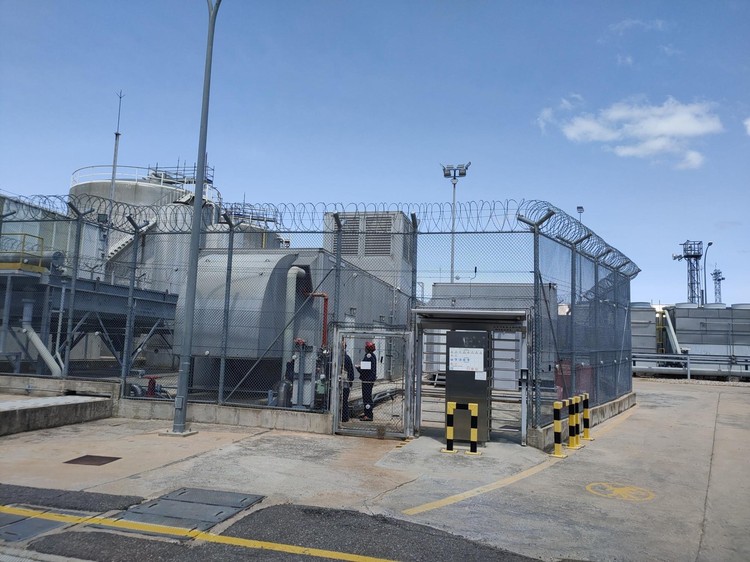
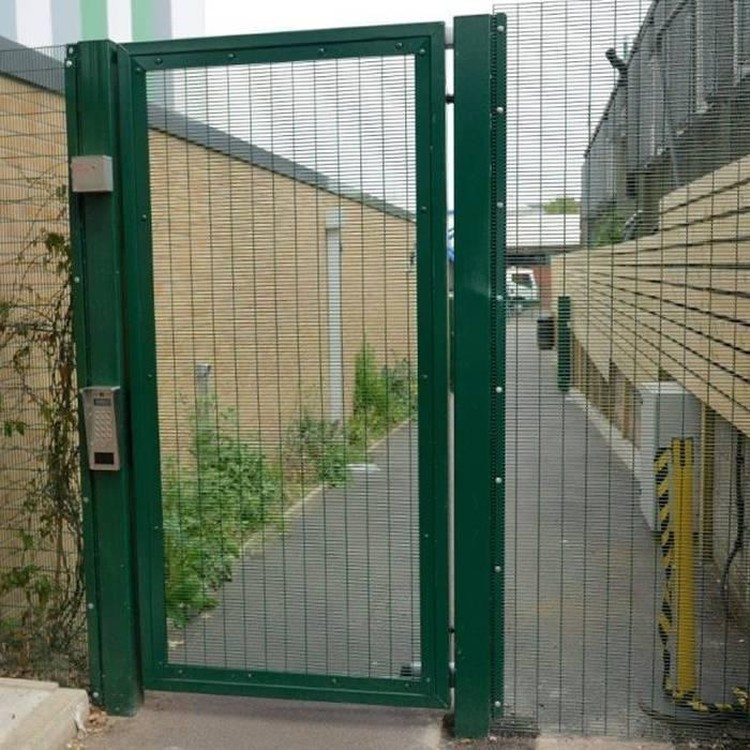
Pedestrian gates provide routine personnel access and are an important part of a high-security fencing package. Unlike ordinary entrances, a high-security pedestrian gate must balance convenient access with frame stiffness, reliable locking and continuous protection at the interface with the adjacent fence.
Gate posts, frames, hinges and lock positions should avoid creating obvious weak points, and operation of the gate should not interfere with the surrounding fence structure. Depending on project requirements, pedestrian gates can also interface with access-control, identity-verification and surveillance systems so that physical protection and entrance management work together.
|
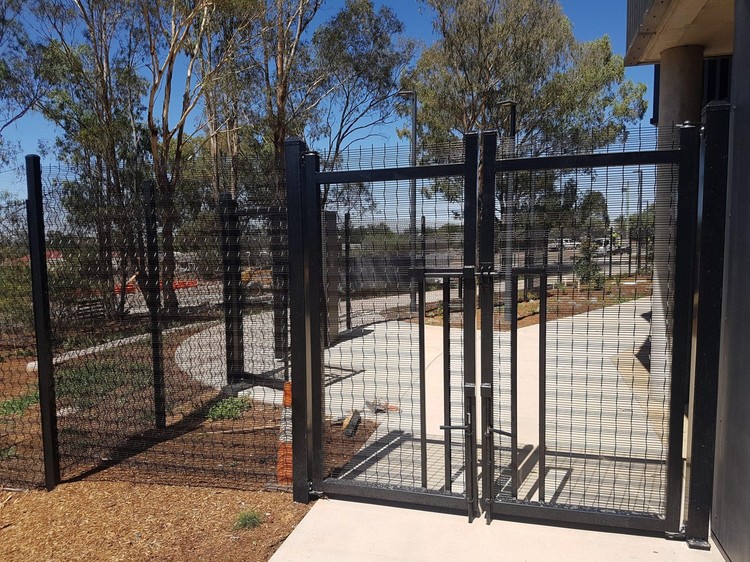
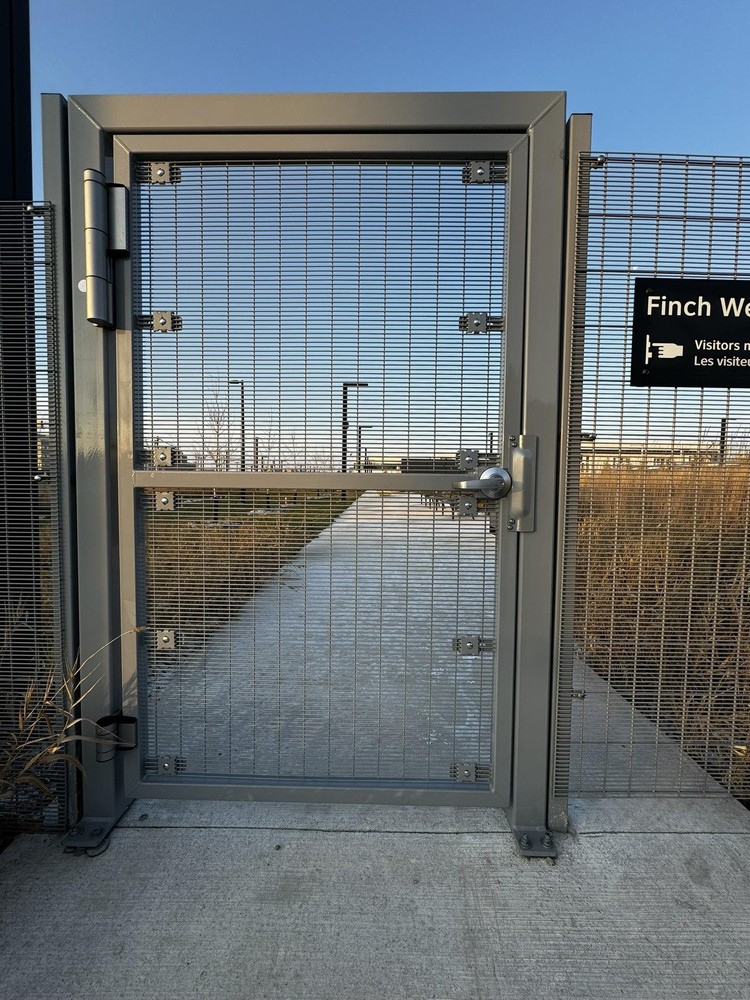
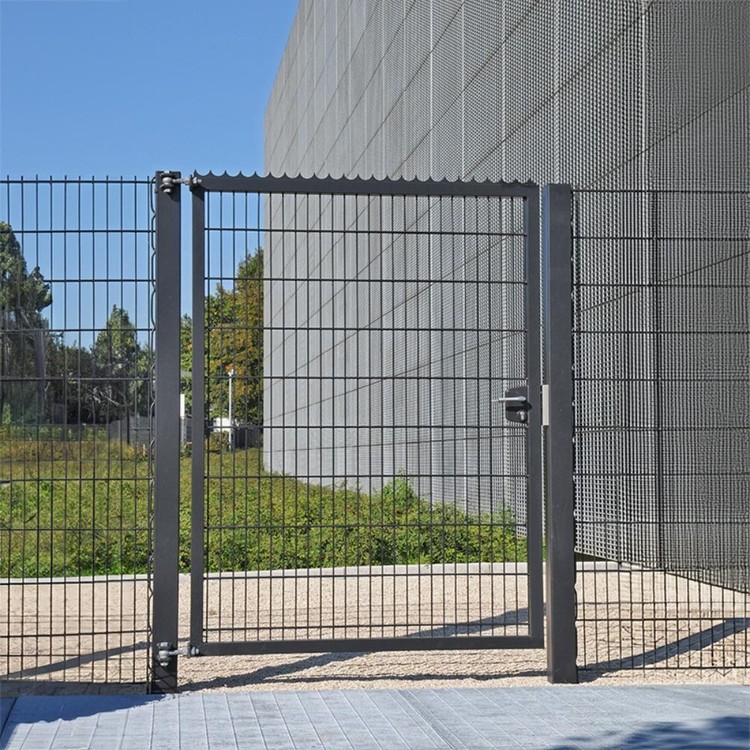
07 Real Corrosion Cases: Fences and Gates
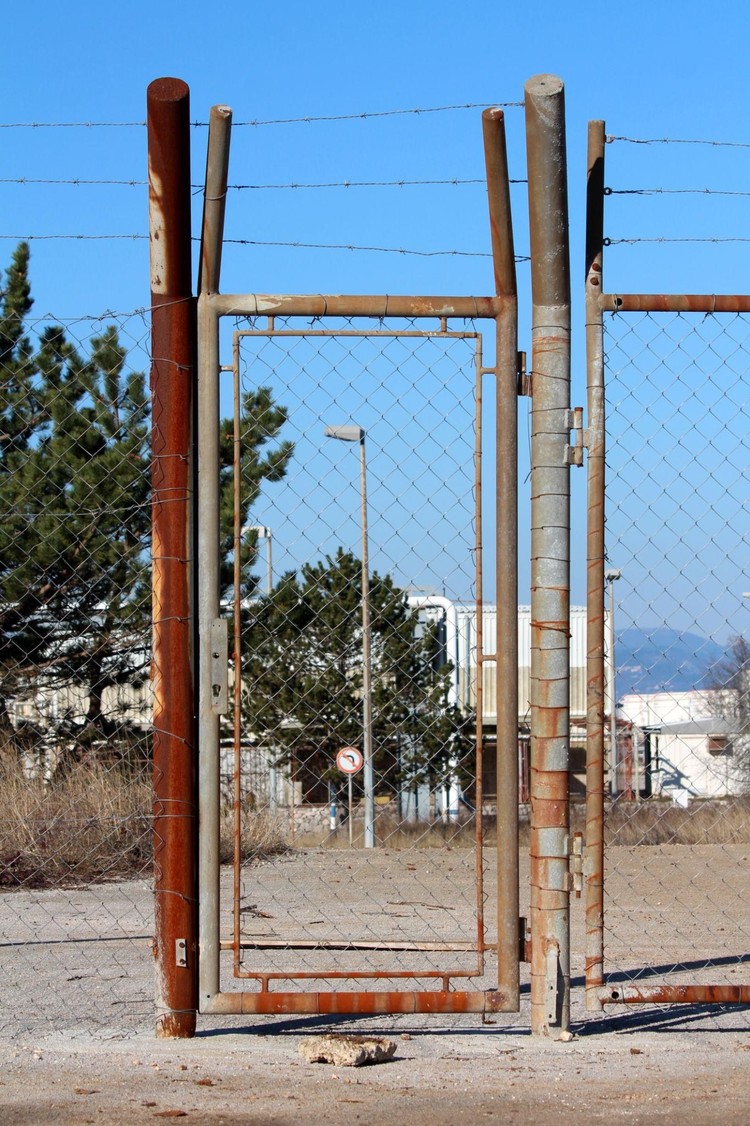
Outdoor fencing is continuously exposed to rain, humidity, ultraviolet radiation, salts and temperature changes. Corrosion often begins at welded areas, cut edges, fasteners, hinges and post bases. The completeness of the corrosion-protection system therefore has a direct impact on long-term fence and gate performance.
Comparing well-protected and corroded examples shows that once a coating is damaged and maintenance is delayed, corrosion can spread into the base metal and connection areas. This leads to poorer appearance, higher maintenance frequency and, in severe cases, reduced structural strength or unreliable gate operation. Surface treatment and maintenance should therefore be considered throughout the entire service life of the perimeter system.
|
|
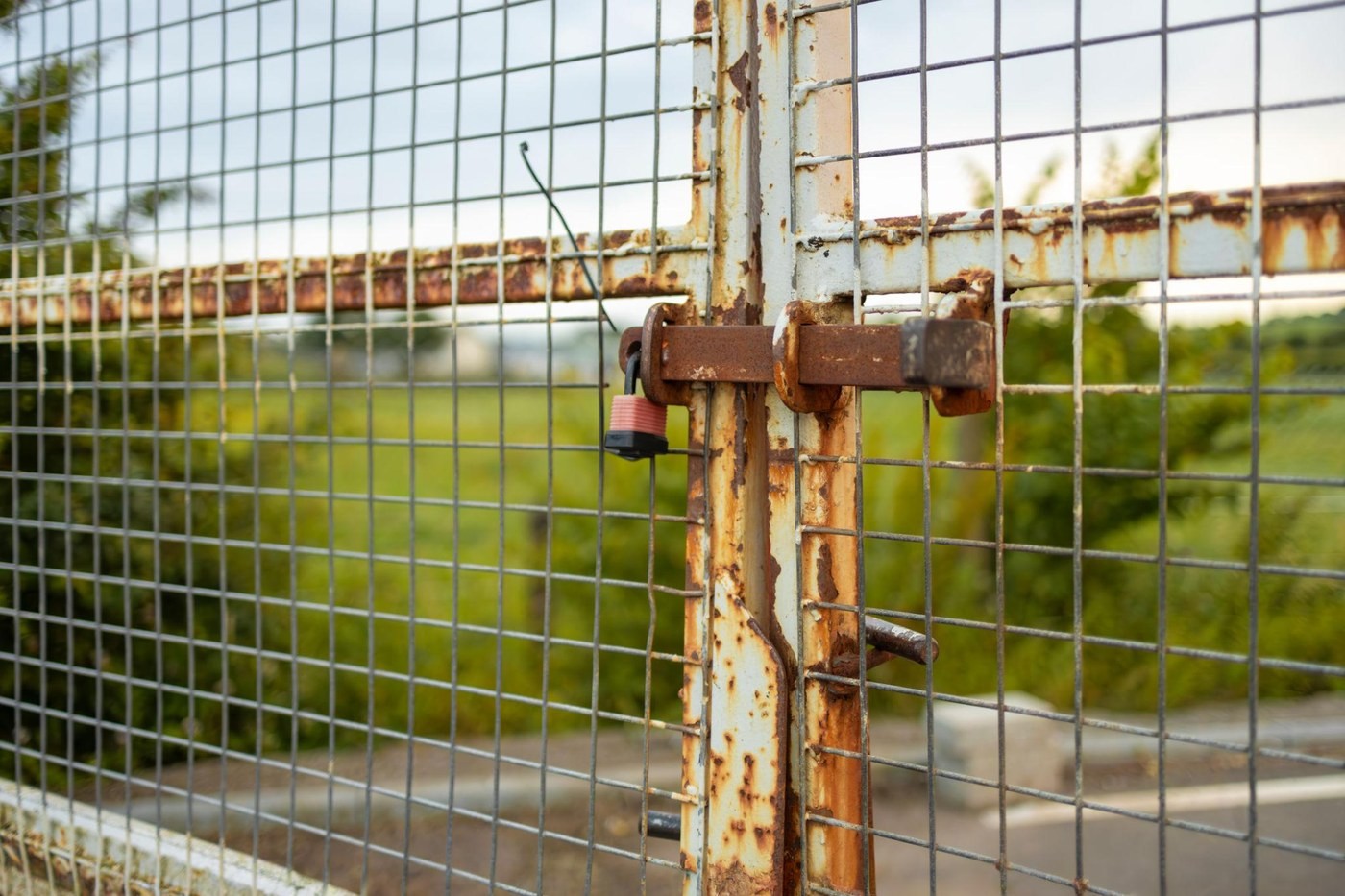
Maintenance recommendation: Once the fence is in service, welds, cut edges, fasteners, hinges, locks and post bases should be treated as key inspection points. Scratches, coating cracks and local rust should be cleaned and repaired promptly to prevent corrosion from spreading into surrounding steel.
For coastal, high-humidity or industrially polluted environments, and for gate areas with frequent operation, inspection frequency should be increased according to site conditions. Recording corrosion, looseness and mechanical wear as part of life-cycle maintenance helps preserve appearance, structural performance and reliable access operation.
08 Corrosion Protection and Surface Treatment Details
High-security metal fencing commonly uses hot-dip galvanizing, PVC coating or powder coating to improve the outdoor corrosion resistance of steel components. The appropriate system should be selected according to site humidity, salt exposure, industrial pollution, appearance requirements and the expected service life.
Engineering quality depends on more than simply having a coating. Base-material preparation, coating uniformity, coverage at welds, cut-edge protection and damage during transport and installation all need to be controlled. In aggressive environments, a complete corrosion-protection system can significantly reduce repainting, repair and component-replacement requirements over the life of the project.
|
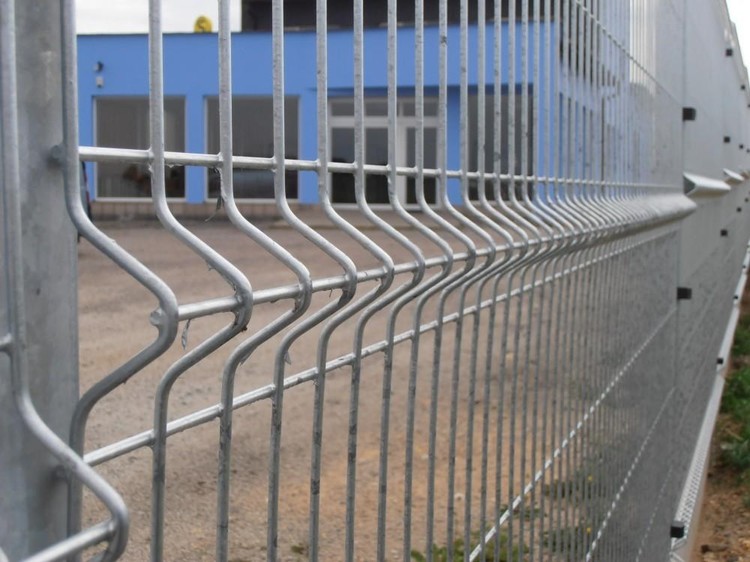
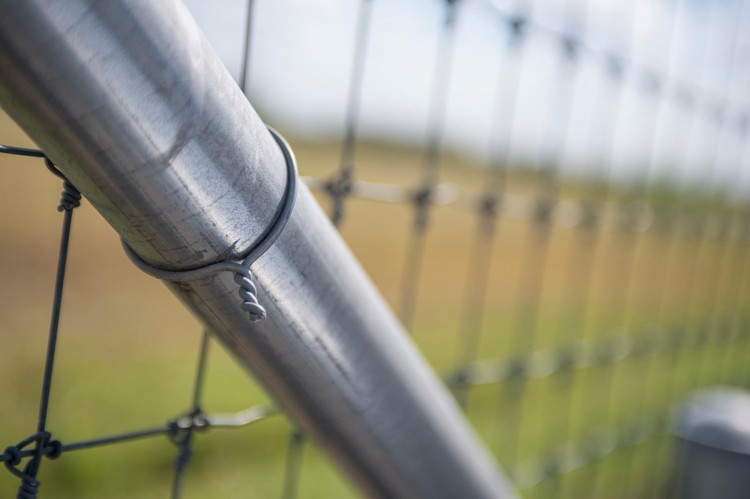
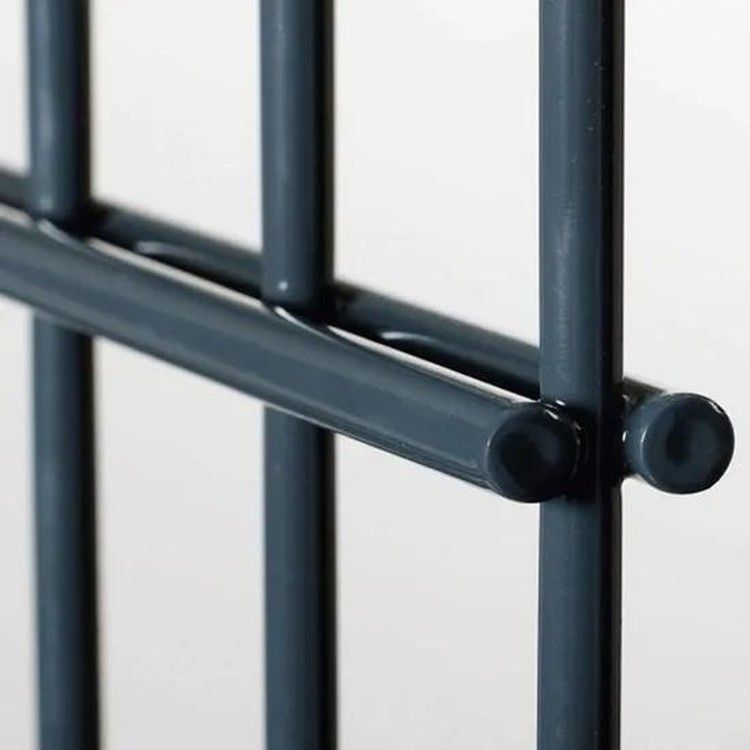
For project supply, Command Fence focuses on the compatibility of mesh panels, posts, connection components and gate systems, as well as surface-treatment requirements for different operating environments. The objective is to provide a complete fencing system with coordinated structural performance, corrosion protection and installation compatibility.
About Command Fence
Command Fence specializes in high-security metal fencing manufacturing and project supply for energy, industrial, infrastructure and other high-security applications. Fence systems can be configured around project drawings, site conditions, product specifications, surface-treatment requirements and matching gate systems.
The product range includes 358 anti-climb fencing, welded mesh fencing, chain-link fencing, vehicle gates and pedestrian gates. For large projects, stable batch production, component consistency, export packaging and complete connection details are also essential parts of project delivery. Command Fence supports long-term outdoor perimeter-security projects through reliable manufacturing processes and engineering-oriented product configuration.
Command Fence | High Security Metal Fencing Solutions



Leave a Reply