
AI-Driven Energy Infrastructure Actualizaciones: Por qué los proyectos de energía nuclear necesitan una alimentación de metal de alta seguridad
High Security Fence Solutions for Energy, Industrial and Infrastructure Projects
A medida que la inteligencia artificial se desarrolla rápidamente, la demanda mundial de electricidad sigue aumentando. La expansión de los centros de datos de IA y las industrias digitales está impulsando a más países a reexaminar la necesidad de un suministro energético estable, fiable y escalable, creando un impulso renovado para el desarrollo de la energía nuclear.
A medida que se expanden los proyectos nucleares y se mejora la infraestructura energética, también aumenta la demanda de protección del perímetro de alta seguridad. Para las centrales nucleares, las bases energéticas y las grandes instalaciones industriales, el esgrima no es un componente aislado. Forma parte del sistema completo de seguridad perímetro y debe coordinarse con puntos de acceso, carreteras, sistemas de vigilancia y requisitos de operación y mantenimiento del sitio. La misma valla de metal también debe proporcionar rendimiento anti-clima y antiintrusión, resistencia a la corrosión, estabilidad estructural y mantenimiento a largo plazo.
|
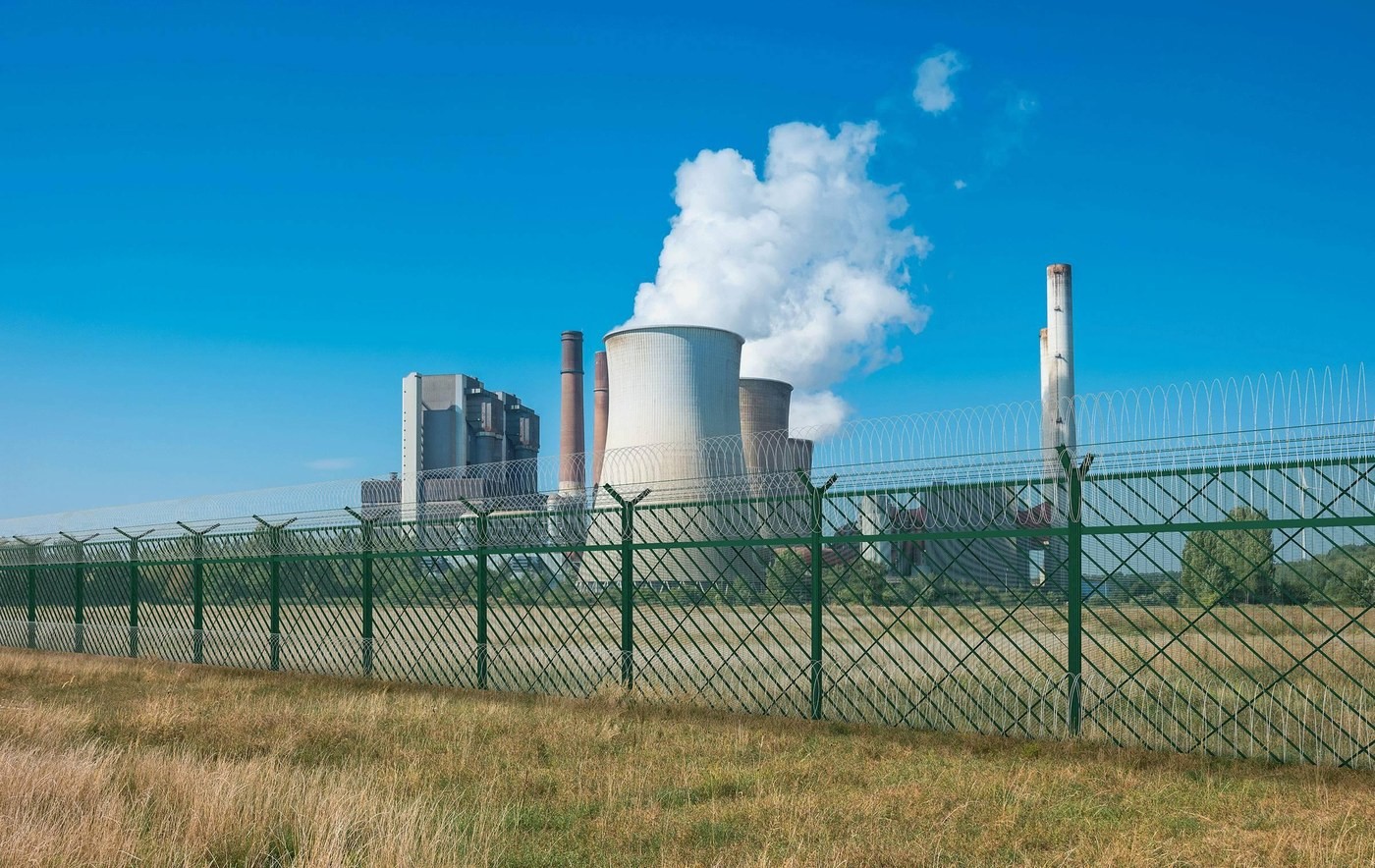
01 Fencing for Energy Projects
Para las centrales nucleares, bases energéticas, subestaciones y grandes instalaciones industriales, el esgrima perímetro es más que un marcador de límites. Es un elemento importante de la arquitectura general de seguridad.
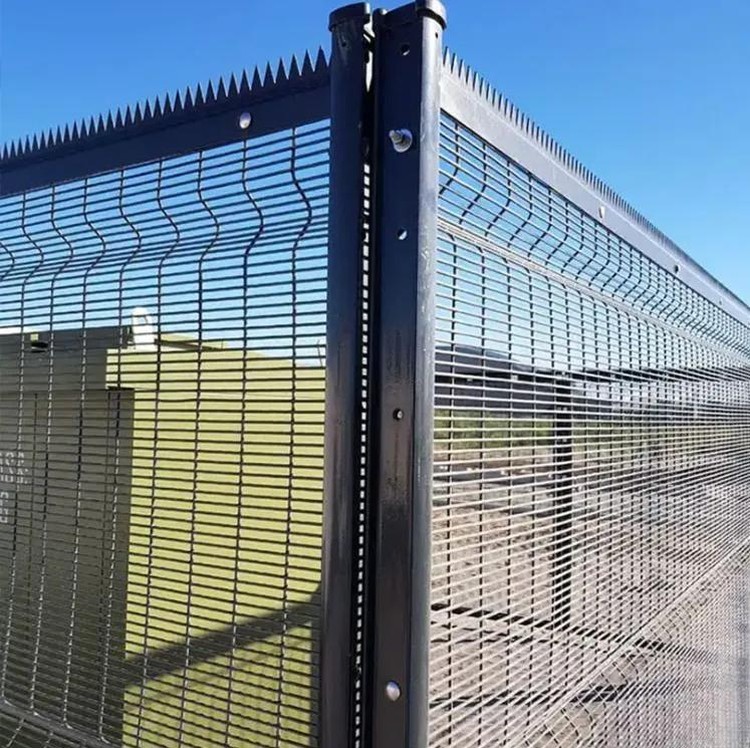
Una cerca de metal de alta seguridad utiliza paneles de malla de acero, componentes de puestos y conexión crear una interfaz de protección continua. El sistema debe resistir la escalada y la manipulación, proporcionar protección de la corrosión y mantener la alineación, verticalidad y estabilidad estructural a través de largas distancias de instalación.
Durante la ingeniería y el suministro, el diseño también debe considerar cambios en el nivel de tierra, esquinas, tipos de fundación, interfaces de puerta y acceso futuro al mantenimiento. Sólo cuando la malla, los postes, los accesorios y las fundaciones forman un camino de carga continuo y fiable puede el perímetro permanecer estable bajo condiciones exigentes al aire libre.
|
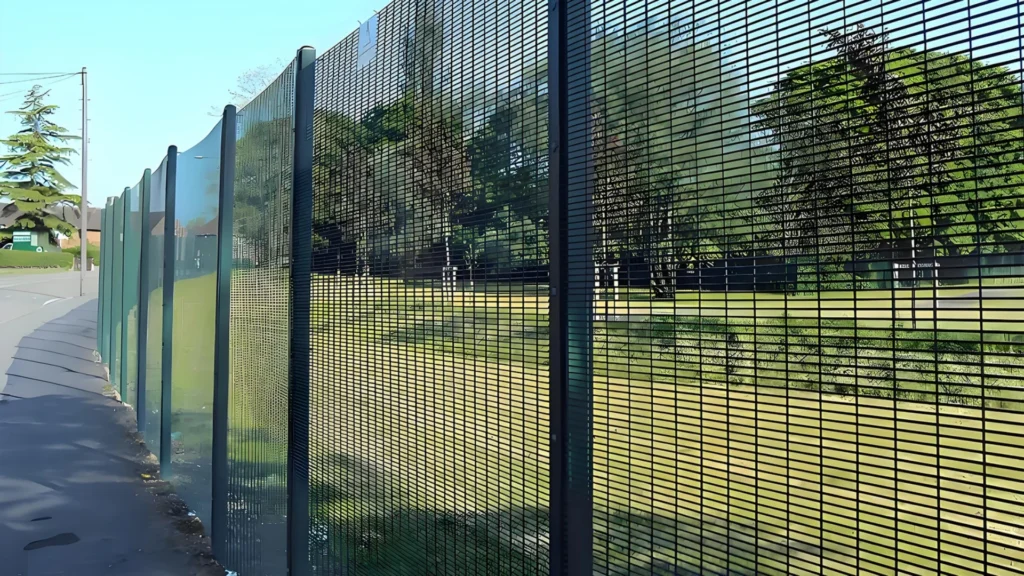
02 358 Anti-Climb Mesh Details
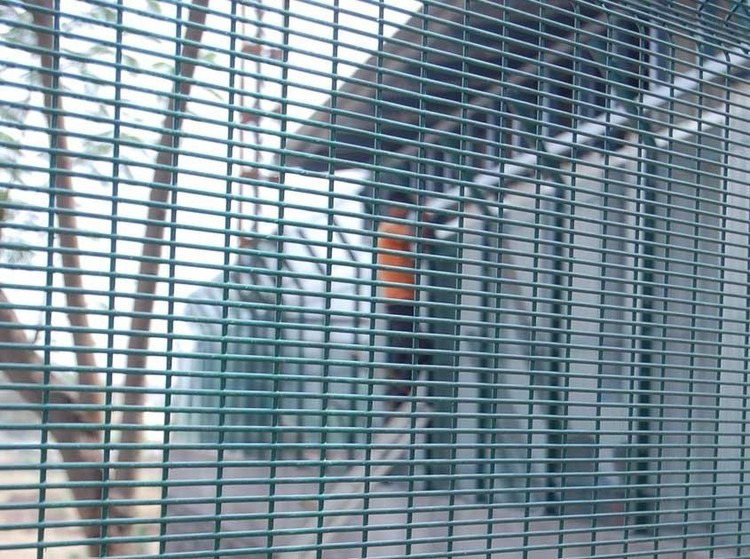
358 hembras anti-clima utiliza una densa configuración de malla soldada con pequeñas aberturas que reduce las manitas y los pies efectivos, aumentando la dificultad de escalar manteniendo la buena visibilidad para la vigilancia y la inspección rutinaria.
Para proyectos de alta seguridad, el panel de malla es sólo una parte del sistema. La revisión de la ingeniería también debe cubrir la calidad de la soldadura, la flatness de los paneles, el tratamiento de bordes, los métodos de fijación de paneles a postes y la disposición de componentes de conexión para que la relajación local, la distorsión o los puntos de fijación débiles no comprometan el perímetro general.
|
||||
03 Long-Distance 358 Fence Instalación
Grandes proyectos energéticos e industriales generalmente requieren protección del perímetro a largas distancias. Por lo tanto, el sistema de cerca necesita una estabilidad estructural suficiente, así como una fabricación estandarizada, un transporte eficiente y una instalación repetible. Los paneles de malla, puestos y componentes de conexión modulares 358 son adecuados para el suministro de proyectos de gran volumen.
La calidad de la instalación de larga distancia se refleja en la alineación continua de la valla, verticalidad posterior, juntas de paneles consistentes y transiciones correctas en esquinas, pendientes y cambios de nivel. Los componentes estandarizados y los detalles de instalación claramente definidos también ayudan a controlar las tolerancias acumulativas de la construcción y simplificar el mantenimiento futuro.
|
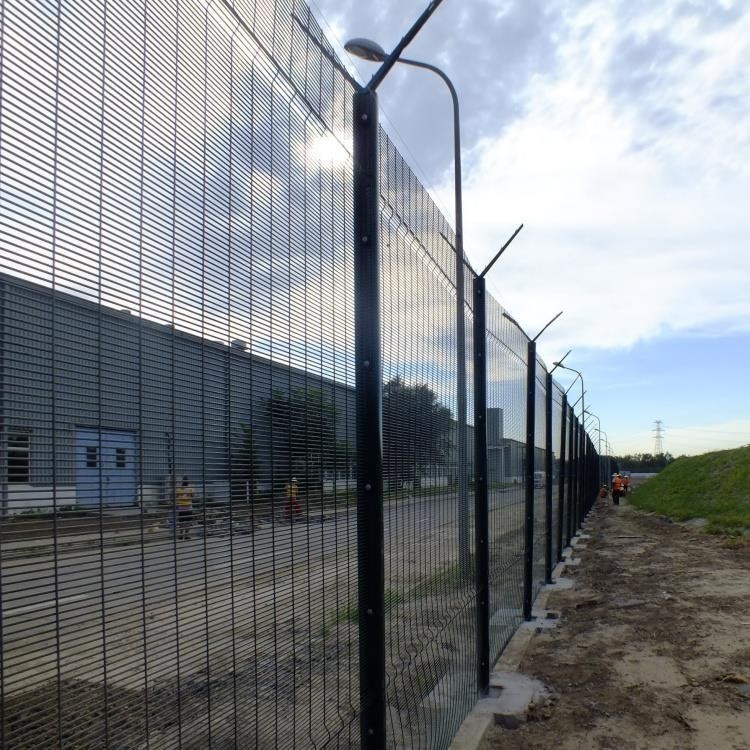
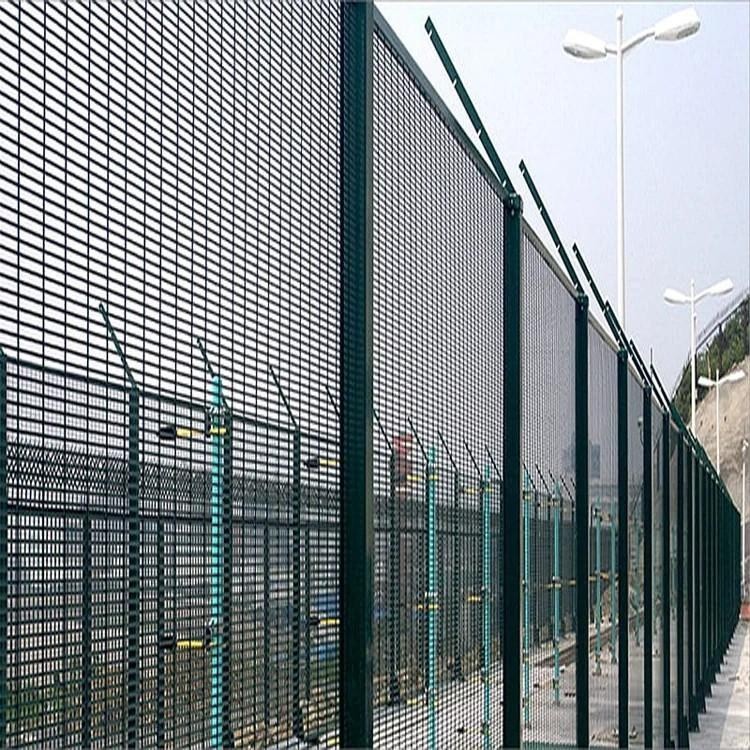
Punto clave de ejecución: Antes de iniciar la instalación de cerca de larga distancia, se debe establecer la ruta y verificar las posiciones de fundación. Durante la instalación, el equipo del sitio debe comprobar continuamente la verticalidad post, elevación del panel, alineación de panel a panel y condiciones de esquina. En las pendientes o límites irregulares, el ajuste segmentado debe utilizarse para mantener una interfaz de protección continua y evitar lagunas debajo de la valla.
La aceptación del proyecto puede centrarse en la consistencia de los componentes, la condición de cierre, la integridad de la conexión y la alineación general. Los componentes estandarizados y los nodos de instalación claros reducen la desviación acumulativa en la instalación de gran volumen y facilitan la sustitución del panel futuro o la reparación local.
04 Posts, Connections and Fixing Structures
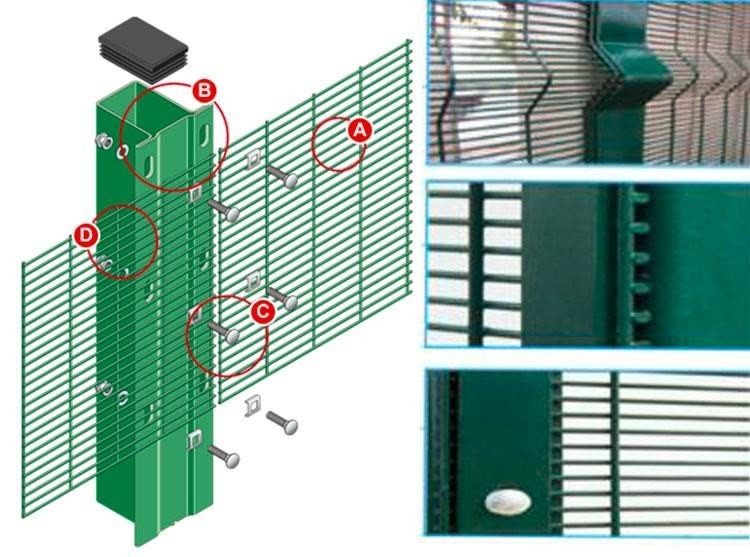
Un sistema completo de hembras de alta seguridad incluye no sólo paneles de malla, sino también publicaciones, componentes de conexión, sujetadores e interfaces de fundación. El diseño de ingeniería debe proporcionar una ruta de carga clara para que las fuerzas externas que actúan en la malla sean transferidas a través de las conexiones a los puestos y fundaciones en lugar de concentrarse en un solo perno o punto débil local.
Las conexiones también deben abordar el rendimiento anti-aprendizaje, la resistencia a la corrosión, la eficiencia de la instalación y el acceso al mantenimiento. La sección de correos, el espesor de la pared, el método de conexión y la fijación de la base deben seleccionarse según la altura de la valla, las condiciones de fundación y el nivel de seguridad requerido para mantener la rigidez y estabilidad a largo plazo.
|
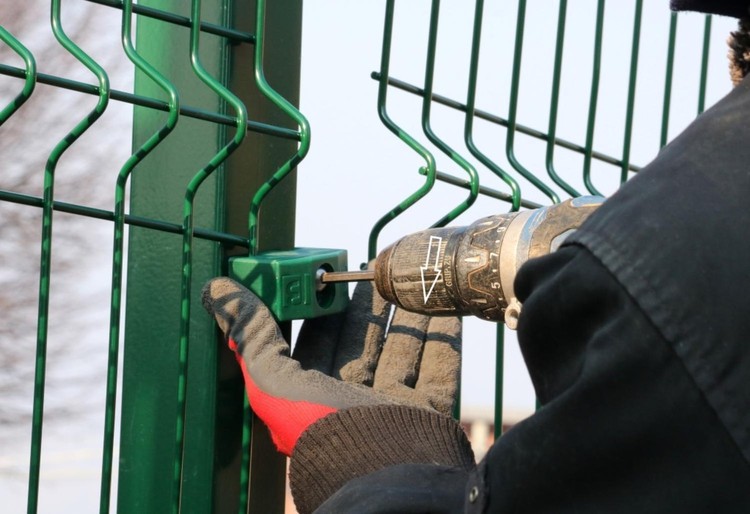
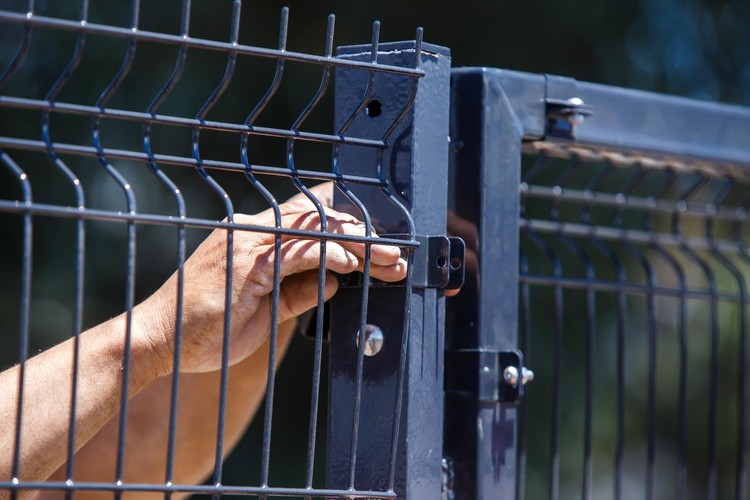
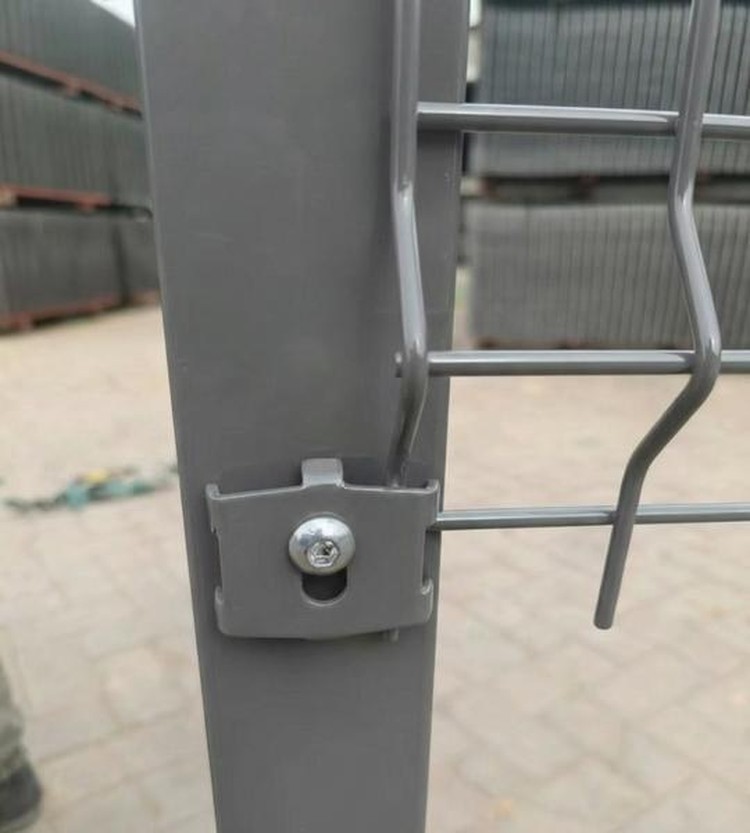
Punto de control de conexión: La fiabilidad real de una cerca de alta seguridad depende a menudo de los detalles. Los puntos de fijación, pernos, abrazaderas, áreas soldadas y conexiones post-base deben proporcionar un nivel constante de protección, mientras que las prácticas de transporte e instalación deben evitar daños de recubrimiento, endurecimiento insuficiente y deformación de componentes.
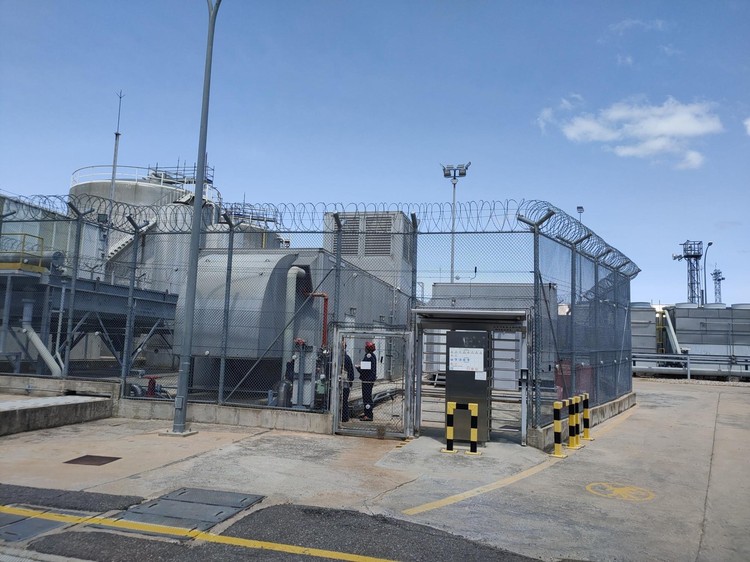
05 Sistemas de puerta de vehículo
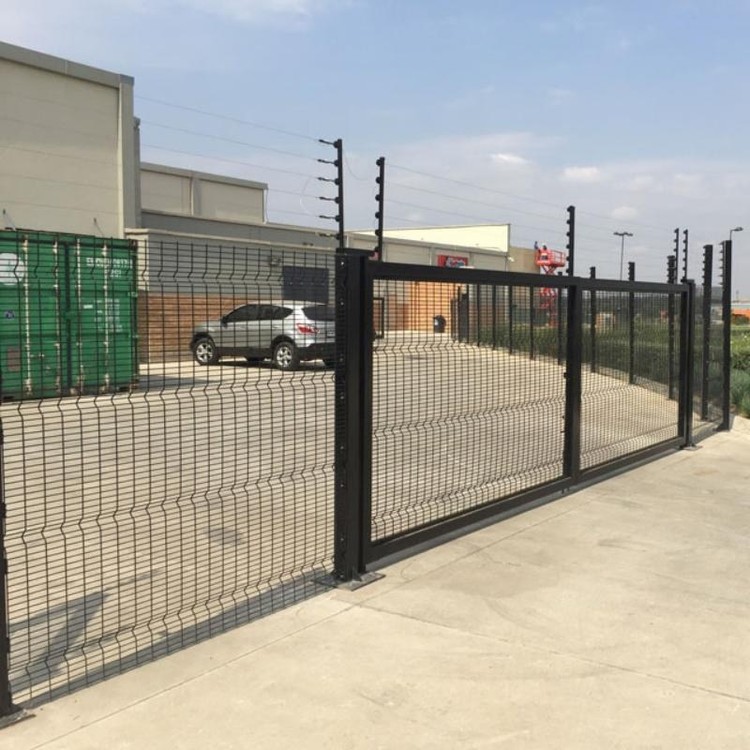
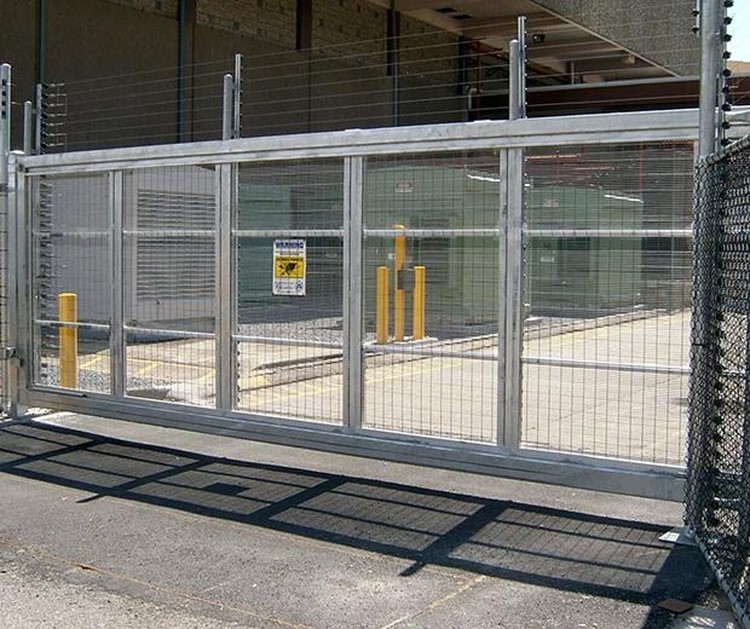
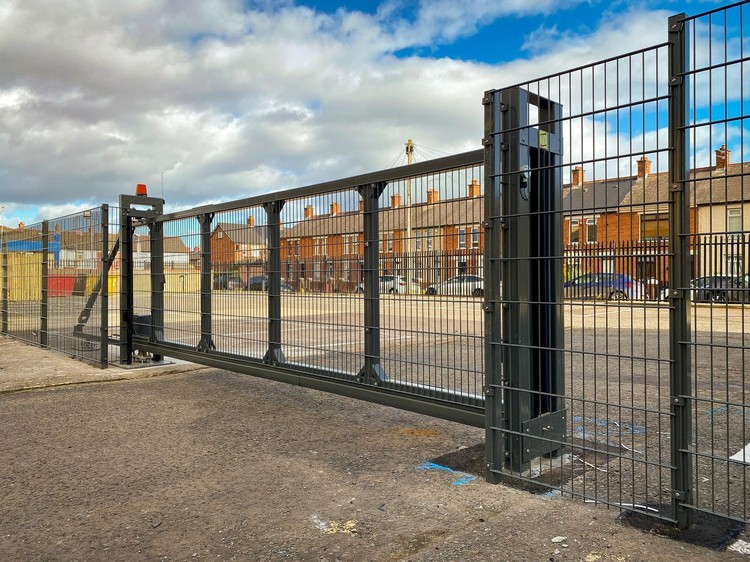
Los proyectos energéticos e industriales a menudo requieren acceso para vehículos grandes, haciendo Puerta del vehículo una parte crítica del sistema perímetro. Debido a que la puerta es grande y puede funcionar con frecuencia, rigidez del marco, bisagras o mecanismos deslizantes, los arreglos de bloqueo y la interfaz con cerradura adyacente afectan directamente tanto la seguridad como la fiabilidad operacional.
La selección de la puerta debe considerar la anchura de apertura clara, tipo de vehículo, método de apertura, condiciones de tierra y frecuencia de operación. El nivel de protección de la zona de la puerta debe seguir siendo coherente con la valla principal siempre que sea posible. Proyectos que requieren control de acceso o automatización debe reservar interfaces estructurales e de instalación adecuadas.
|
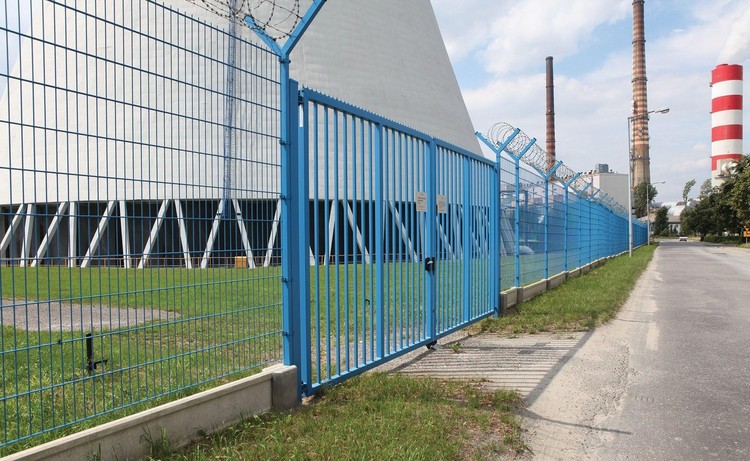
06 Pedestrian Gate Systems
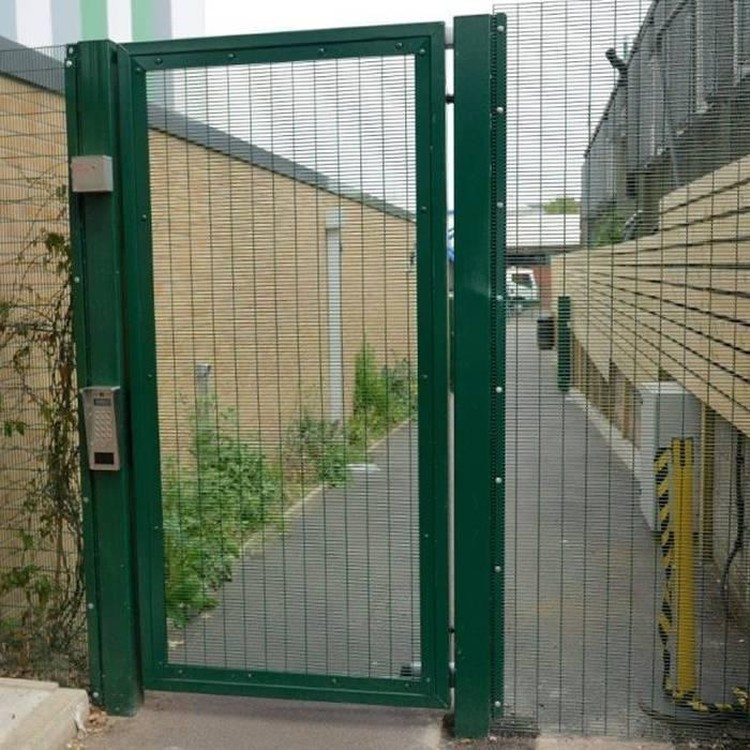
Puertas peatonales proporcionar acceso a personal de rutina y son una parte importante de un paquete de esgrima de alta seguridad. A diferencia de las entradas ordinarias, una puerta peatonal de alta seguridad debe equilibrar el acceso conveniente con rigidez del marco, bloqueo fiable y protección continua en la interfaz con la valla adyacente.
Puestos de puerta, marcos, bisagras y posiciones de bloqueo deben evitar crear puntos débiles obvios, y el funcionamiento de la puerta no debe interferir con la estructura de la valla circundante. Dependiendo de los requisitos del proyecto, las puertas peatonales también pueden interactuar con los sistemas de control de acceso, verificación de identidad y vigilancia para que la protección física y gestión de entradas funcionen conjuntamente.
|
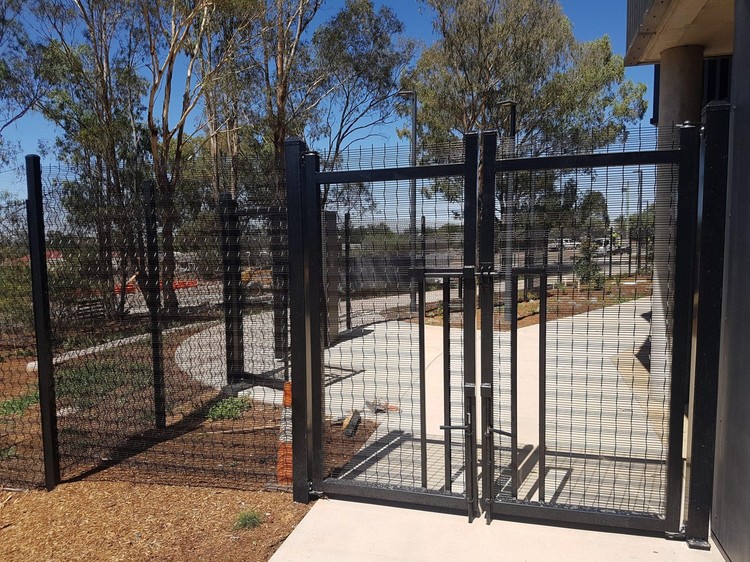
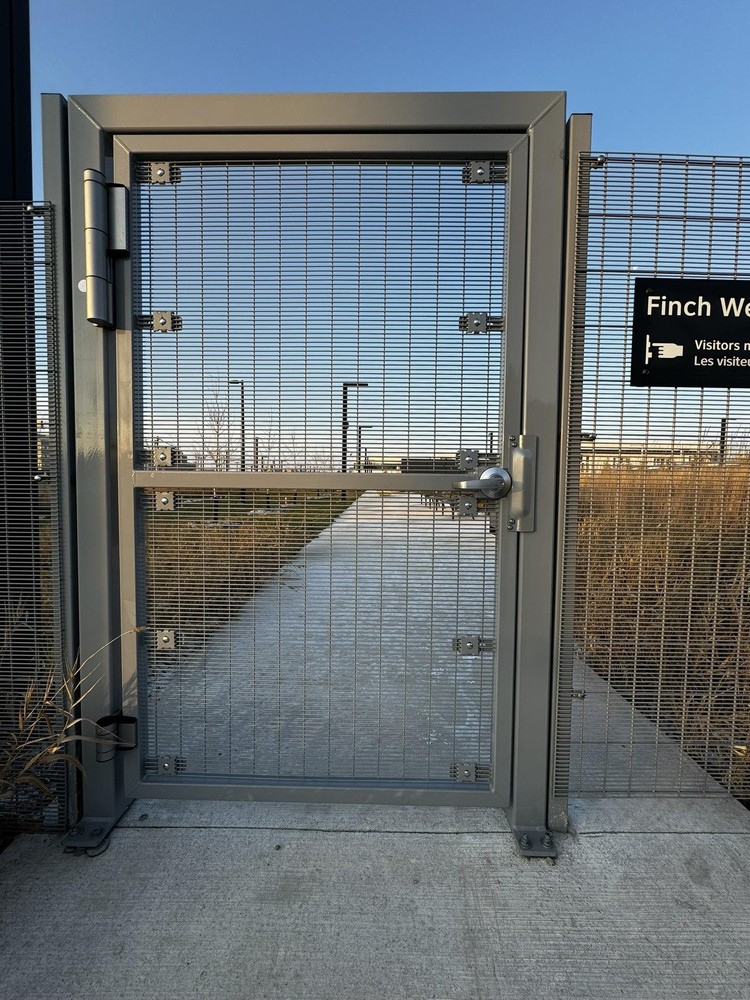
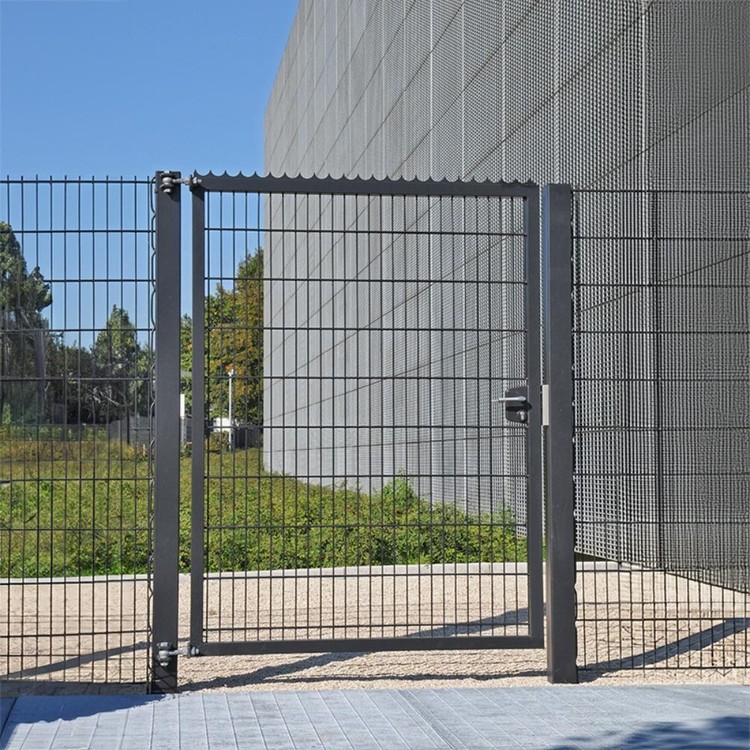
07 Casos de Corrosión Real: Fences and Gates
El esgrima exterior está continuamente expuesto a lluvia, humedad, radiación ultravioleta, sales y cambios de temperatura. La corrosión a menudo comienza en áreas soldadas, bordes cortados, cierres, bisagras y bases post. Por lo tanto, la integridad del sistema de protección de la corrosión tiene un impacto directo en la valla y el rendimiento de la puerta a largo plazo.
Comparando ejemplos bien protegidos y corroídos muestra que una vez que se daña un revestimiento y se retrasa el mantenimiento, la corrosión puede extenderse a las áreas de metal base y conexión. Esto conduce a una apariencia más deficiente, una mayor frecuencia de mantenimiento y, en casos graves, una reducción de la fuerza estructural o una operación de puerta no fiable. Por lo tanto, el tratamiento superficial y el mantenimiento deben considerarse durante toda la vida útil del sistema perímetro.
|
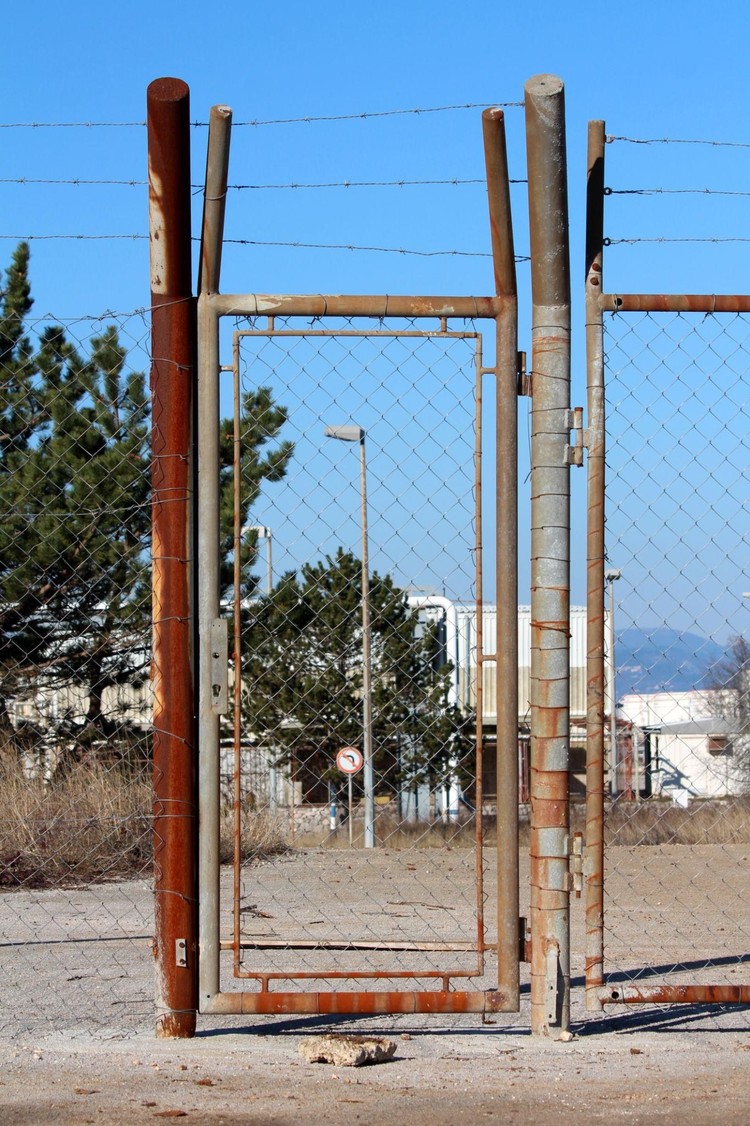
|
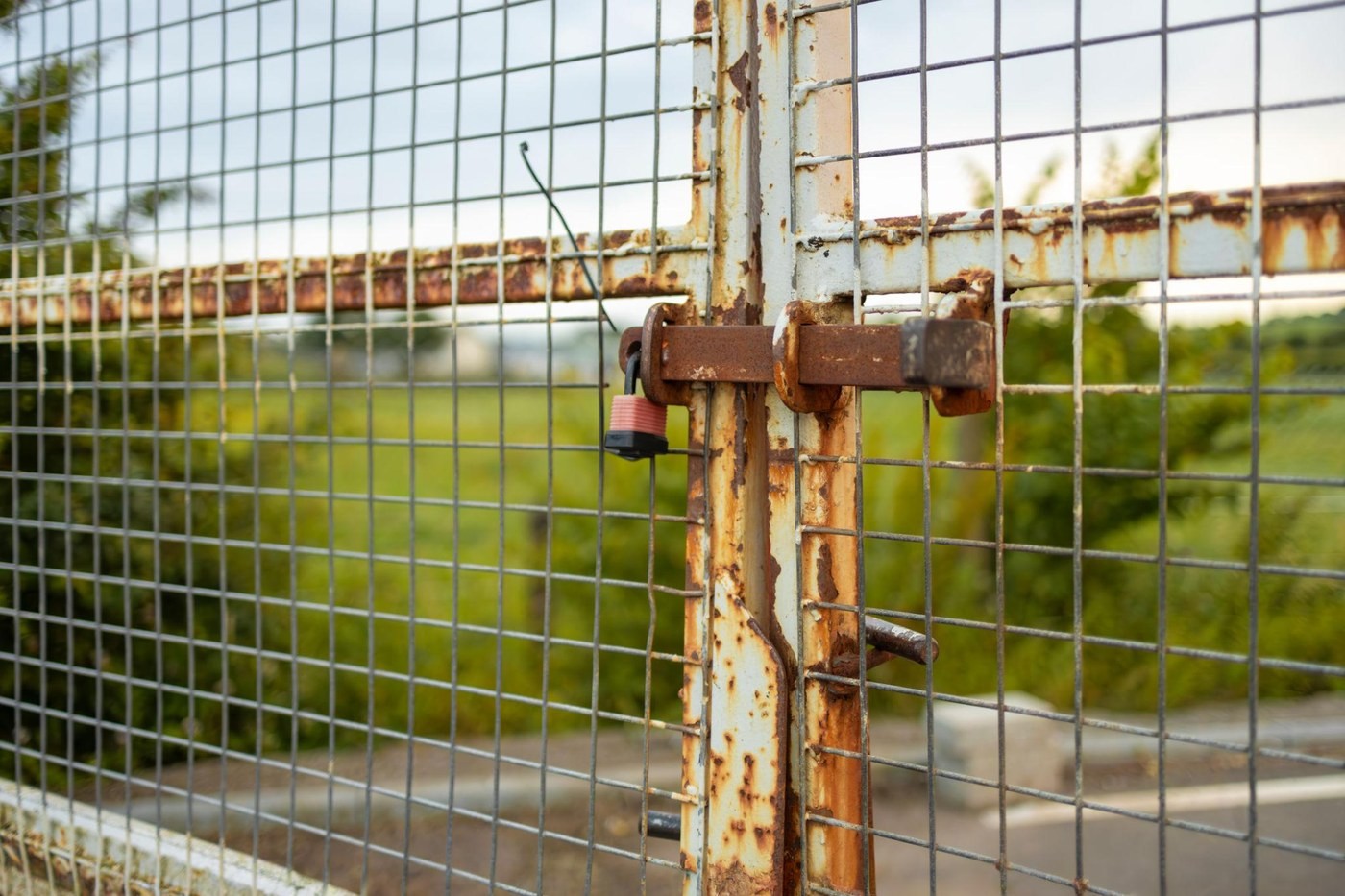
Recomendación de mantenimiento: Una vez que la valla esté en servicio, soldaduras, bordes cortados, sujetadores, bisagras, cerraduras y bases postales deben ser tratados como puntos de inspección clave. Los rasguños, las grietas de recubrimiento y el óxido local deben limpiarse y repararse rápidamente para evitar que la corrosión se disemine hacia el acero circundante.
Para entornos costeros, de alta humedad o contaminados industrialmente, y para zonas de portones con operación frecuente, la frecuencia de inspección debe aumentarse según las condiciones del sitio. Grabar la corrosión, la relajación y el desgaste mecánico como parte del mantenimiento del ciclo de vida ayuda a preservar la apariencia, el rendimiento estructural y la operación de acceso confiable.
08 Protección de la corrosión y tratamiento superficial Detalles
El recubrimiento de metal de alta seguridad comúnmente utiliza galvanización en caliente, recubrimiento de PVC o recubrimiento de polvo para mejorar la resistencia a la corrosión exterior de los componentes de acero. El sistema apropiado debe seleccionarse según la humedad del sitio, la exposición a la sal, la contaminación industrial, los requisitos de apariencia y la vida útil prevista.
La calidad de la ingeniería depende de más que simplemente tener un revestimiento. Preparación básica, uniformidad de recubrimiento, cobertura en soldaduras, protección cortada y daños durante el transporte y la instalación deben ser controlados. En entornos agresivos, un completo sistema de protección de la corrosión puede reducir significativamente las necesidades de reposición, reparación y sustitución de componentes durante la vida del proyecto.
|
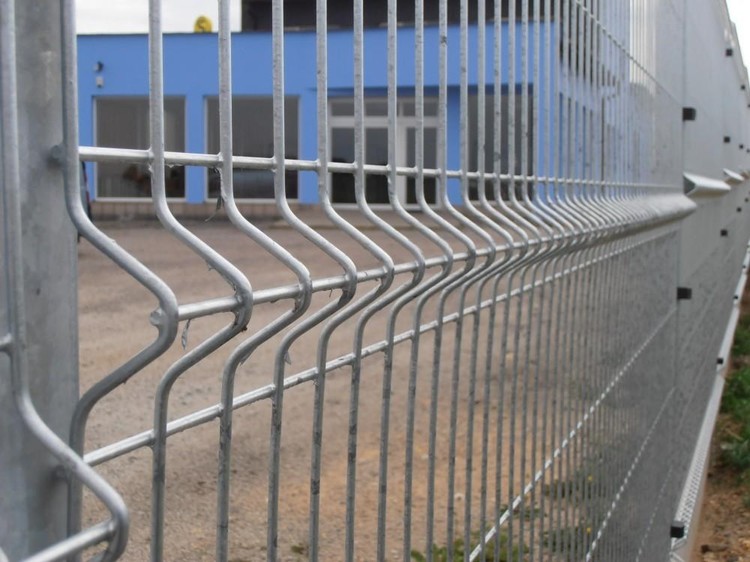
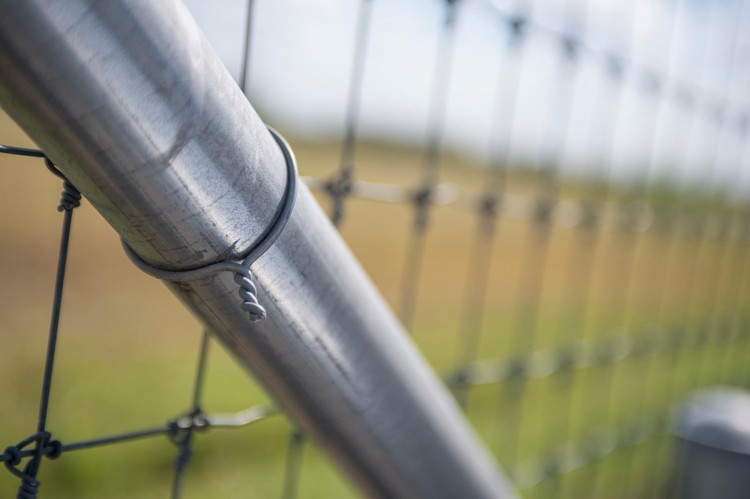
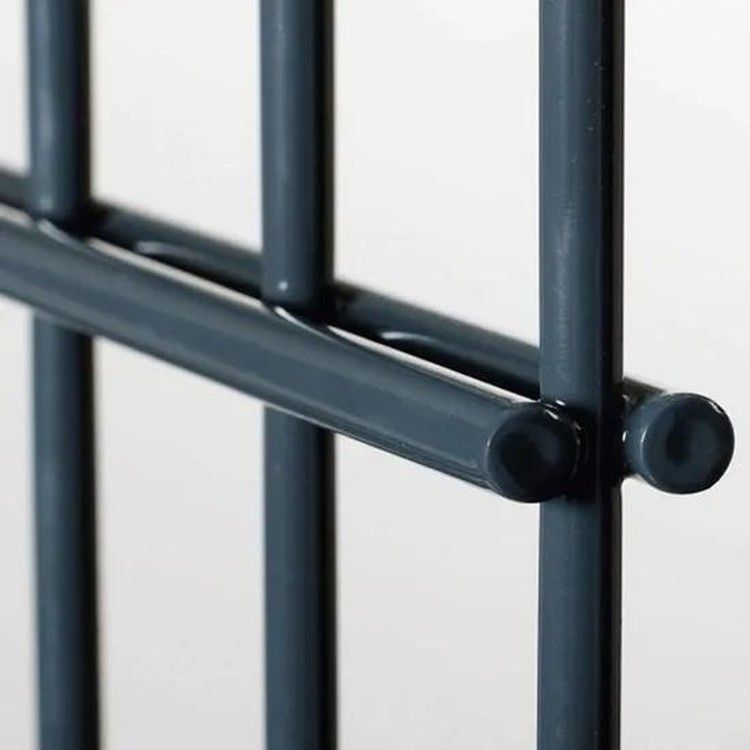
Para el suministro de proyectos, Command Fence se centra en la compatibilidad de paneles de malla, puestos, componentes de conexión y sistemas de puertas, así como requisitos de tratamiento superficial para diferentes entornos operativos. El objetivo es proporcionar un sistema completo de hembras con rendimiento estructural coordinado, protección de la corrosión y compatibilidad de instalación.
Acerca del Comando Fence
Comando Fence se especializa en fabricación y suministro de proyectos de esgrima metálica de alta seguridad para aplicaciones energéticas, industriales, de infraestructura y de alta seguridad. Los sistemas Fence pueden configurarse en torno a los dibujos de proyectos, las condiciones del sitio, las especificaciones del producto, los requisitos de tratamiento superficial y los sistemas de compuerta correspondientes.
La gama de productos incluye 358 hembras anti-clima, hembras de malla soldadas, hembras de enlace en cadena, puertas de vehículos y puertas peatonales. Para grandes proyectos, la producción estable de lotes, la consistencia de componentes, los embalajes de exportación y los detalles completos de conexión son también partes esenciales de la ejecución de proyectos. Command Fence apoya proyectos de seguridad perímetro exterior a largo plazo mediante procesos de fabricación fiables y configuración de productos orientados a ingeniería.
Comando Fence | Soluciones de alimentación de metal de alta seguridad




Responder