Desde el desarrollo del diseño de ingeniería y la configuración del sistema hasta la protección de la corrosión, fabricación y ejecución de proyectos
Seguridad del perímetro diseñado para instalaciones industriales de alto nivel
Este estudio presenta el sistema de esgrima perímetro aplicado en la Terminal de recepción de GNL Wenzhou Huagang. Muestra cómo se combinaron la coordinación de diseño, la selección de productos, la ingeniería de protección de la corrosión, el control de fabricación y la integración del sistema de acceso en una solución completa de seguridad perímetro.
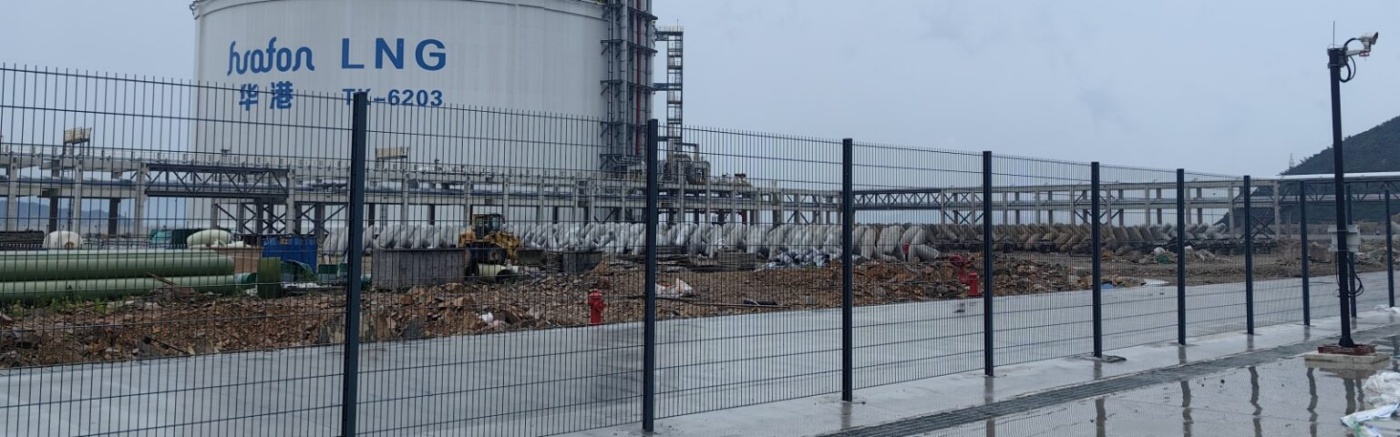
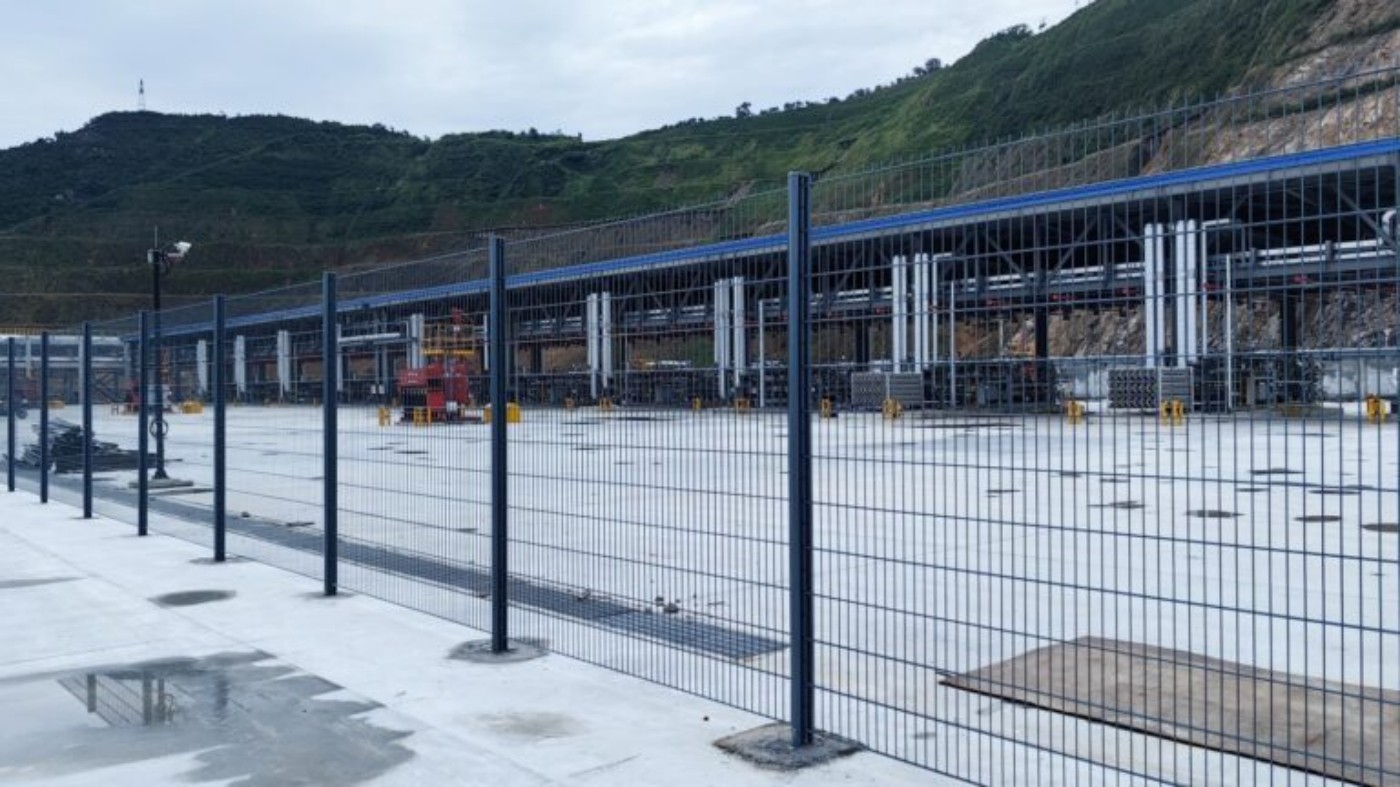
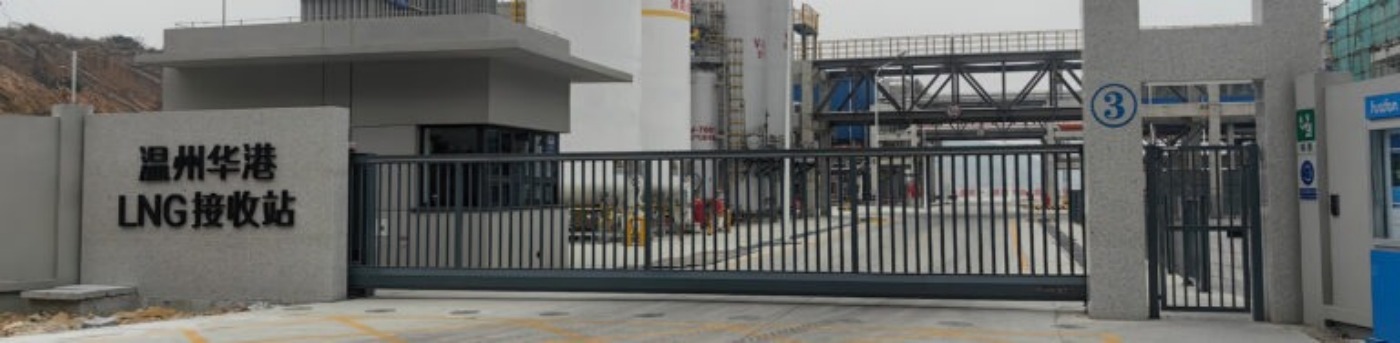
Gráfico 1 | Gancho de perímetro instalado en la terminal de recepción de GNL Wenzhou Huagang
1. Requisitos especiales para el financiamiento de proyectos químicos y de GNL
Las instalaciones químicas, y especialmente las terminales receptoras de GNL, imponen requisitos sustancialmente mayores en el esgrima perímetro que los sitios industriales o comerciales ordinarios. La valla no es sólo un límite físico y una barrera de seguridad; también afecta la apariencia de las plantas, el funcionamiento y mantenimiento a largo plazo, la organización de control de acceso y la inspección y aceptación final del proyecto.
Para una instalación de GNL como el terminal Wenzhou Huagang, el sistema perímetro debe proporcionar seguridad, durabilidad, flatness de panel, consistencia visual y operación coordinada con puntos de acceso peatonal y vehicular. Por lo tanto, el requisito del proyecto no es simplemente encerrar el sitio, sino garantizar un servicio estable a largo plazo y una calidad de instalación acorde con las normas de ingeniería industrial.
Los paneles de malla permanecerán planos y rígidos, con soldaduras de sonido y líneas de valla rectas después de la instalación.
Los puestos y los marcos de puertas proporcionarán suficiente rigidez estructural para resistir la deformación permanente durante el servicio a largo plazo.
El acabado en polvo será uniforme en color y apariencia en todo el proyecto completo.
Los paneles Fence, las puertas peatonales y las puertas del vehículo forman un sistema estructural y visual coordinado.
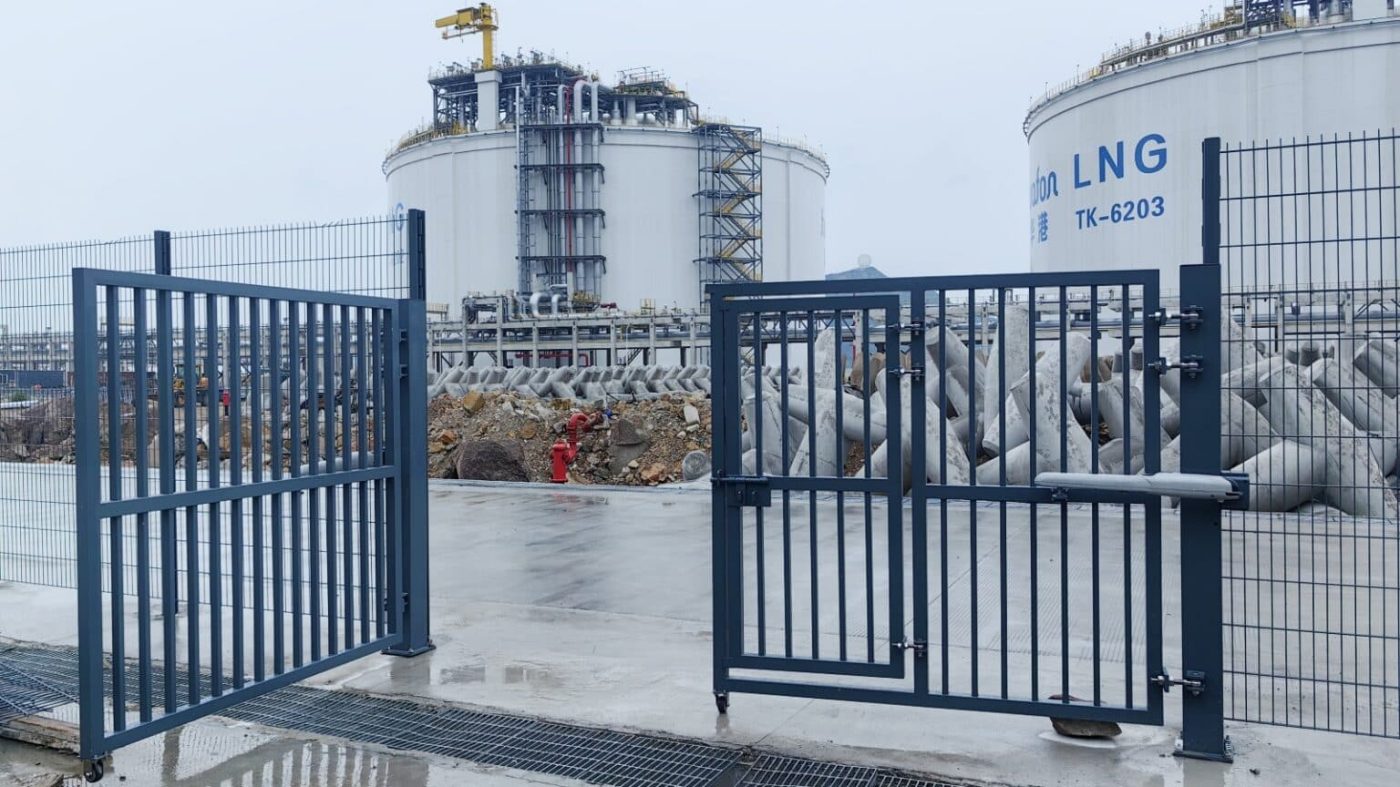
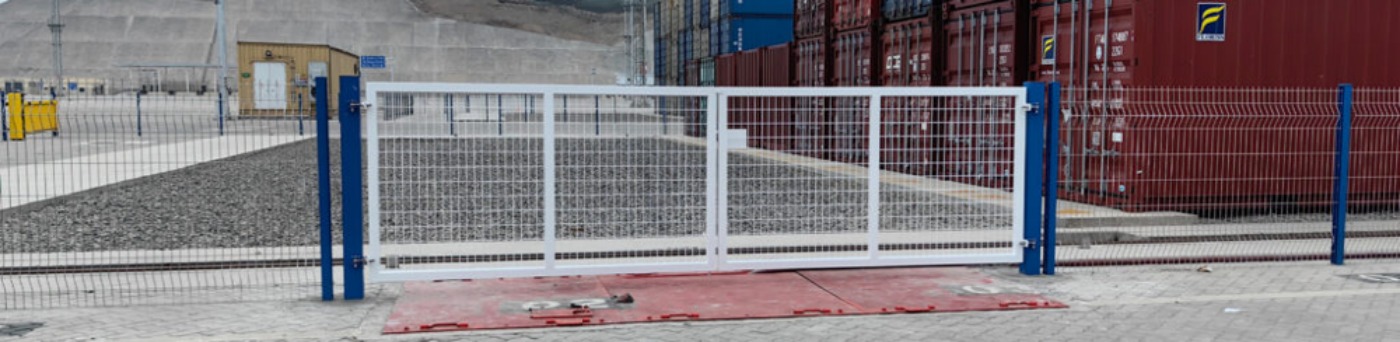
Gráfico 2 | Aplicación integrada de una puerta peatonal y perímetro cerca dentro de la instalación de GNL
2. Etapa de diseño de ingeniería: De la planificación maestra a los parámetros de construcción
El concepto de esgrima perimetral debe desarrollarse durante la etapa de diseño de ingeniería temprana. Al preparar el plan maestro, el consultor de diseño debe coordinar la zonificación funcional, la circulación por carretera, los puntos de acceso, las fronteras de seguridad, el acceso al motor de incendios y las rutas de emergencia. Debido a que la valla forma parte del sistema de eliminación del sitio y del sistema de seguridad física, la selección tardía del producto puede resultar en especificaciones inadecuadas, espacio de instalación restringido o conflictos entre puertas, carreteras y equipos de control de acceso.
Para los institutos de diseño de ingeniería y los contratistas de EPC, el proveedor más valioso no es una empresa que sólo vende productos estándar, sino un socio técnico capaz de convertir los requisitos de dibujo en detalles manufacturables e instalables. Los ingenieros de CommandFence pueden proporcionar recomendaciones específicas para proyectos que abarcan altura de cerca, configuración de malla, sección de correos, apertura clara de puertas, sistema de protección de corrosión, detalles de conexión e interfaces de fundación.
Defina la alineación de la valla, los límites del perímetro y las zonas de seguridad funcionales durante la etapa de planificación maestro.
Coordinar la entrada principal, acceso al fuego, rutas de personal y sistema de cerca perímetro como un diseño integrado.
Convertir especificaciones de producto, clases de protección de la corrosión y arreglos de fundación en parámetros listos para la adquisición, listos para la fabricación y listos para la instalación.
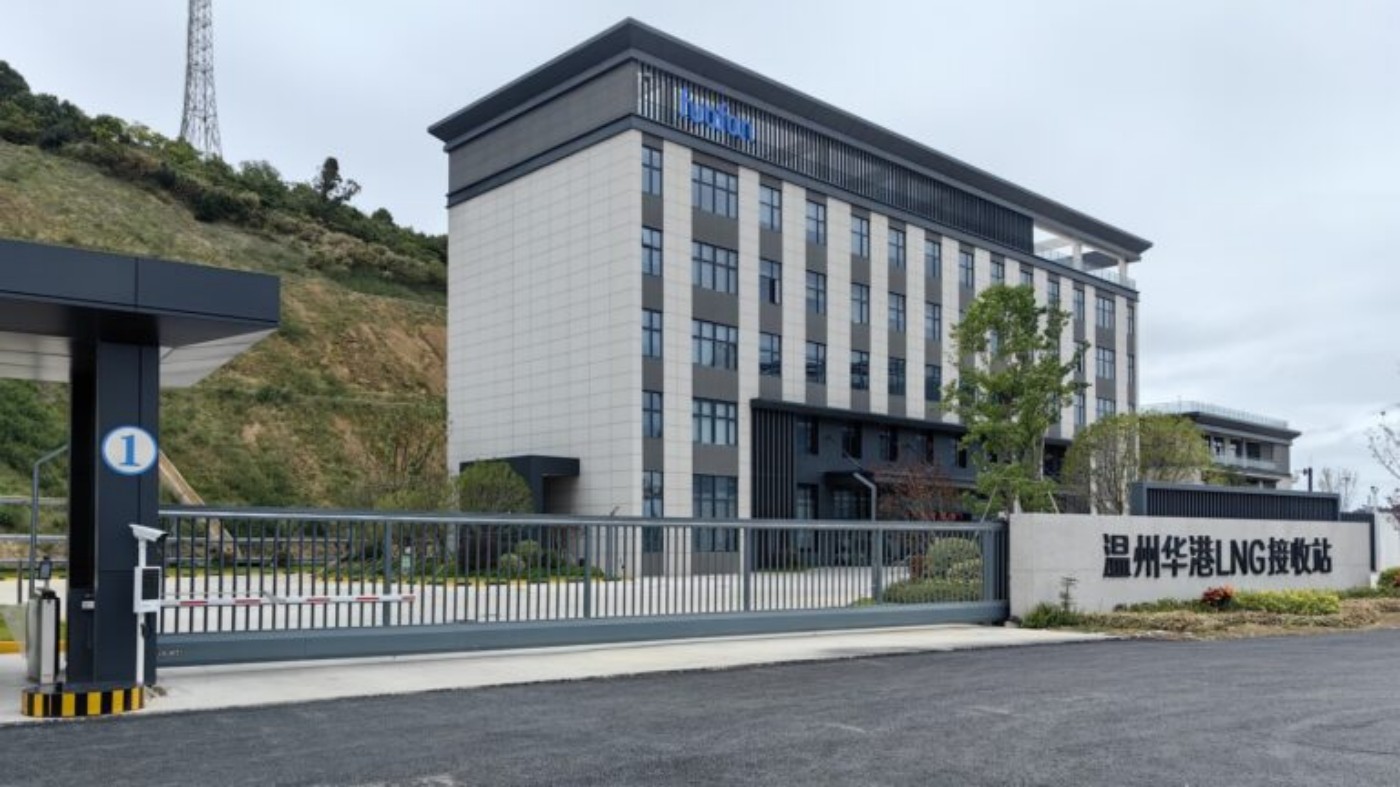
Gráfico 3 | Interfaz principal de entrada e imagen del sitio en la Terminal de recepción de GNL Wenzhou Huagang
3. Por qué los propietarios aplican más requisitos de calidad de Fence
Los proyectos químicos y de GNL implican una alta inversión de capital, ciclos de vida largos y estrictos estándares de gestión. Por lo tanto, los propietarios evalúan el esgrima perímetro en más del precio inicial de compra. En servicio continuo al aire libre, paneles deformados, postes inclinados, variación de color recubrimiento o operación de puerta inestable puede afectar directamente la gestión de seguridad y la imagen profesional de la instalación.
Los puntos de inspección típicos del propietario incluyen aspecto de recubrimiento, rigidez del material, flatness del panel, estabilidad del post, detalles de conexión y rendimiento de funcionamiento de la puerta. Dentro de la planta, líneas de valla rectas, espaciamiento de postes uniformes y color consistente proporcionan una indicación inmediata de calidad de fabricación y control de instalación.
Gráfico 4 | Cierre interno de malla soldada con paneles planos y puestos con precisión
4. Sistema de Corrección-Protección: Diseñado para la exposición del sitio y normas aplicables
La protección de la corrosión es uno de los requisitos técnicos más críticos para instalaciones químicas y de GNL. Recibir terminales y plantas de proceso están frecuentemente expuestas a condiciones húmedas, atmósferas costeras, contaminantes industriales y climatización continua al aire libre. Un sistema de protección inadecuado puede llevar a la corrosión, la pérdida de brillo, la delamación del revestimiento y el mantenimiento prematuro, afectando tanto la seguridad como la apariencia.
CommandFence puede definir el material base, el requisito de cinc y el sistema de recubrimiento externo según el entorno de exposición del proyecto y los estándares nacionales aplicables y las especificaciones técnicas. Para sitios costeros o altamente corrosivos, paneles, postes, compuertas, corchetes, conectores y sujetadores deben ser diseñados como un sistema de protección completo en lugar de mejorar el tratamiento superficial de un solo componente.
Seleccione el proceso de galvanización y la masa de cinc según las condiciones de exposición del sitio.
Utilice un sistema de recubrimiento de polvo de grado exterior con adhesión adecuada, resistencia al tiempo y retención de color.
Aplicar control de calidad mejorado a bordes cortados, áreas soldadas, conectores, bisagras y otros componentes de puerta móvil.
Defina el sustrato, recubrimiento de zinc, espesor de recubrimiento, método de inspección y criterios de aceptación en la documentación técnica.
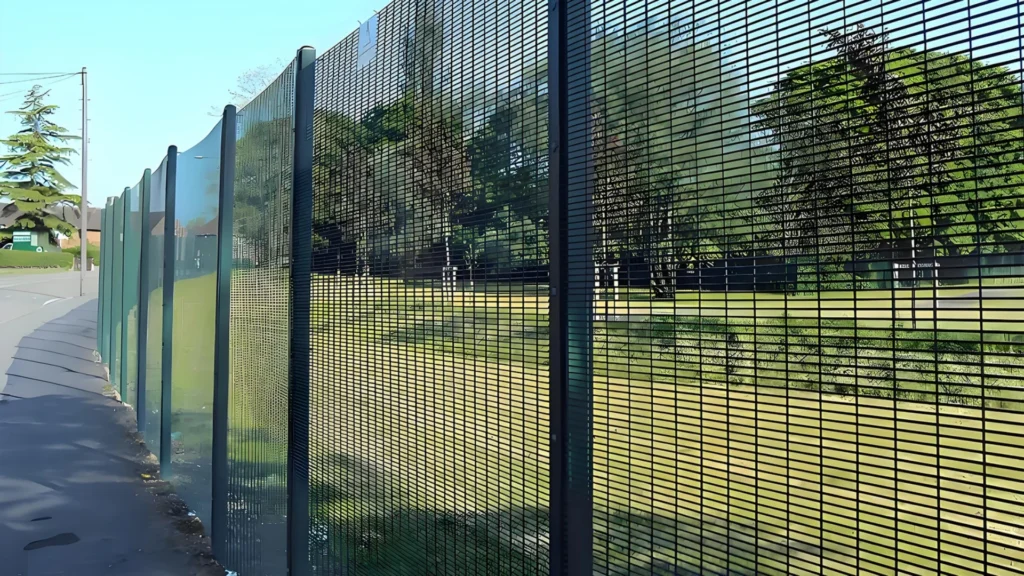
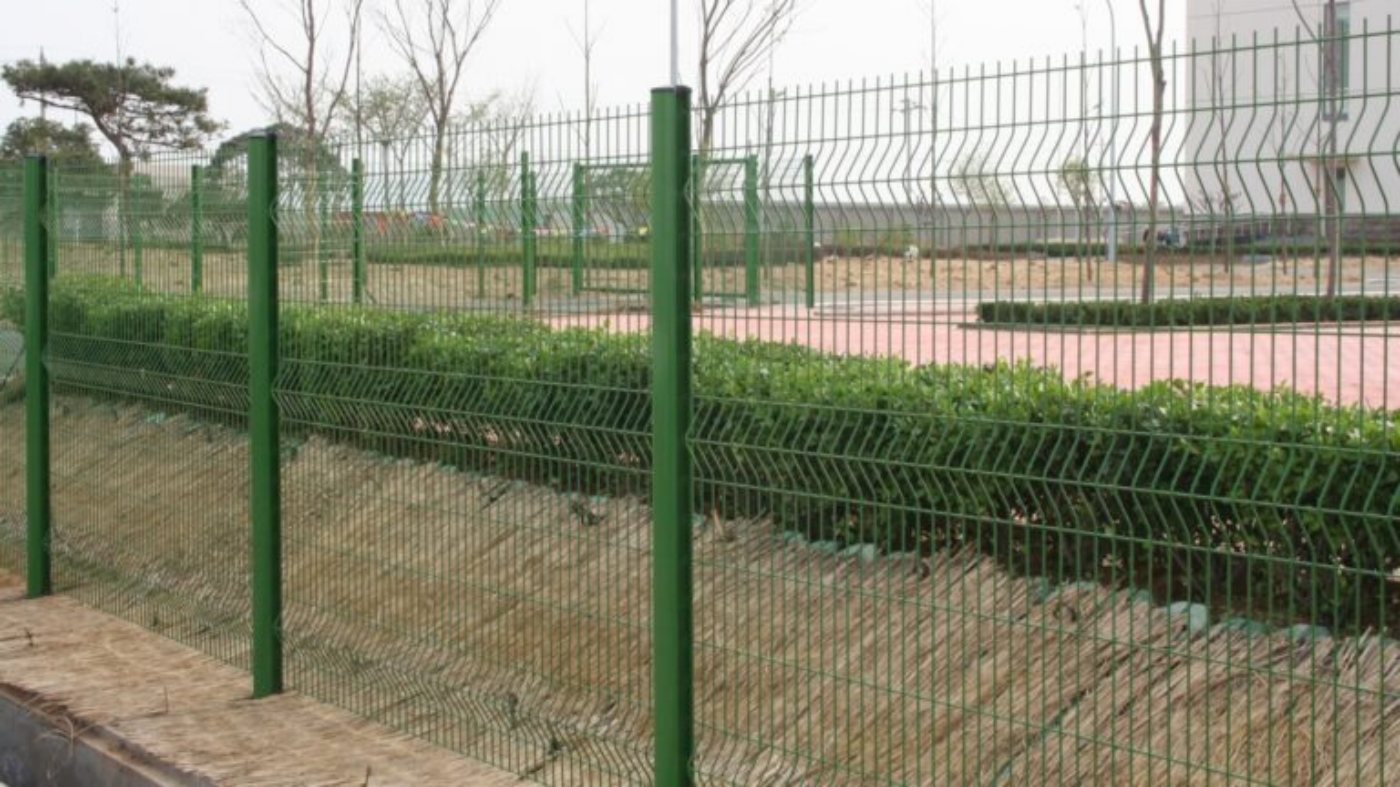
Gráfico 5 | cerca de malla soldada 3D V-bend aplicada alrededor de un área ajardinada dentro de la instalación
5. Configuración recomendada de alimentación y sistema de acceso
La terminal de recepción de GNL Wenzhou Huagang no confía en un tipo de valla estándar. Las vallas soldadas de malla, los paneles reforzados V-bend, las puertas peatonales y las puertas del vehículo se combinan según el nivel de protección, la función de tráfico, la frecuencia de operación y los requisitos visuales de cada zona.
Zona de aplicación
Sistema recomendado
Función de ingeniería primaria
Perímetro principal, áreas de proceso y límites de tanques
Movimiento de personal controlado, integración de hardware y continuidad visual con paneles de cerca adyacentes
5.1 2DT Fuerza de malla soldada doble
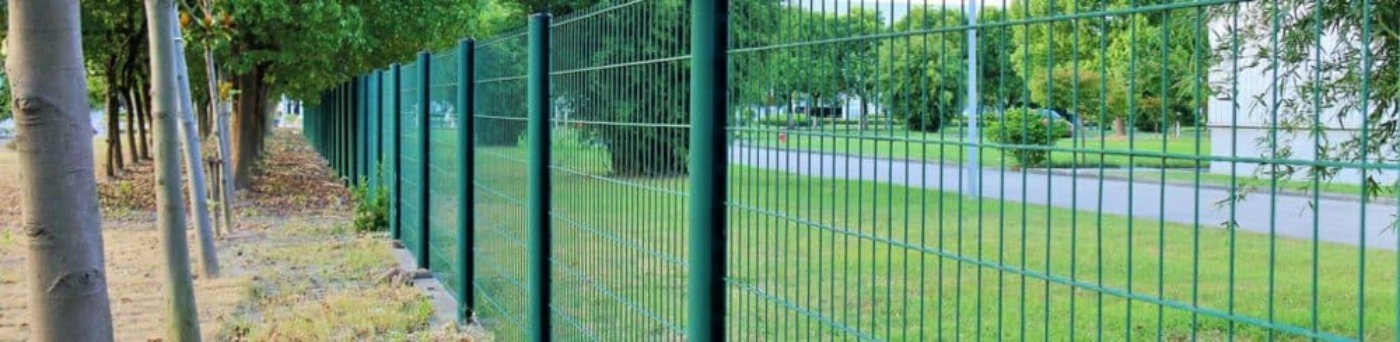
El sistema 2DT utiliza alambres horizontales gemelos para aumentar la rigidez del panel y la flatness general. Es adecuado para los perímetros del sitio de GNL, los límites de la zona de proceso, la protección del tanque y otros lugares donde se requiere una línea de valla recta y rígida. La estructura de doble hilo reduce la distorsión de grandes paneles durante el transporte y la instalación.
Alta rigidez del panel para largas carreras de perímetro industrial.
Aspecto plano y recto adecuado para proyectos químicos de alta calidad.
Compatible con puestos dedicados, accesorios de conexión, portones peatones y portones de vehículos.
Recomendado para áreas clave de proceso, zonas de almacenamiento y protección del perímetro principal.
Gráfico 6 | 2DT sistema de cierre de malla soldado de doble alambre
5.2 3DT V-Bend Welded Mesh Fence
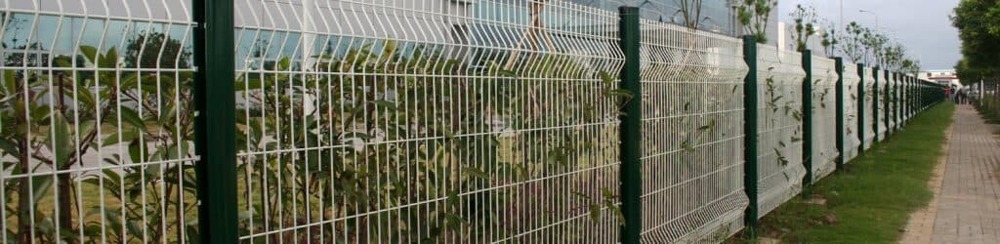
La valla 3DT incorpora V-bends formados que actúan como costillas de refuerzo, mejorando la estabilidad del panel manteniendo al mismo tiempo el uso eficiente del material. Sus líneas limpias y buena visibilidad lo hacen adecuado para zonas ajardinadas, perímetros de oficina, instalaciones auxiliares y separación interna general.
Las curvas de refuerzo formadas mejoran la resistencia del panel a la deflexión.
Apariencia abierta y ligera para áreas que requieren tanto separación como integración visual.
Instalación modular eficiente para secciones de bordes secundarios largos.
Gráfico 7 | Sistema de cerca de malla soldada 3DT V
5.3 TCG Puerta de deslizamiento sin rastreo
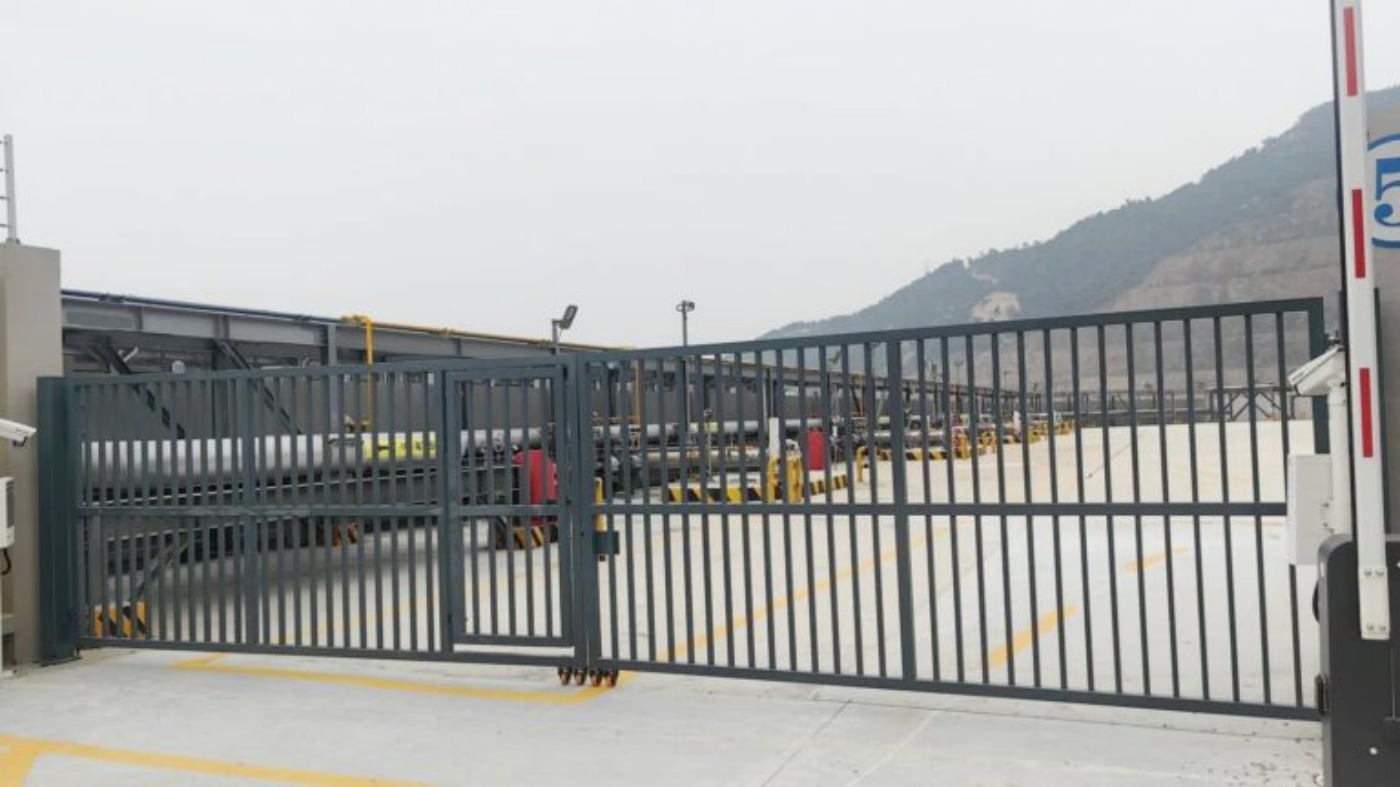
Para la entrada principal del vehículo, una puerta corredera sin carril evita los problemas de drenaje, contaminación y mantenimiento asociados con un carril de tierra. La estructura de puertas autoapoyo es adecuada para las entradas de GNL que requieren un funcionamiento estable, una amplia apertura clara y una gestión de acceso automatizada.
Sin pista de tierra, reduciendo los efectos del agua, sedimento y pavimento desigual.
Adecuado para grandes aperturas de vehículos y tráfico de alta frecuencia.
Puede la interfaz con control de acceso, operación remota, identificación de vehículos y dispositivos de protección de seguridad.
El encuadre de puerta, el color y el trabajo de línea se pueden coordinar con la cerca perimetral adyacente.
Gráfico 8 | Puerta corredera de cañón sin huella TCG en la entrada principal del vehículo
5.4 DSG Double-Leaf Swing Gate
La puerta giratoria DSG de doble hoja es adecuada para el acceso al motor de fuego, las rutas de mantenimiento del equipo y las entradas auxiliares de vehículos que requieren una gran apertura clara. Las dos hojas proporcionan un ancho de apertura flexible y se pueden configurar para el funcionamiento manual, alimentado o semiautomático según las condiciones del sitio.
Adecuado para el acceso de emergencia, el tráfico de mantenimiento y las rutas de transporte de equipos.
Apertura clara se puede personalizar según geometría de carretera y sobre de vehículo.
Marco de puerta, postes de puerta y bisagras se pueden reforzar según frecuencia de operación y carga de viento.
Se puede equipar con pernos de gota, cerraduras mecánicas, cerraduras electromagnéticas o hardware de bloqueo especificado por proyecto.
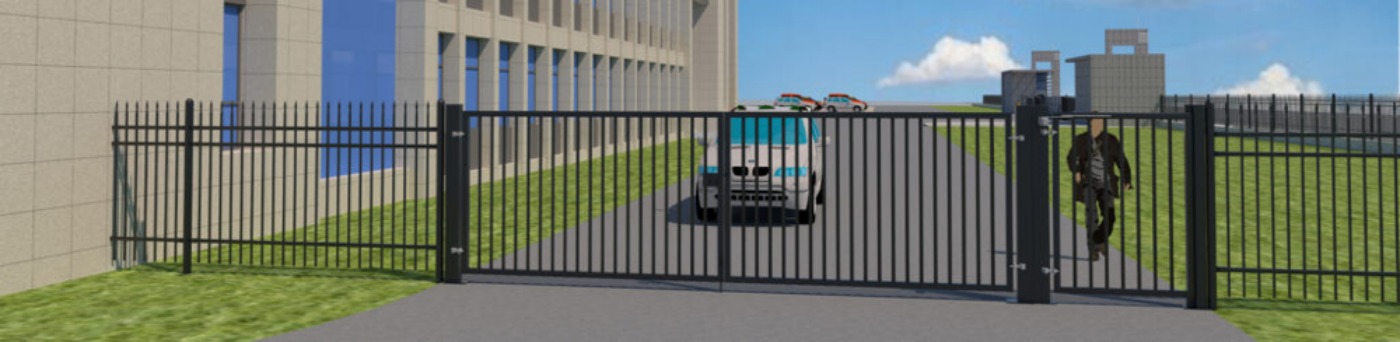
Gráfico 9 | Puerta de doble hoja DSG para el acceso auxiliar del vehículo
5.5 SSG Single-Leaf Pedestrian Gate
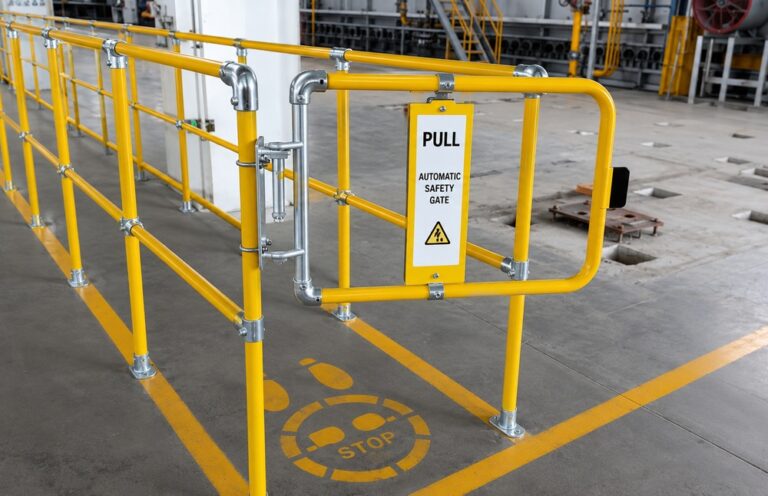
La puerta peatonal SSG de una sola hoja está destinada al acceso rutinario del personal, las rutas de inspección, las zonas internas controladas y el egreso de emergencia. En proyectos químicos, la puerta debe funcionar suavemente mientras permanece consistente con la altura de la valla adyacente, el patrón de malla, el color de recubrimiento y los requisitos de control de acceso.
Adecuado para acceso al personal, rutas de inspección y zonas de gestión local.
Puede equiparse con cerraduras de palanca, pernos de gota, cerraduras electromagnéticas, hardware de pánico o cerca de la puerta.
Los bisagras ajustables y los postes de puerta reforzados soportan la alineación y durabilidad a largo plazo.
Manufactured as part of the complete fence system to maintain a consistent project appearance.
Gráfico 10 | Puerta peatonal SSG integrada con la valla perímetro
Nota de integración del sistema: Los productos 2DT, 3DT, TCG, DSG y SSG no deben ser tratados como artículos independientes no relacionados. Deben configurarse como un sistema perímetro completo. El consultor de diseño define niveles de protección y requisitos de tráfico, mientras que CommandFence desarrolla los detalles de conexión, dimensiones, protección de la corrosión, interfaces de puerta y especificaciones de fabricación.
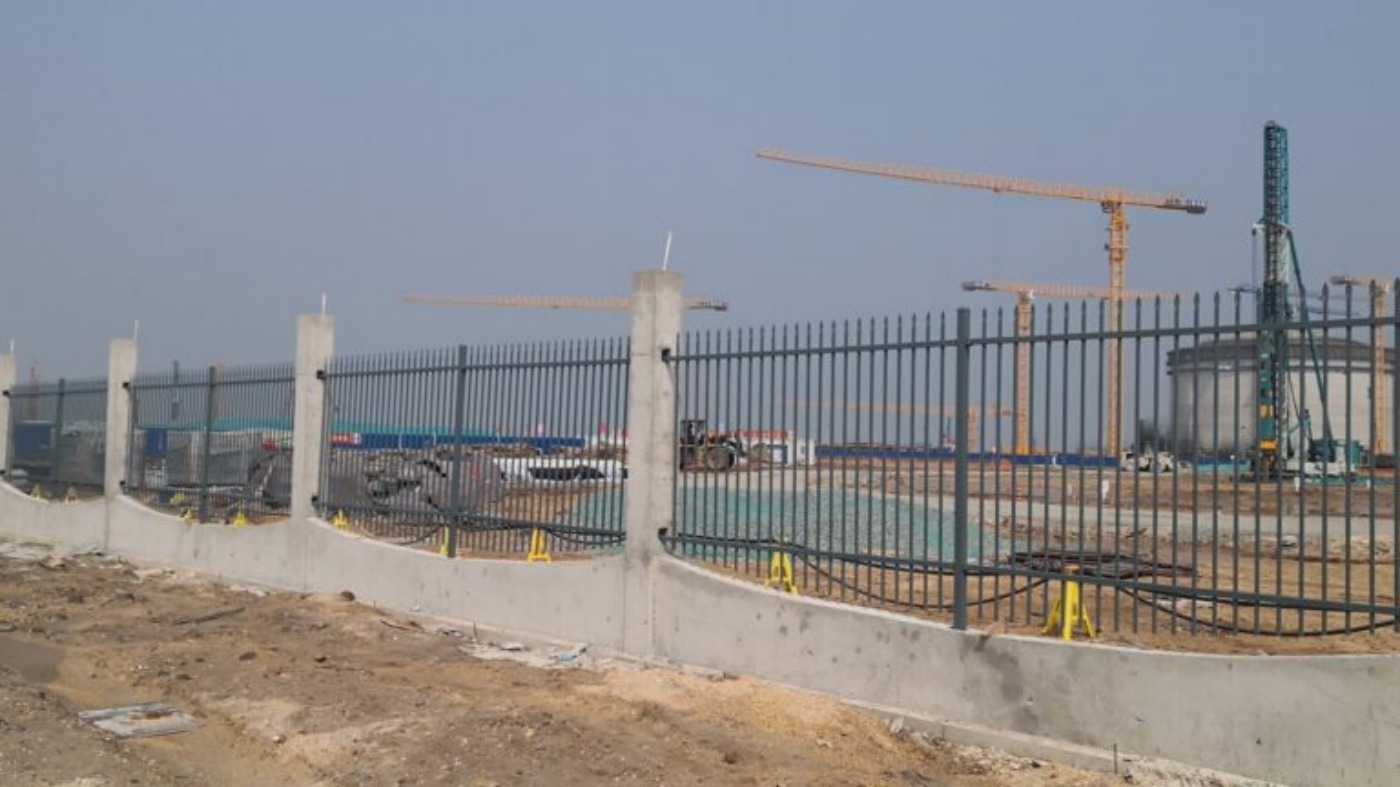
Gráfico 11 | Cierre de perímetro y fundación de hormigón durante la etapa de construcción
Gráfico 12 | Puerta colgante de doble hoja instalada en una entrada del vehículo del proyecto
6. CommandFence Design Development, Manufacturing y Delivery Process
Para proyectos químicos, el valor de un fabricante de esgrima se extiende más allá del suministro de productos. Incluye la capacidad de coordinar el desarrollo técnico, la fabricación, el embalaje y la entrega del sitio. Basado en los documentos de diseño y los requisitos de proyecto, CommandFence puede ayudar a definir tipos de cerca, arreglos de puertas, dimensiones, detalles estructurales, configuraciones de protección de corrosión e interfaces de instalación antes de que comience la producción.
Requirement Review: Revisar dibujos, longitudes del perímetro, aperturas claras de puertas, zonificación funcional y condiciones de exposición ambiental.
Engineering Development: Confirme paneles de malla, puestos, nodos de conexión, fundaciones, estructuras de puertas e interfaces de equipo.
Muestra y aprobación de color: Verifica material, color recubrimiento, acabado, hardware y detalles de construcción críticos.
Control de fabricación: Calidad de soldadura de control, flatness de panel, rectitud post, tolerancias dimensionales y precisión de marco de puerta.
Embalaje y entrega: Organizar paquetes clasificados de acuerdo a los requisitos de transporte y la secuencia de instalación de sitio prevista.
Project Stage
Productos de ingeniería
Coordinación del diseño
Adaptación de fuerzas, zonificación de seguridad, emplazamientos de puertas, aperturas claras, interfaces de fundación y coordinación de control de acceso
Desarrollo técnico
Especificación del panel, sección de correos, detalles de conexión, estructura de puertas, sistema de recubrimiento, cierres y requisitos de instalación
Fabricación e Inspección
Inspección Dimensional, calidad de soldadura, flatness de panel, rectitud post, operación de puerta, inspección de recubrimiento y control de compatibilidad del sistema
Embalaje y entrega
identificación de componentes, embalaje por etapas, protección del transporte, organización de secuencia de instalación y documentación de proyectos
7. Principales ventajas de CommandFence for Chemical and LNG Projects
Engineering Design Coordination: Capacidad para convertir los requisitos de planificación maestro y seguridad en parámetros de cerca y puerta.
Comprensión de la exposición de planta química: Consideración integrada de seguridad, durabilidad, resistencia a la corrosión y apariencia de proyecto.
Configuración completa del sistema: Desarrollo coordinado de paneles, puestos, puertas peatonales, puertas de vehículos, accesorios y interfaces de control de acceso.
Control de fabricación y entrega: Enfóquese en la plana del panel, la rigidez post, la precisión de la puerta, la calidad del revestimiento, el embalaje y la secuencia de instalación.
Producción basada en estándares: Manufactura y control de calidad organizado de acuerdo con las normas aplicables y las especificaciones técnicas del proyecto.
Valor de ingeniería de CommandFence
01 · ENGINEERING DEVELOPMENT
De la Intención de Diseño a los detalles
La alineación de Fence, especificación de paneles, estructura de correos, interfaces de puertas, fundaciones y protección de la corrosión se desarrollan como un paquete de ingeniería coordinado.
02 · PERIMETER SYSTEM
Los productos Fence y Gate trabajan juntos
Las vallas de malla soldadas, postes, accesorios, puertas peatonales, portones de vehículos y interfaces de control se configuran según el riesgo de zona y los requisitos de tráfico.
03 · FABRICATION CONTROL
Calidad Visible en la Línea de Fence Instalada
Soldadura, flatness de panel, rectitud post, tolerancias de puerta, consistencia de recubrimiento y compatibilidad de hardware se controlan a lo largo de la producción.
04 · PROYECTO DE DIVULGACIÓN
Consistencia de fábrica a sitio
La identificación clara de componentes, el embalaje gradual, la protección del transporte y la orientación de la instalación reducen las lagunas de información entre diseño, suministro y construcción.
8. Conclusión
La terminal de recepción de GNL de Wenzhou Huagang demuestra que el esgrima perímetro en un proyecto químico no es una compra accesoria menor. Debe coordinarse a lo largo del ciclo completo del proyecto, desde el diseño temprano y la selección de productos hasta la ingeniería de protección de corrosión, fabricación, entrega e instalación del sitio. Una solución perimetral exitosa debe proporcionar separación de seguridad confiable y durabilidad a largo plazo manteniendo un aspecto industrial limpio y profesional.
Como fabricante chino de metales con capacidad de ingeniería de proyectos, CommandFence proporciona más que productos estándar de cerca. Al combinar 2DT y 3DT con productos de acceso a malla soldada con TCG, DSG y SSG, CommandFence puede apoyar institutos de diseño, contratistas de EPC y propietarios con un sistema completo de seguridad perímetro para terminales de GNL, plantas químicas, instalaciones energéticas y otros proyectos industriales de alta calidad.





Responder