
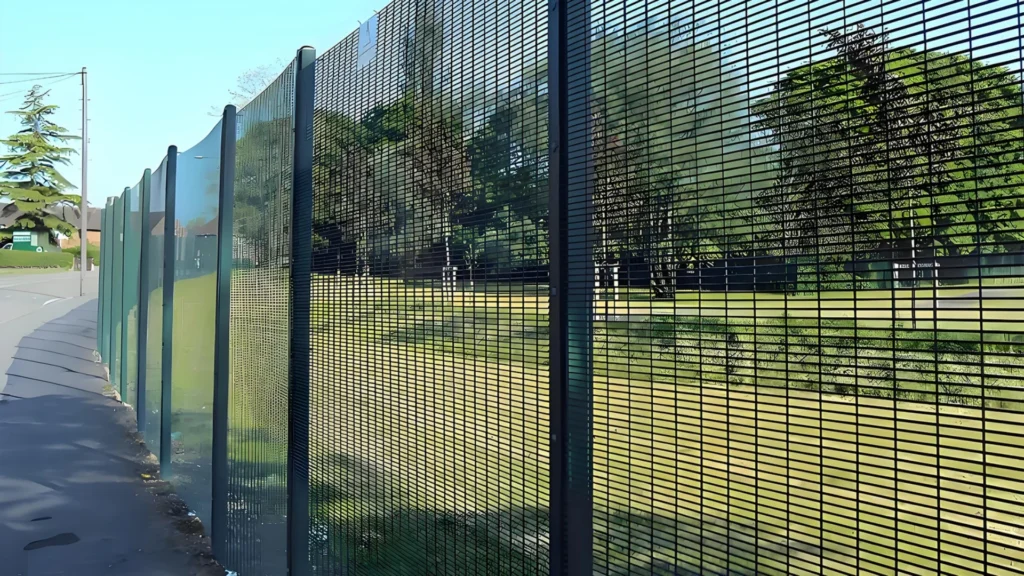
Define the enclosure.Plan the terrain and supports.
Separate land boundaries, animal enclosures, equipment yards and agricultural entrances. Select the mesh and supporting system around the actual use rather than height alone.
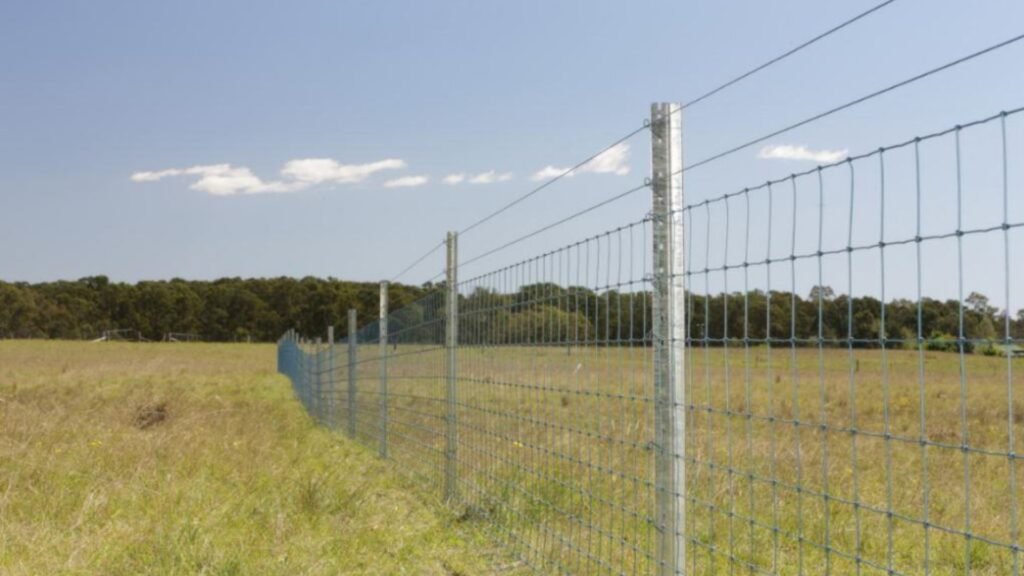
Resolve the engineering questions first
Use the actual layout, operating conditions and installation interfaces to define the complete fence system.
Animals & use
For livestock, describe species, size, young animals and expected contact. Review openings, bottom treatment and support requirements around that use.
Terrain & tensioning
Mark slopes, ditches, corners and ends. Identify terminal posts, bracing and tensioning sections rather than ordering roll length alone.
Vehicle access
Use the required clear opening, agricultural vehicle movements and ground slope to review gates, posts, hinges and closing arrangements.
Product availability
Distinguish general boundary products from animal-specific fencing. Agricultural photographs alone do not establish an available product specification.
Compare products against the resolved requirements
These are starting points for selection. Review the actual configuration, supporting components and interfaces before confirming a product.
| Product | Relevant Use | Review Together |
|---|---|---|
| BS/EN HDG Chain Link Fencing → | General boundaries and working-area separation | Mesh opening, wire size, roll length and bracing |
| BS/EN PVC Coated Chain Link Fencing → | Boundaries requiring a coated mesh finish | Coating, exposure and supporting components |
| 3DT Metal Fence Mesh → | Equipment and storage-area boundaries | Panel height, posts and ground clearance |
| DSG Double Panel Side-hung Swing Gate → | Farm vehicle entrances | Gate width, swing space, posts and ground levels |
Confirm dimensions, component quantities, coating and drawing revisions. A product name alone does not define the complete supply or establish project compliance.
From site information to an agreed supply schedule
Close the technical questions and confirm the document revision before releasing the supply schedule.
Describe the enclosure
Explain land use and any animal-related requirements.
Map the boundary
Mark lengths, terrain, corners, ditches and entrances.
Review the complete system
Coordinate mesh, posts, bracing, tensioning and gates.
Confirm supply & handling
Check the section list, packing, delivery and installation arrangements.
Explore the details behind the decision.
Selected articles and applications related to your cooperation needs.
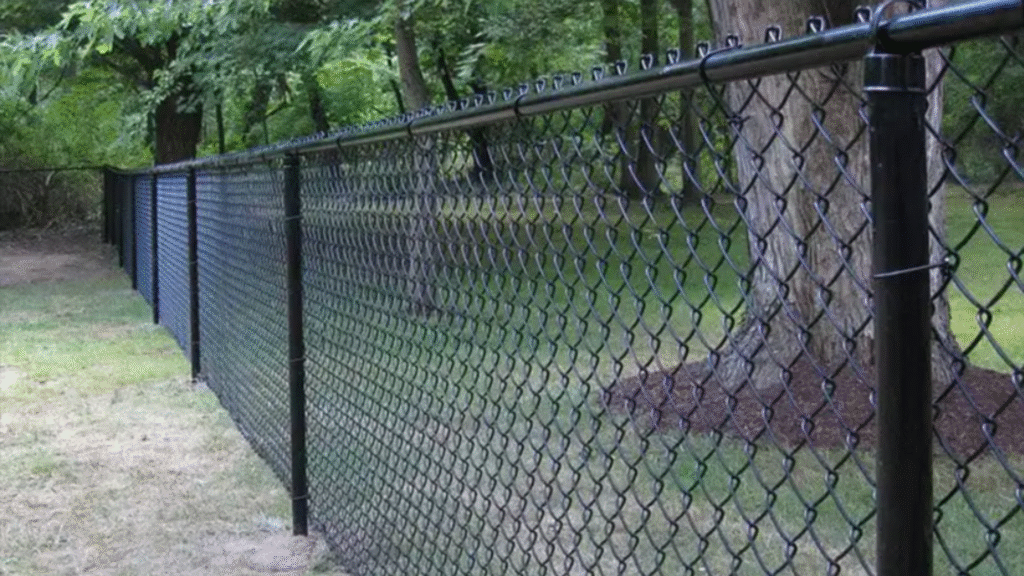
Woven & Welded Wire Choices
Read about wire-fence construction, supporting components and differences between woven and welded systems.
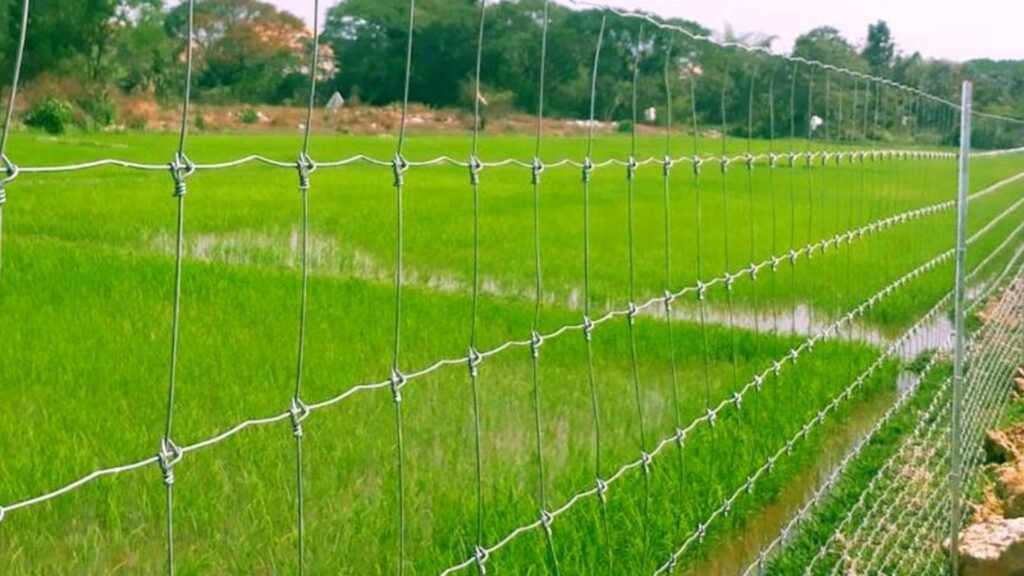
Farming & Forestry Applications
Explore rural boundary planning, original agricultural fence photographs and the information needed for a site review.
A useful starting point.
Send the current site information and identify what remains open. We can then review the configuration, component scope and interfaces.
- Location, land use and boundary purpose
- Animal species, size and expected contact where relevant
- Section lengths, terrain photographs and a boundary sketch
- Vehicle clear openings, finish and delivery conditions
Discuss Your Farm Layout
Contact Command Fencing with your requirements to discuss the appropriate products and supply scope.
Before we start.
Is general chain link suitable for every livestock enclosure?
No. Review animal behavior, openings, support and the intended enclosure before selecting a system.
Can discussion start with photos and approximate lengths?
Yes. Add a sketch marking corners and entrances so the missing measurements and details can be identified.
Is enough mesh roll length a complete order?
No. Posts, bracing, tensioning, fixings and gates need their own quantities, and terrain affects the layout.

