
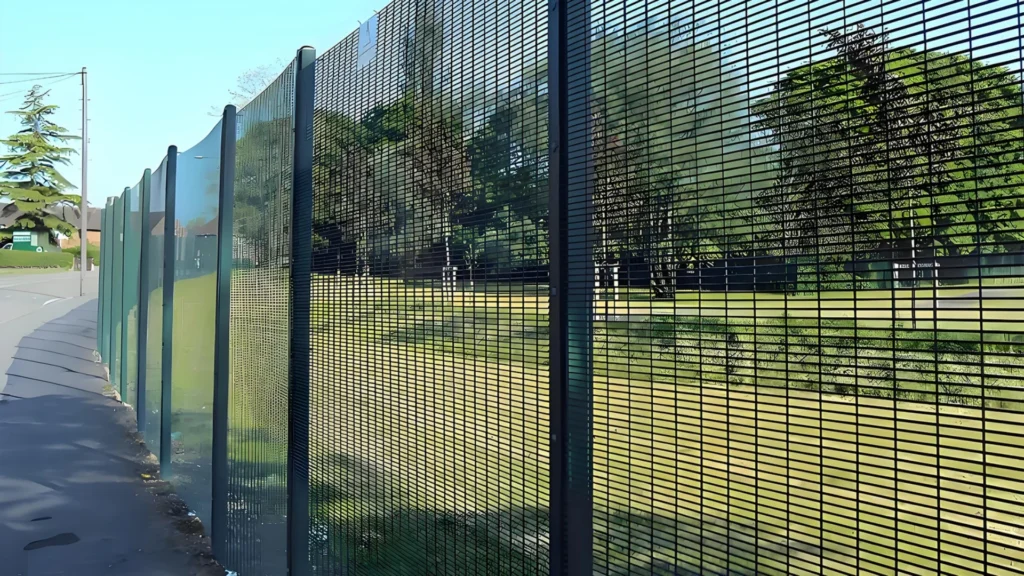
Define each boundary.Plan the complete system.
Separate public frontages, service areas and restricted equipment zones before selecting a fence. Start with site conditions and access needs, then coordinate mesh, posts, gates and the installation scope.
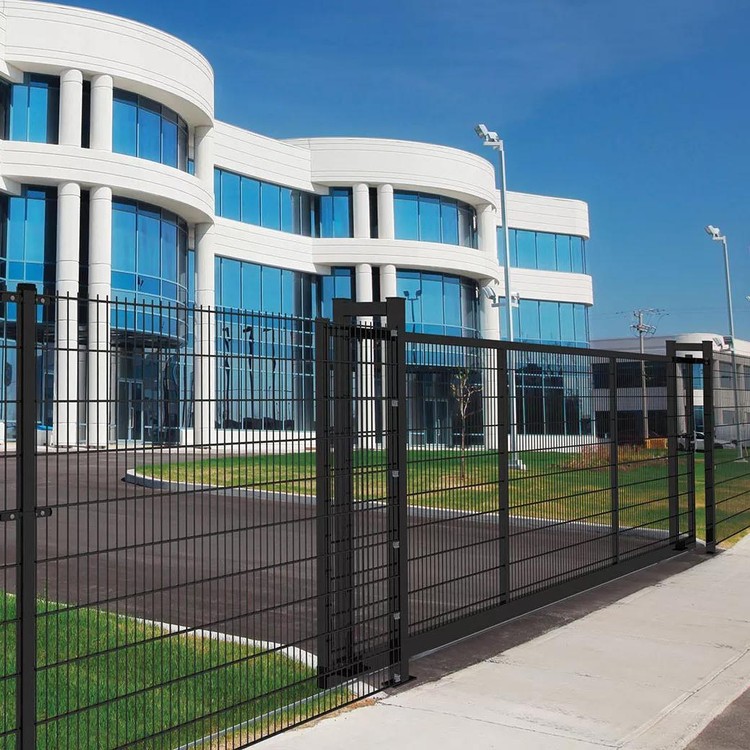
Resolve the engineering questions first
Use the actual layout, operating conditions and installation interfaces to define the complete fence system.
Boundary function
Mark each zone: visual boundary, pedestrian separation, vehicle access or restricted equipment. Record the required height and sightlines.
Posts & foundations
Identify slopes, wall interfaces and available foundation space. Adding privacy screens changes wind exposure and requires a review of posts and foundations.
Gates & movement
Specify the clear opening, vehicle approach, opening direction and available swing or sliding space.
Exposure & maintenance
Describe coastal, wet or irrigated conditions. Review coating requirements, replaceable panels and matching spare fittings.
Compare products against the resolved requirements
These are starting points for selection. Review the actual configuration, supporting components and interfaces before confirming a product.
| Product | Relevant Use | Review Together |
|---|---|---|
| 2DG Metal Fence Mesh → | School, commercial and general facility boundaries | Rigid double-wire panels and open sightlines |
| 3DT Metal Fence Mesh → | General boundaries and landscaped areas | V-bend mesh, post arrangement and ground levels |
| FR Square Tube Fence → | Public-facing and architectural boundaries | Appearance, color and matching entrance details |
| 358G 2D Metal Fence Mesh → | Equipment and restricted-access areas | Small-aperture mesh, connections and perimeter continuity |
Confirm dimensions, component quantities, coating and drawing revisions. A product name alone does not define the complete supply or establish project compliance.
From site information to an agreed supply schedule
Close the technical questions and confirm the document revision before releasing the supply schedule.
Map the property
Mark zones, lengths, entrances and existing structures.
Select by function
Compare suitable systems by complete configuration, rather than panel price alone.
Resolve interfaces
Confirm end sections, corners, gates, foundations and installation responsibilities.
Review the supply list
Check component quantities, finishes, drawings and delivery requirements.
Explore the details behind the decision.
Selected articles and applications related to your cooperation needs.
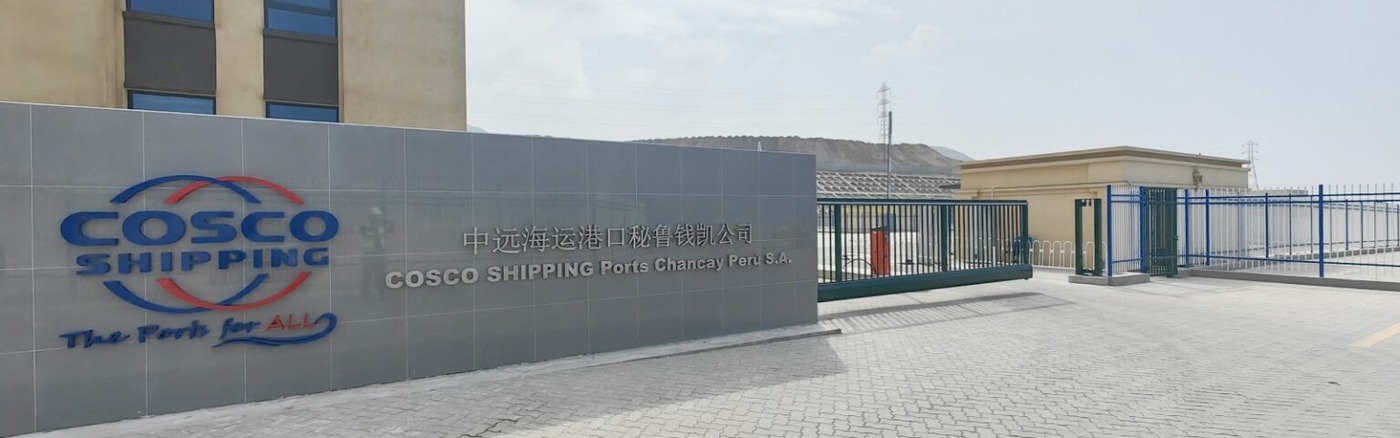
Different Zones at Chancay Port
See how one property uses different fencing systems for operating areas, internal roads and external boundaries.
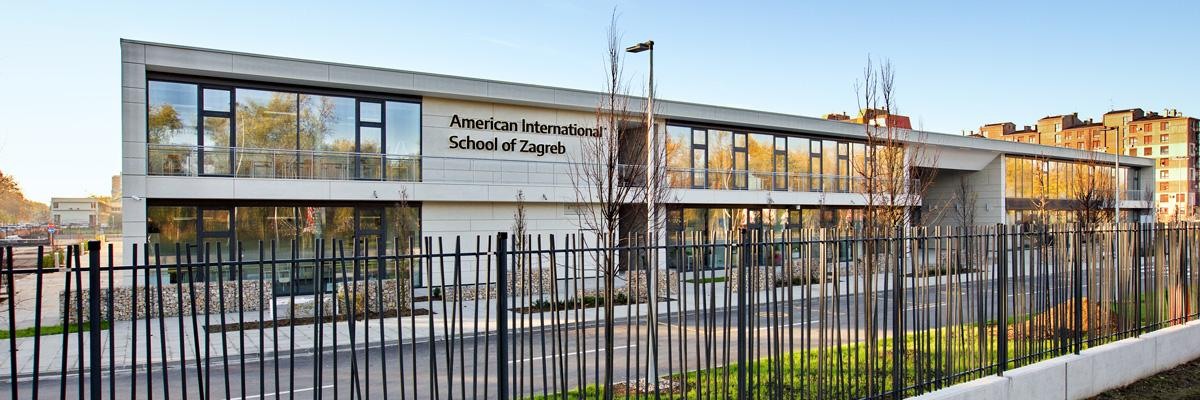
School & Park Boundary Planning
Explore safety, visibility, ground clearance and the selection of fencing for different public-space zones.
A useful starting point.
Send the current site information and identify what remains open. We can then review the configuration, component scope and interfaces.
- Site location, use and a boundary sketch
- Lengths, heights, slopes and existing structures
- Gate quantities, clear openings and vehicle routes
- Exposure, finish preferences and supply/installation scope
Discuss Your Property
Contact Command Fencing with your requirements to discuss the appropriate products and supply scope.
Before we start.
Can an existing post system be reused?
Provide post dimensions, condition, spacing and fixing details. Compatibility and support conditions need review before replacement panels are selected.
Does a small aperture alone establish security?
No. Height, bottom clearance, fixings, gates, top details and the operational context also need to be considered.
Can I compare quotes by price per metre?
Only after the mesh, posts, fittings, gates, coating and installation scope have been made comparable.

