
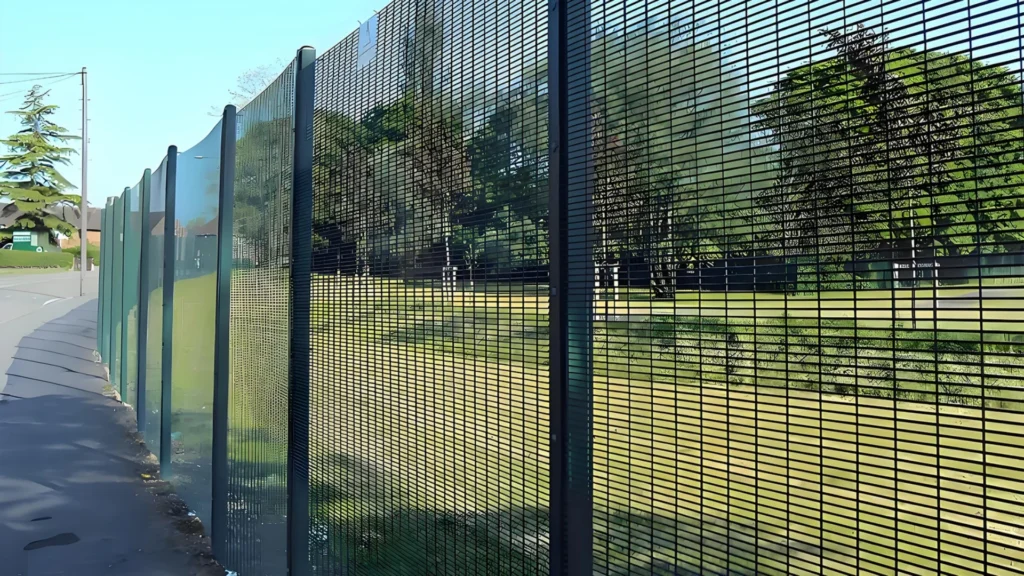
Resolve the fence line.Avoid missing site components.
Build the supply list around the measured layout. Corners, ends, level changes and gate openings need their own details before materials are released for installation.
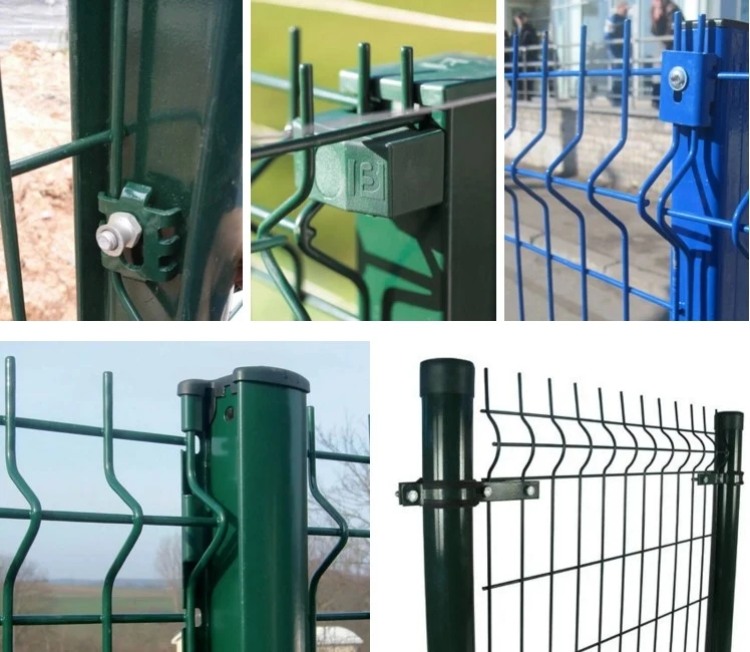
Resolve the engineering questions first
Use the actual layout, operating conditions and installation interfaces to define the complete fence system.
Measured sections
Mark start and end points, straight runs, corners and gates. Total length divided by panel width is not a complete material take-off.
Slopes & clearances
Agree stepped or sloping arrangements, post lengths and ground clearance. Do not assume a standard welded panel can simply be tilted or cut on site.
Fixings & installation faces
Distinguish embedded posts from base-plated posts. Identify anchor interfaces, available space and wall connections for review.
Terminal & gate assemblies
Count end and corner assemblies separately. For chain link, review tension bars, bands, bracing and ties against the actual layout.
Compare products against the resolved requirements
These are starting points for selection. Review the actual configuration, supporting components and interfaces before confirming a product.
| Product | Relevant Use | Review Together |
|---|---|---|
| 2DG Metal Fence Mesh → | Rigid perimeter and internal boundaries | Panel lengths, connections and post positions |
| 3DT Metal Fence Mesh → | General perimeter runs | Post spacing, ground clearance and level changes |
| 358G 2D Metal Fence Mesh → | Restricted sections | Mesh, fixing details and continuous boundaries |
| DSG Double Panel Side-hung Swing Gate → | Vehicle and service entrances | Clear opening, gate-post requirements and swing space |
Confirm dimensions, component quantities, coating and drawing revisions. A product name alone does not define the complete supply or establish project compliance.
From site information to an agreed supply schedule
Close the technical questions and confirm the document revision before releasing the supply schedule.
Submit the measured layout
Include levels, corners, gate positions and foundation constraints.
Agree the node details
Review posts, fixings, end sections and coating repair requirements.
Check the take-off
Reconcile panels, posts, gates and fitting quantities by section.
Prepare site delivery
Agree bundle identification, component lists and the information needed by installers.
Explore the details behind the decision.
Selected articles and applications related to your cooperation needs.
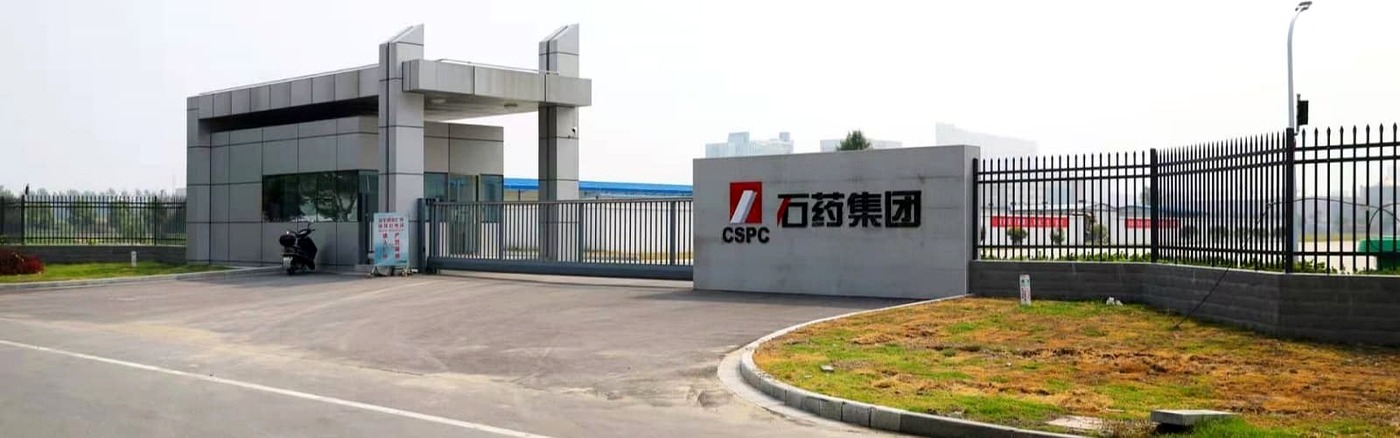
Factory Perimeter Details
See how a pharmaceutical facility fence was coordinated with ground conditions, foundations and architectural requirements.
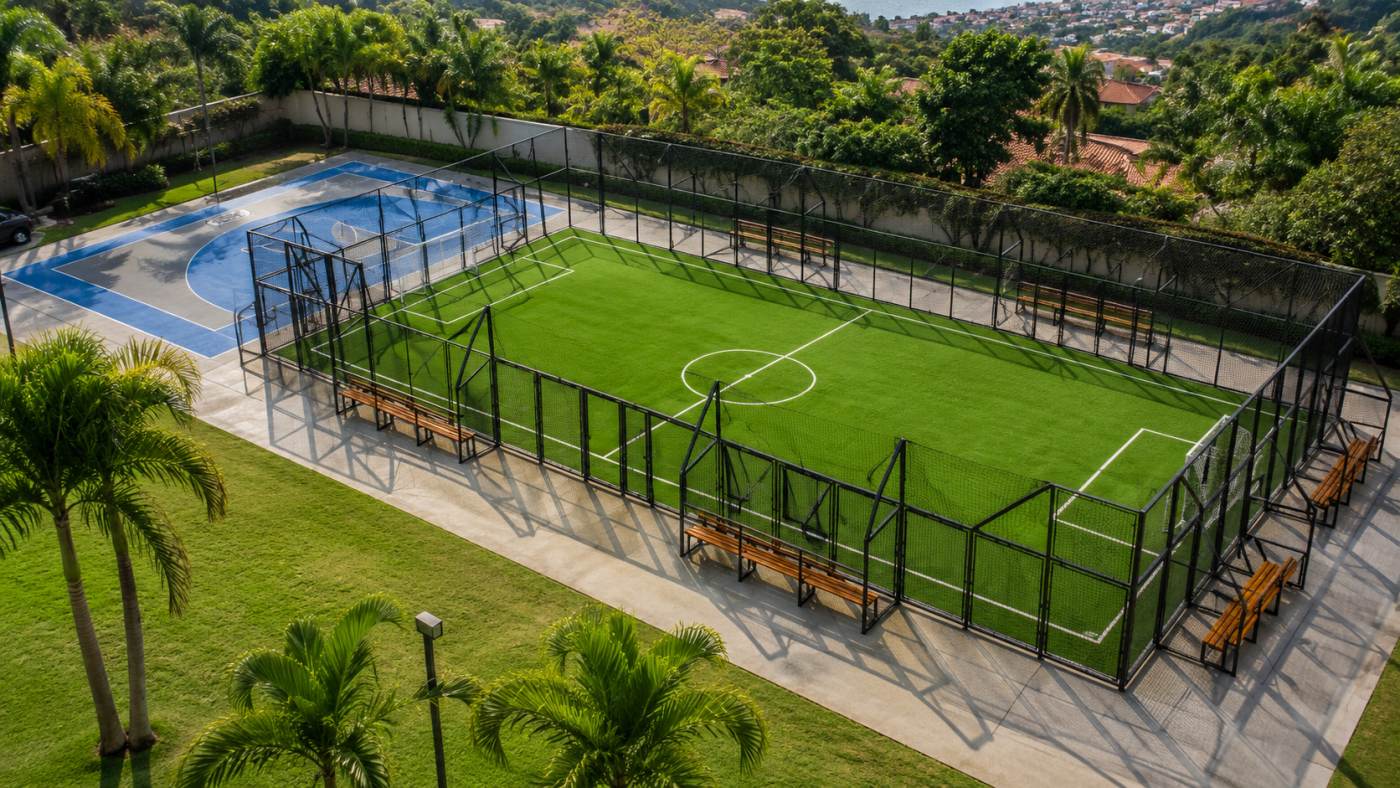
Sports Ground Fence Planning
Explore an application involving different fence systems, gates, corners and activity areas.
A useful starting point.
Send the current site information and identify what remains open. We can then review the configuration, component scope and interfaces.
- Measured drawing with revision number
- Section lengths, heights, slopes and corners
- Foundation or mounting-face information
- Gate clear openings, handing and unloading arrangements
Discuss Drawings & Quantities
Contact Command Fencing with your requirements to discuss the appropriate products and supply scope.
Before we start.
Can fitting quantities be calculated from total length alone?
Usually not. Ends, corners, gates and the selected connection system change the component count.
How should post length be selected?
Review exposed height, ground levels and the agreed mounting arrangement. A single embedment depth should not be applied to every site.
Does material supply include installation?
Confirm material supply, foundation work, installation, technical information and acceptance responsibilities separately.

