
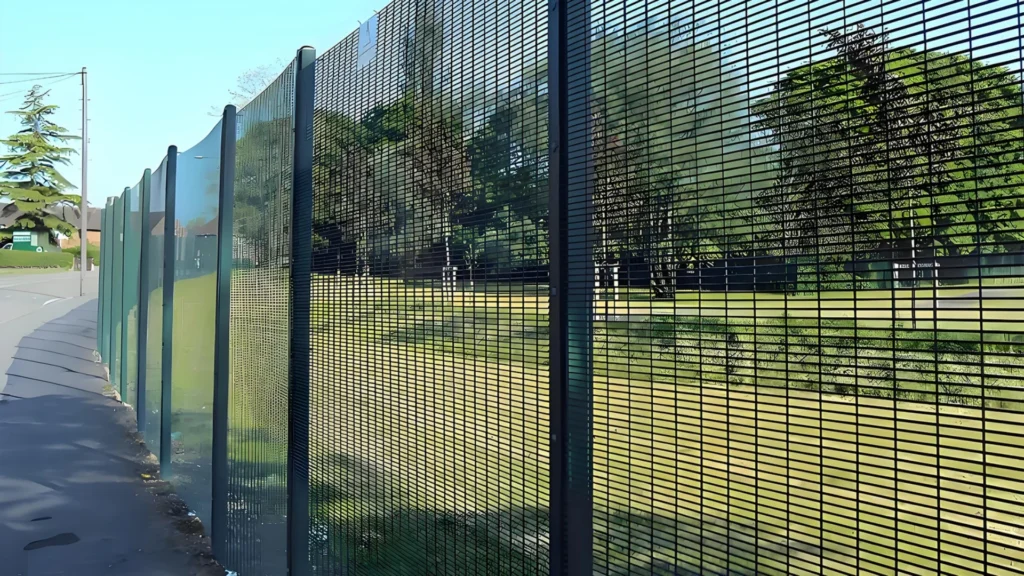
Standardize the range.Keep the components compatible.
Build a repeatable product range around local installation practice. A sellable system needs consistent mesh, posts and fittings, together with a clear specification for replenishment.
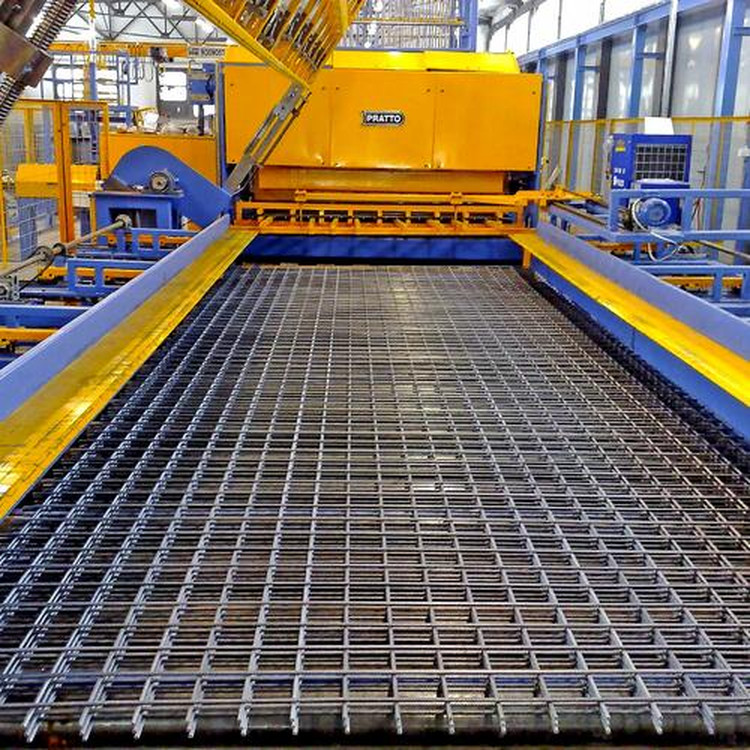
Resolve the engineering questions first
Use the actual layout, operating conditions and installation interfaces to define the complete fence system.
Core configurations
Choose common heights, openings and finishes from actual demand. Separate stock products from project-specific dimensions and gates.
Compatible assemblies
Create a matching list for panels, posts, caps, clips and bolts. A panel in stock is difficult to deliver as a system if its dedicated fittings are missing.
Repeatable specifications
Record wire sizes, post wall thickness, coating and color against the product code. Keep approved samples and specification revisions linked.
Storage & replenishment
Review package sizes, handling and finish protection. Use sales and stock information to discuss replenishment rather than assuming every model should be stocked.
Compare products against the resolved requirements
These are starting points for selection. Review the actual configuration, supporting components and interfaces before confirming a product.
| Product | Relevant Use | Review Together |
|---|---|---|
| 3DT Metal Fence Mesh → | General welded mesh range | Common dimensions, colors and post configurations |
| 2DG Metal Fence Mesh → | Rigid double-wire range | Panel and post compatibility across enquiries |
| 358G 2D Metal Fence Mesh → | Higher-security project range | Dedicated mesh, fixings and specification records |
| BS/EN HDG Chain Link Fencing → | Chain-link range | Wire sizes, coatings, rolls and supporting accessories |
Confirm dimensions, component quantities, coating and drawing revisions. A product name alone does not define the complete supply or establish project compliance.
From site information to an agreed supply schedule
Close the technical questions and confirm the document revision before releasing the supply schedule.
Identify local demand
Share customers, common installations and warehouse conditions.
Define a core range
Agree configurations and compatible fittings for each stock item.
Confirm product identification
Review samples, labels, packing and sales information.
Control repeat orders
Reference the accepted specification, previous order and color record.
Explore the details behind the decision.
Selected articles and applications related to your cooperation needs.
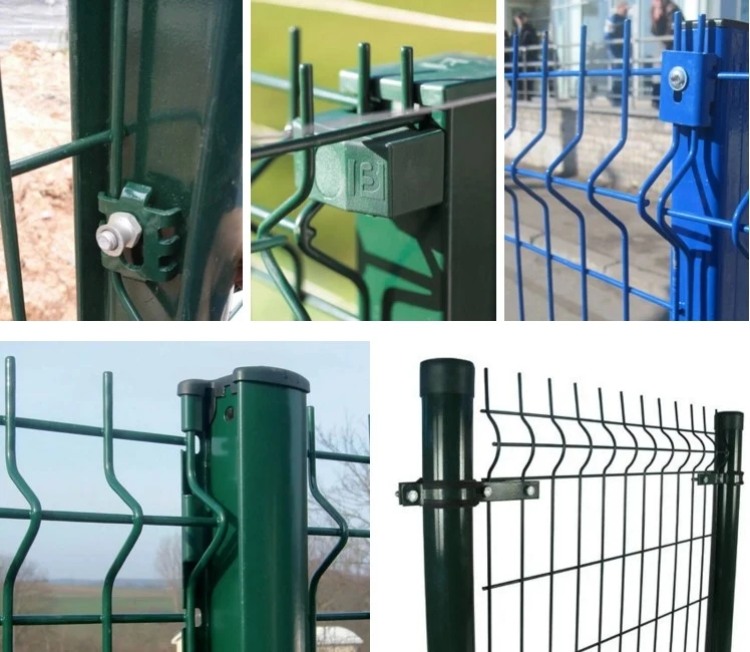
Product Mix & Repeat Purchasing
Explore the relationship between local demand, product choice, price, installation preferences and repeat orders.
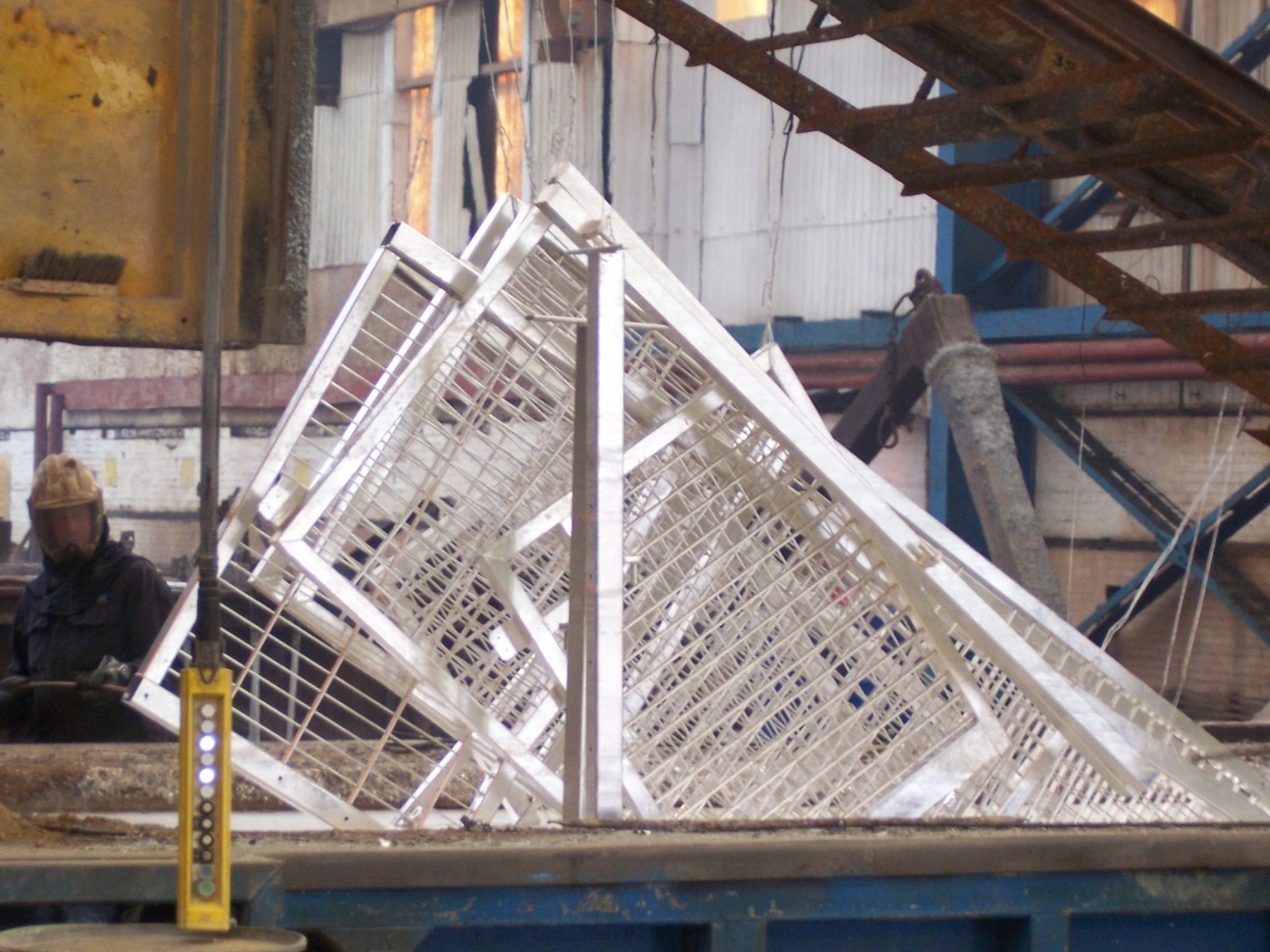
Handling a Surface-Quality Issue
Read an example of how a reported surface issue on galvanized fencing was reviewed and addressed.
A useful starting point.
Send the current site information and identify what remains open. We can then review the configuration, component scope and interfaces.
- Sales territory, customer types and installation practices
- Proposed stock configurations and expected demand
- Compatible fittings, spares and warehouse constraints
- Label, sample, packing and replenishment requirements
Discuss Your Distribution Plan
Contact Command Fencing with your requirements to discuss the appropriate products and supply scope.
Before we start.
Can all panel heights use the same post and clips?
Do not assume compatibility. Build a configuration list around post profiles, fixing positions and the selected panel sizes.
Is a model name enough for a repeat order?
Include the previous order and specification revision, with the agreed color and finish requirements.
Does distribution include exclusivity?
Any territory or exclusivity arrangement requires a separate commercial agreement.

