Heavy hot-dip galvanized fencing is widely used for industrial facilities, infrastructure, energy projects and perimeter-security applications. Its thicker zinc coating is selected for long-term corrosion protection, but hot-dip galvanizing is also a physical industrial process involving hanging, immersion, lifting and handling.
In one of our recent projects, the customer found visible surface marks on several fence panels during inspection. We reviewed the condition promptly and arranged replacement panels. The issue was resolved without asking the customer to accept panels they were not satisfied with, and the after-sales handling was completed successfully.
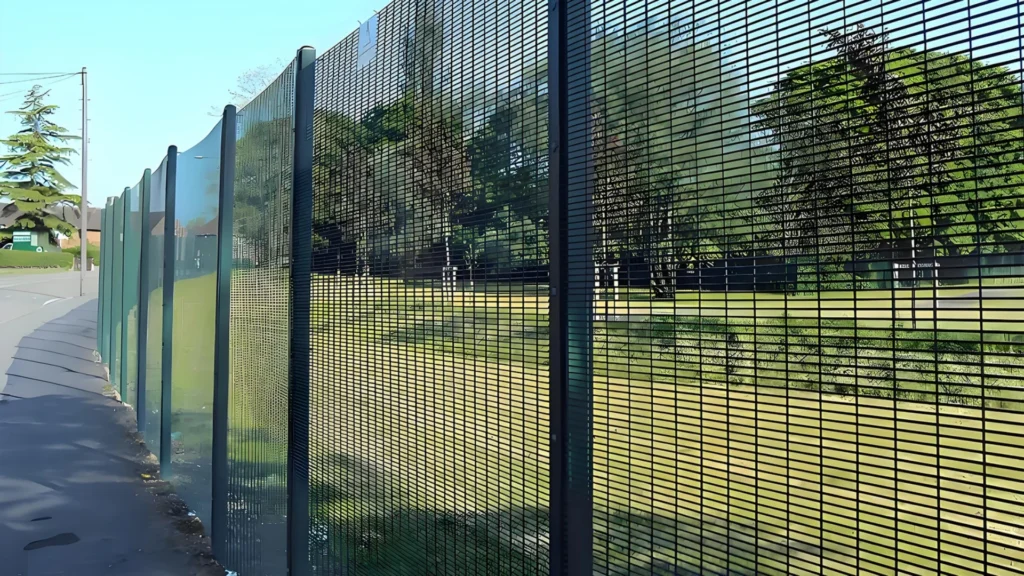
Figure 1 | Hot-dip galvanized welded fence panels after production.
Two Engineering Points Behind This After-Sales Case
1. Why can localized surface marks appear on heavy hot-dip galvanized fencing?
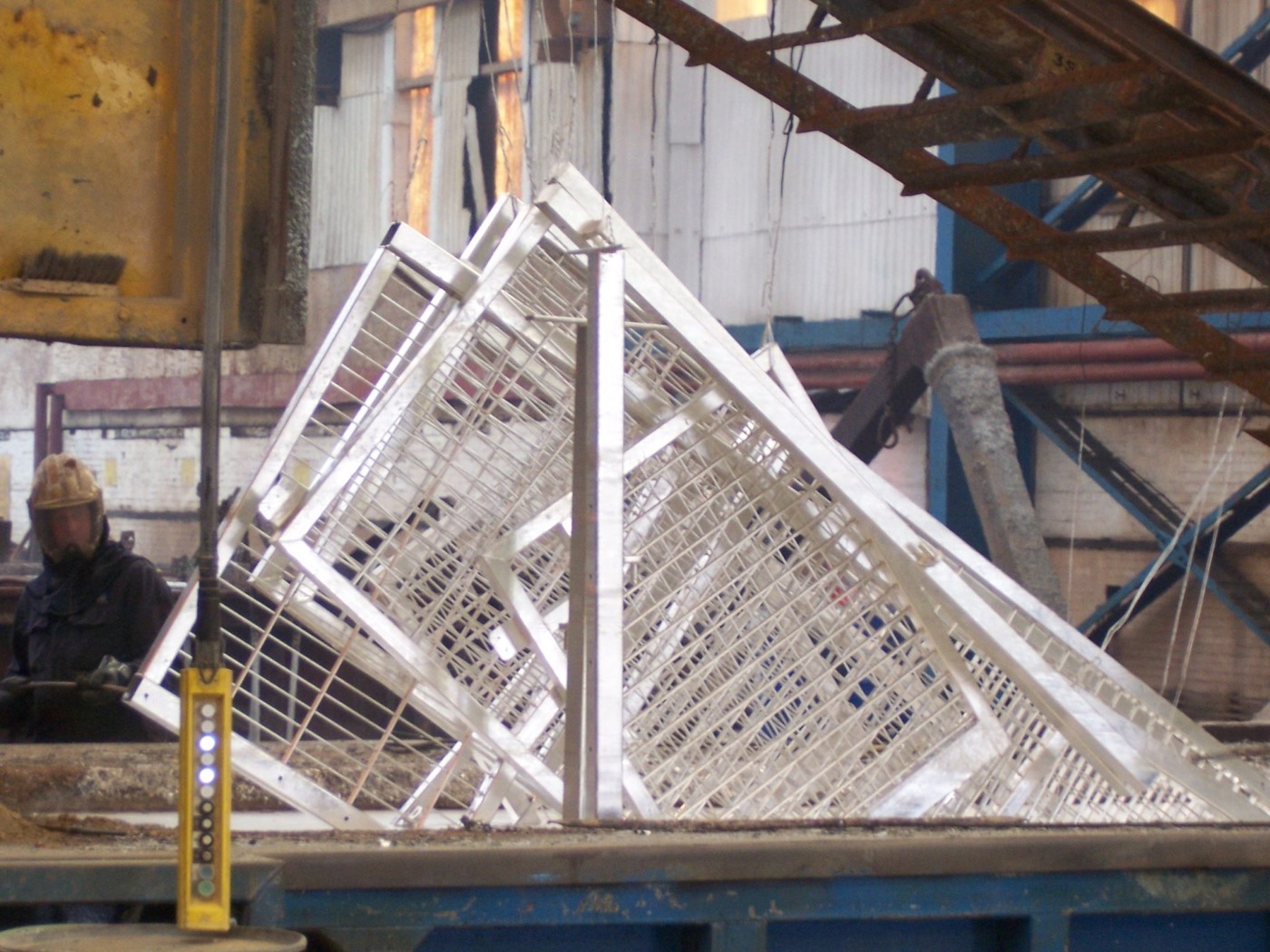
Fence panels normally pass through several stages before and during galvanizing, including pretreatment, hanging, dipping, withdrawal and cooling. Large welded panels have much more surface area than small steel components, so they can move slightly while suspended.
When a panel enters or leaves the galvanizing bath, an edge may occasionally contact the side of the tank, lifting equipment or another contact surface. This is one practical reason that localized handling marks can appear on large galvanized fence panels.
Figure 2 | Large welded fence panels suspended during production.
If contact occurs soon after the fence has been withdrawn from the zinc bath, while the coating is still hot, the contact can leave rubbing marks, pressure marks, locally brighter areas or a rougher surface texture.
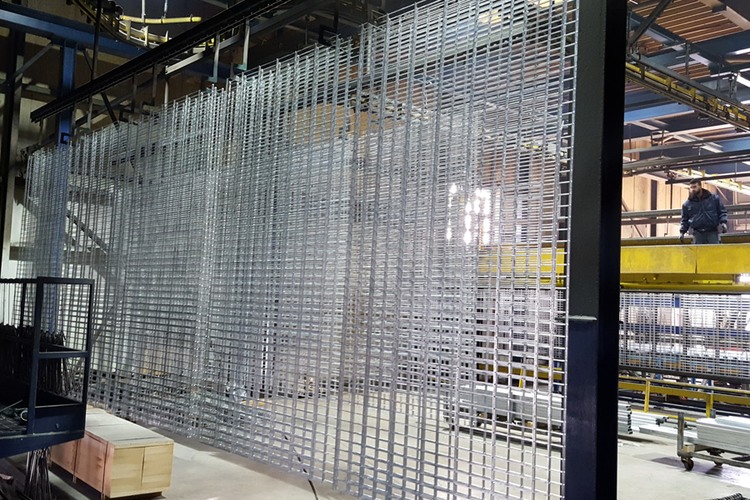
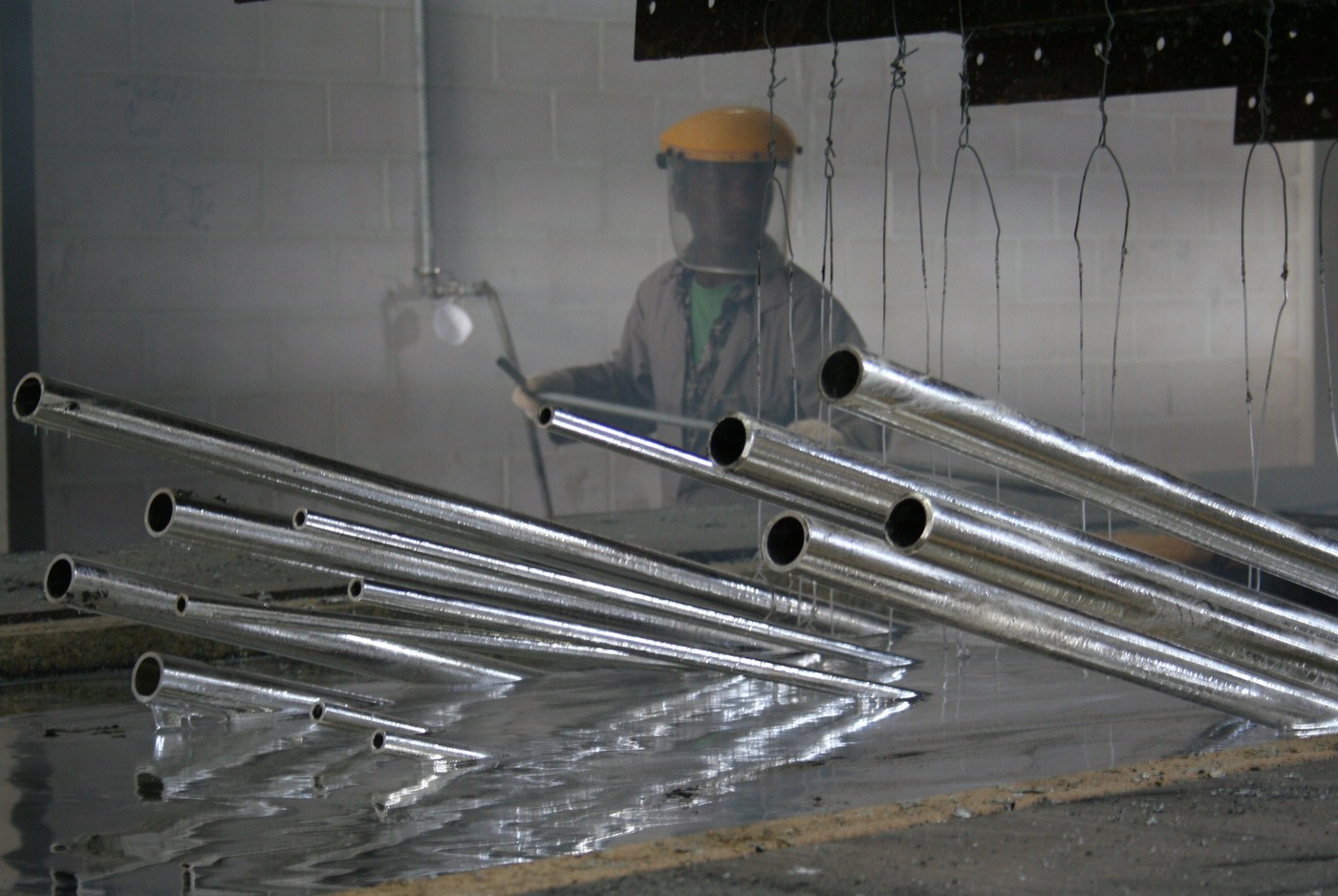
Figure 3 | Steel components being lifted during the hot-dip galvanizing process.
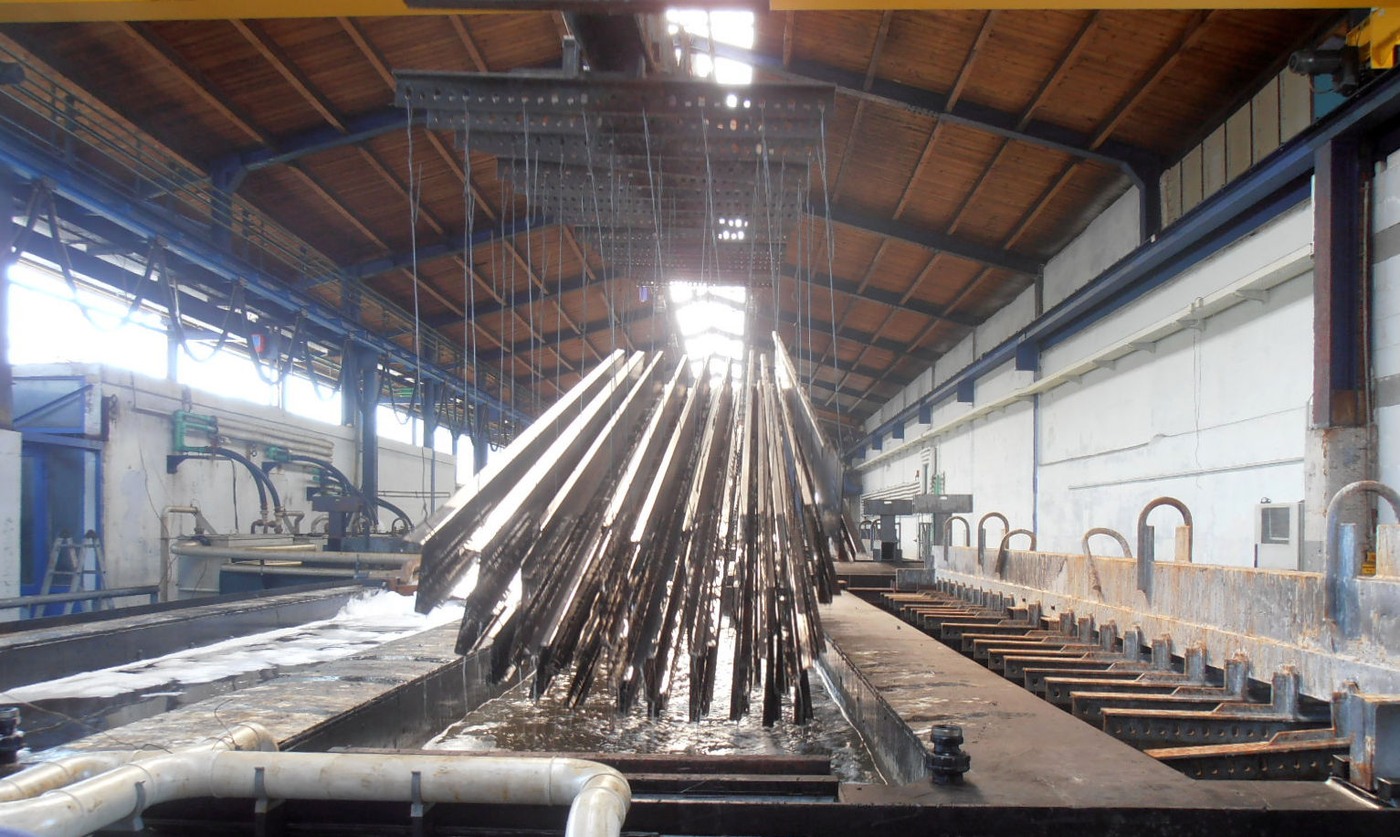
Figure 4 | A real hot-dip galvanizing workshop and processing environment.
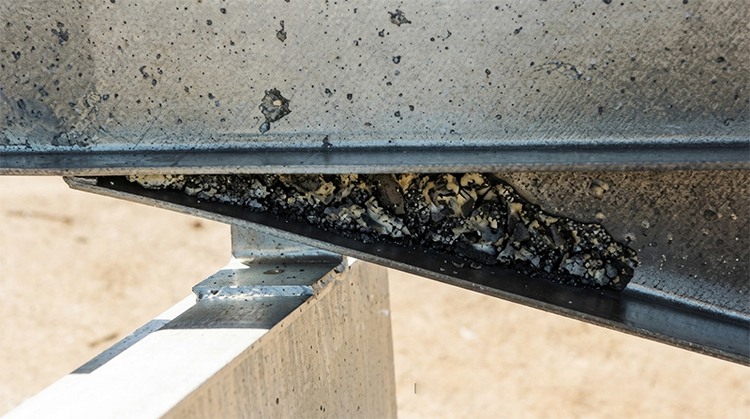
Hot-dip galvanizing also produces zinc ash, zinc dross and iron-zinc compounds during normal operation. If small particles become attached to the steel during dipping or withdrawal, they can create localized raised areas, zinc buildup or uneven surface texture. These differences can be more noticeable on heavier galvanized coatings.
A visible industrial surface mark does not automatically mean that corrosion protection has failed. However, when a project has clear appearance requirements, visible defects still need to be inspected and handled seriously.
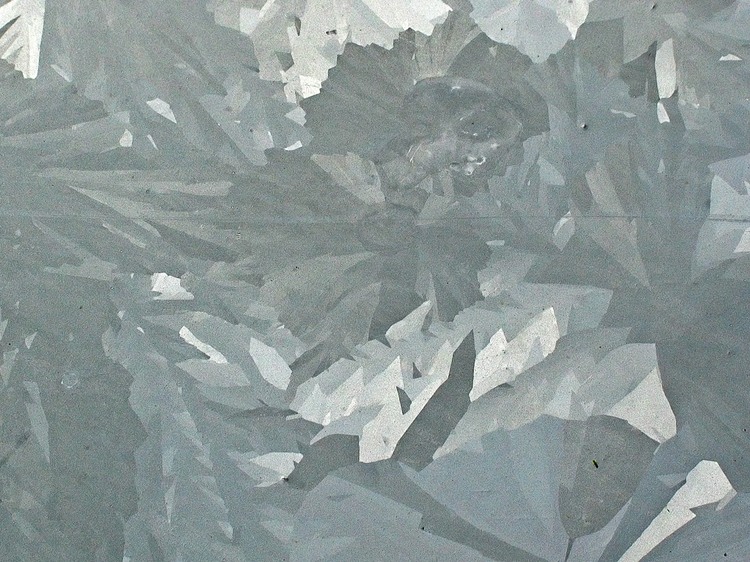
Figure 5 | Close-up of the natural crystalline texture of a hot-dip galvanized surface.
Figure 6 | Example of localized roughness and zinc buildup on a galvanized surface.
Typical visible conditions can include:
localized zinc lumps or particle-like raised areas;
rubbing or contact marks created during hanging or lifting;
localized roughness or differences in surface brightness;
irregular zinc buildup in individual areas.
The key point is that appearance and corrosion performance should be evaluated separately. Even when the main issue is visual rather than functional, it should still be addressed if it does not meet the agreed project requirement.
2. The customer reported the problem, and we arranged replacement promptly
The customer informed us after finding visible marks on several fence panels. Our first step was to confirm the affected locations and the extent of the issue, then determine the most practical solution for the project.
We did not ask the customer to repair the affected panels locally, and we did not simply dismiss the concern as a normal galvanizing appearance. After confirmation, we arranged replacement so that the customer could continue with installation and project work.
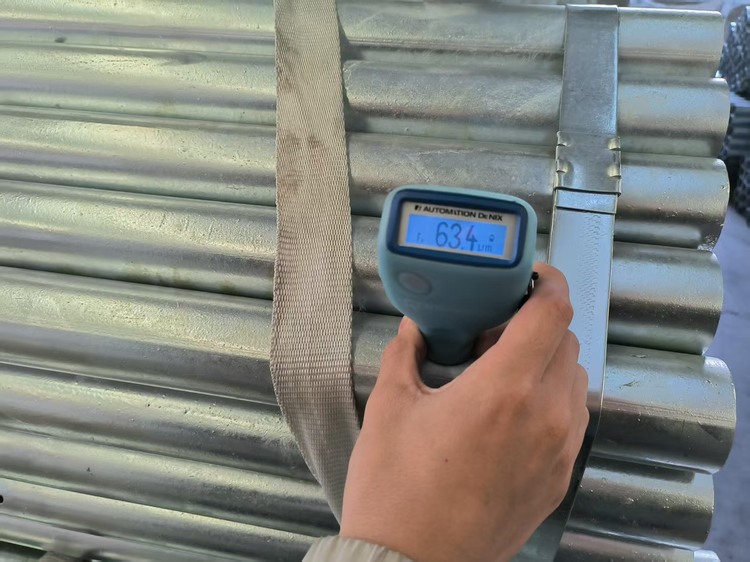
Figure 7 | Zinc coating inspection is part of confirming coating condition after an issue is reported.
For an engineering product, the speed and responsibility shown after a problem occurs are part of the product service itself.
A practical after-sales response should include:
responding quickly and confirming the actual site condition;
determining whether the issue is cosmetic or could affect use;
providing a clear solution instead of passing responsibility back to the customer;
arranging replacement when replacement is necessary;
reviewing the production process to reduce the chance of recurrence.
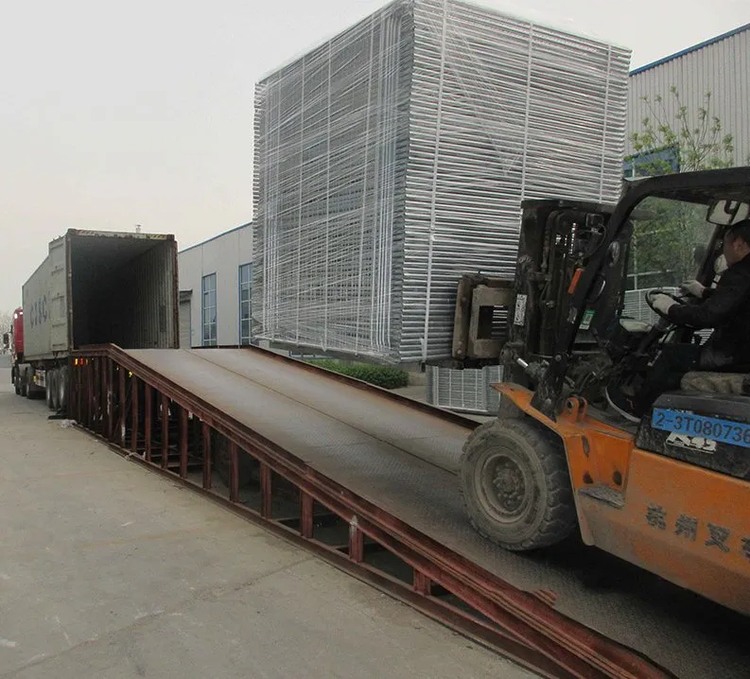
Figure 8 | Fence panels being prepared for shipment, representing the replacement-delivery stage of the after-sales process.
Engineering Procurement Is More Than Buying the Product
For contractors, distributors and project buyers, fence procurement does not end when the goods leave the factory. Large projects usually have fixed installation milestones and delivery schedules. If a product issue occurs, the supplier’s response speed and ability to solve it can directly affect progress on site.
That is why we treat after-sales support as part of engineering delivery. When a problem appears, the immediate priority is to solve it. After the project issue is under control, the production and quality-control process should be reviewed to understand the cause and reduce the chance of recurrence.
Hot-dip galvanized fencing, welded mesh fencing, gates and other perimeter-protection products involve multiple stages, including manufacturing, surface treatment, packing, transportation and installation. Product quality is important, and the ability to respond effectively when a problem occurs is equally important.
CommandFence places strong emphasis on after-sales support following product delivery. If customers identify issues involving product quality, surface treatment, transportation damage or accessories during receiving, installation or use, they can report them to us promptly.
We review each case according to the actual situation, confirm the cause and provide an appropriate solution, which may include supplementary shipment, replacement or another practical resolution.
We will continue improving our production, inspection, packing and after-sales processes to reduce the likelihood of problems and to ensure that, when an issue does occur, it is handled promptly and clearly. Visit CommandFence for more information about our fencing systems and project support.