
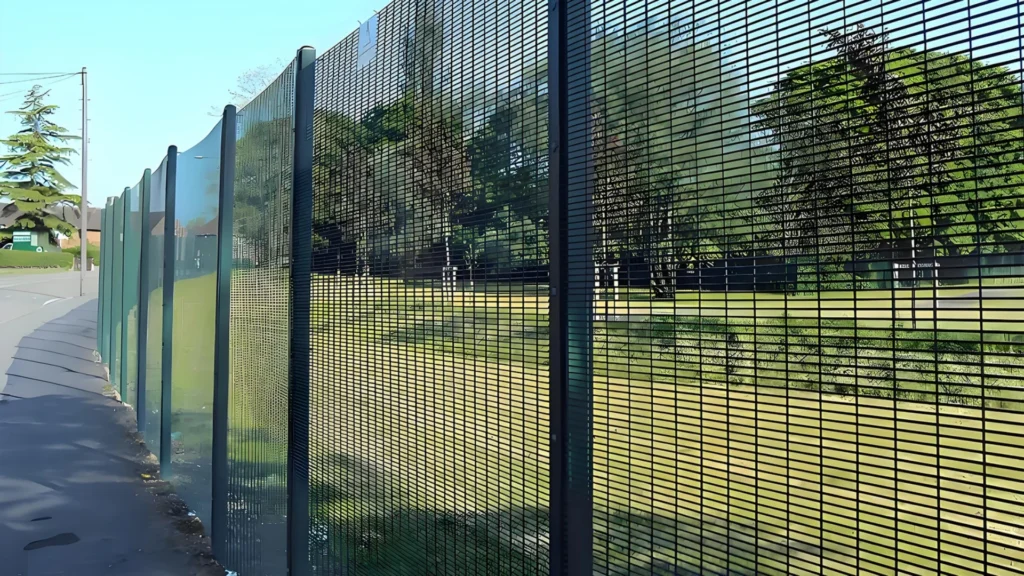
En 2025, la OTAN lanzó Baltic Sentry para fortalecer la protección de la infraestructura crítica, incluyendo tuberías y cables submarinos. En julio de 2026, la Comisión Europea publicó nuevas orientaciones sobre la resiliencia de la infraestructura crítica, haciendo hincapié en los riesgos naturales y provocados por el ser humano. Estas iniciativas internacionales abordan diferentes entornos operativos, pero comunican el mismo principio: la seguridad no puede depender de un solo componente; debe formar un sistema integrado que se extiende desde el perímetro y la detección hasta la respuesta y el mantenimiento.
Como primera línea visible de protección del perímetro físico, ¿el esgrima de metal sigue siendo simplemente un elemento estándar en la factura de ingeniería de materiales? A medida que las instalaciones de energía nuclear, las instituciones penitenciarias, los centros de datos, los emplazamientos de energía y los centros de transporte siguen aumentando sus requisitos de protección, ¿se determina realmente el valor de una valla de 358 sólo por abertura de malla, diámetro de alambre y masa de panel?
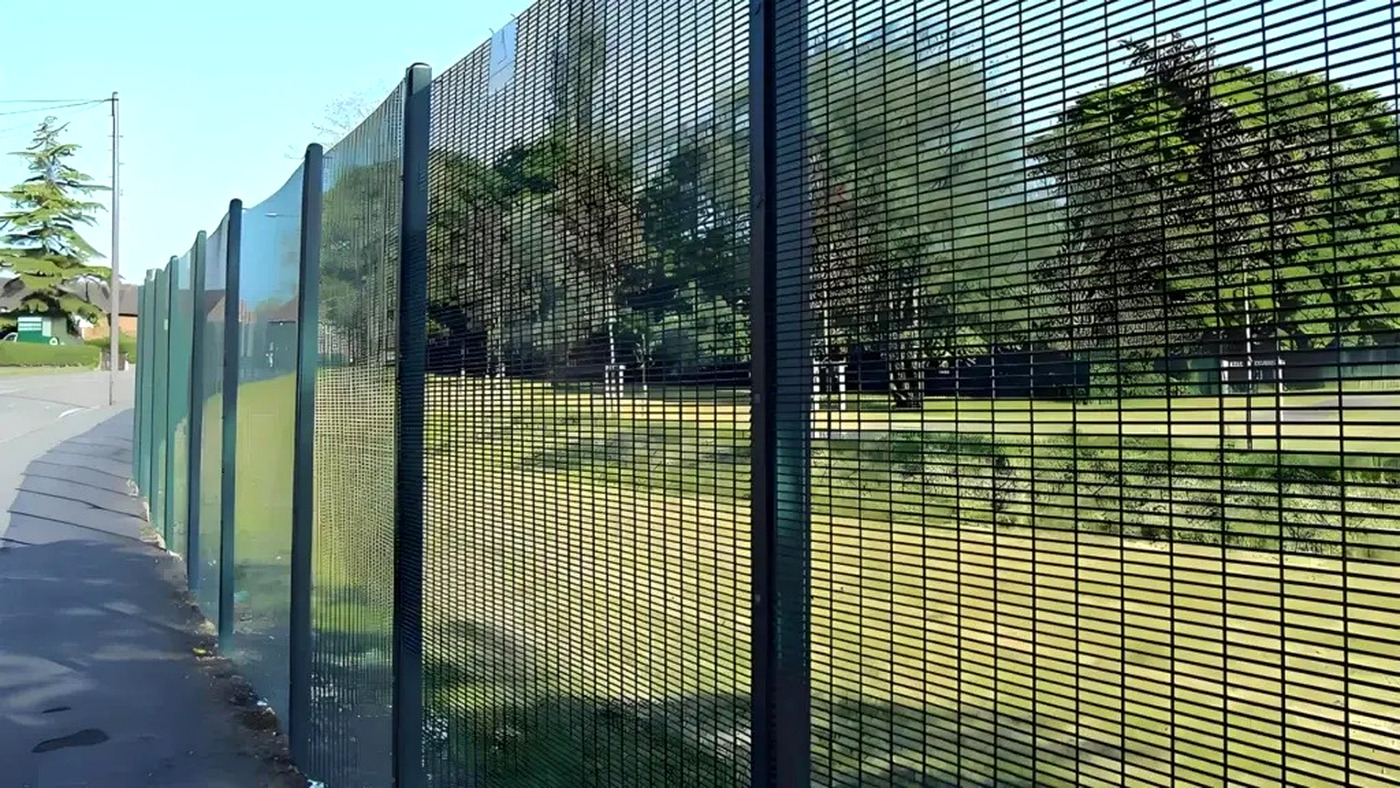
¿Es el valor de 358 Fencing Limited al panel de malla de pequeña abertura?
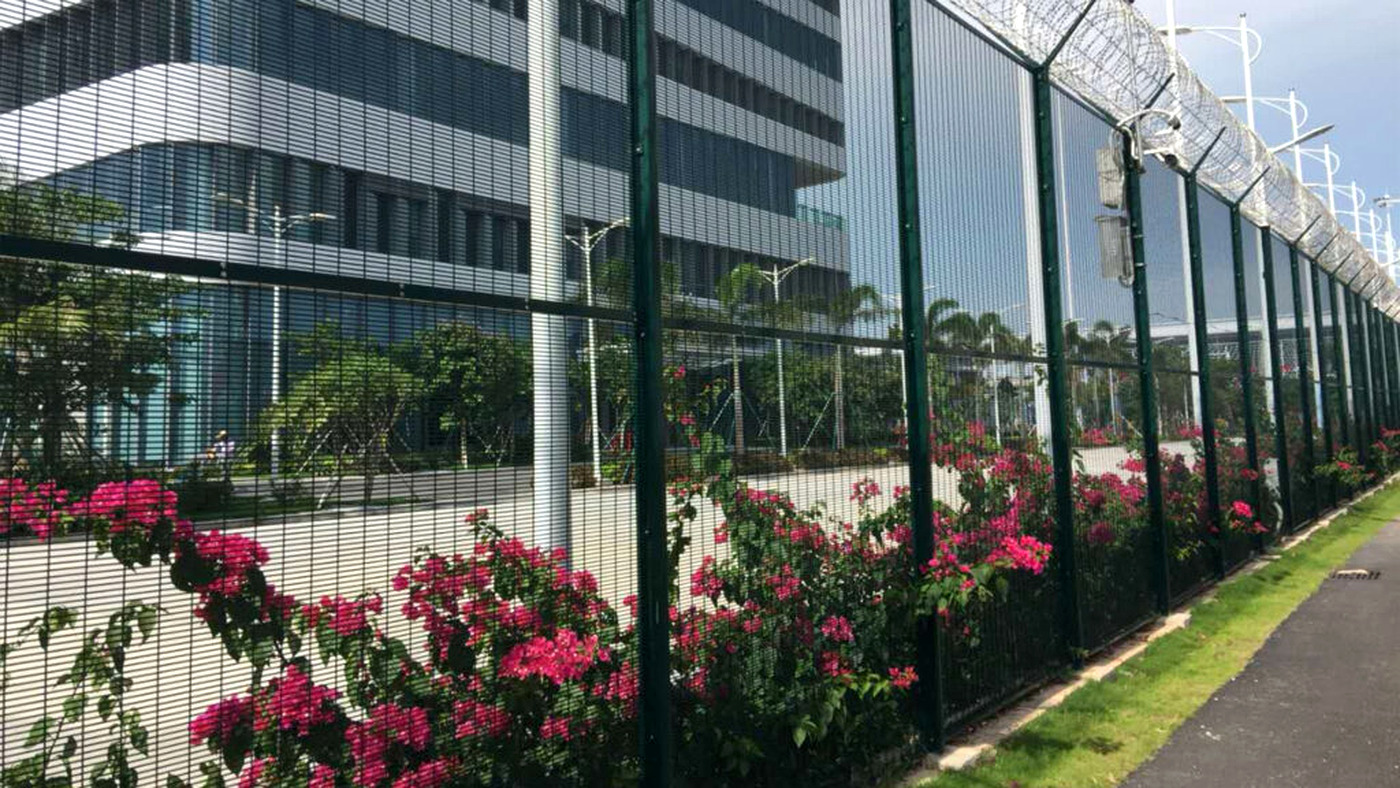
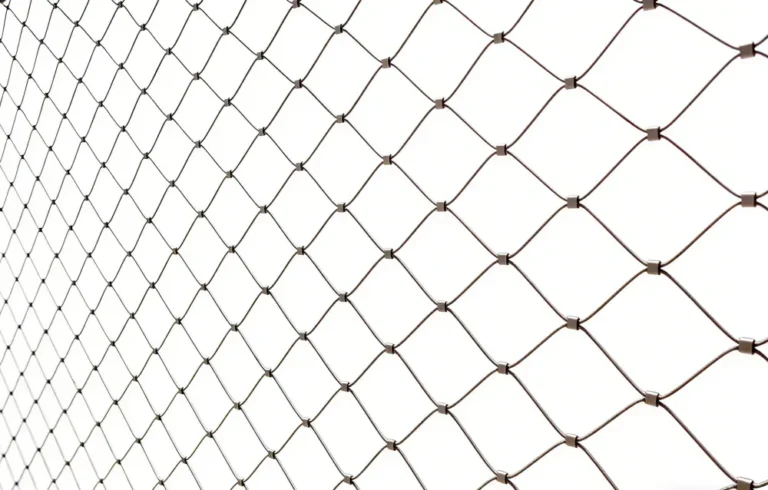
358 malla de alambre soldado se caracteriza por su configuración densa y pequeña apertura. La malla reduce las manos y los pies utilizables y hace más difícil operar herramientas de mano comunes a través de las aberturas. Por lo tanto, se considera con frecuencia para aplicaciones de perímetro de alta seguridad. Sin embargo, independientemente de la fuerza del panel, ¿puede la valla instalada realizar plenamente la intención de diseño si los puestos, conectores y métodos de fijación todavía se montan como una combinación ad hoc?
Los clientes de ingeniería internacional prestan cada vez más atención al alcance del sistema y a la responsabilidad de la interfaz: ¿Quién diseña el panel de malla? ¿El post es totalmente compatible? ¿Se pueden inspeccionar y mantener las conexiones? ¿Pueden ser detallados los rincones, los cambios en el nivel del suelo, el recorte de seguridad y el revestimiento protector como un paquete coordinado? Esto significa que un fabricante de cercas no puede simplemente suministrar un panel de malla; debe entender la lógica de ingeniería de la carrera perímetro completa.
Puestos cuadrados ya están establecidos. ¿Por qué desarrollar un I-Section Post?
Los puestos de sección cuadrada tienen una forma estructural clara, amplios procedimientos de aplicación e instalación familiarizados con los equipos del sitio. Desarrollar un puesto de sección I no tiene por objeto invalidar la solución de posición cuadrada establecida. Se trata de una pregunta diferente: cuando un proyecto requiere una cerca de alta seguridad con una identidad de producto más distintiva, una elevación más limpia y una apariencia más consistente en ambos lados del límite, ¿puede el fabricante proporcionar una solución estructural alternativa?
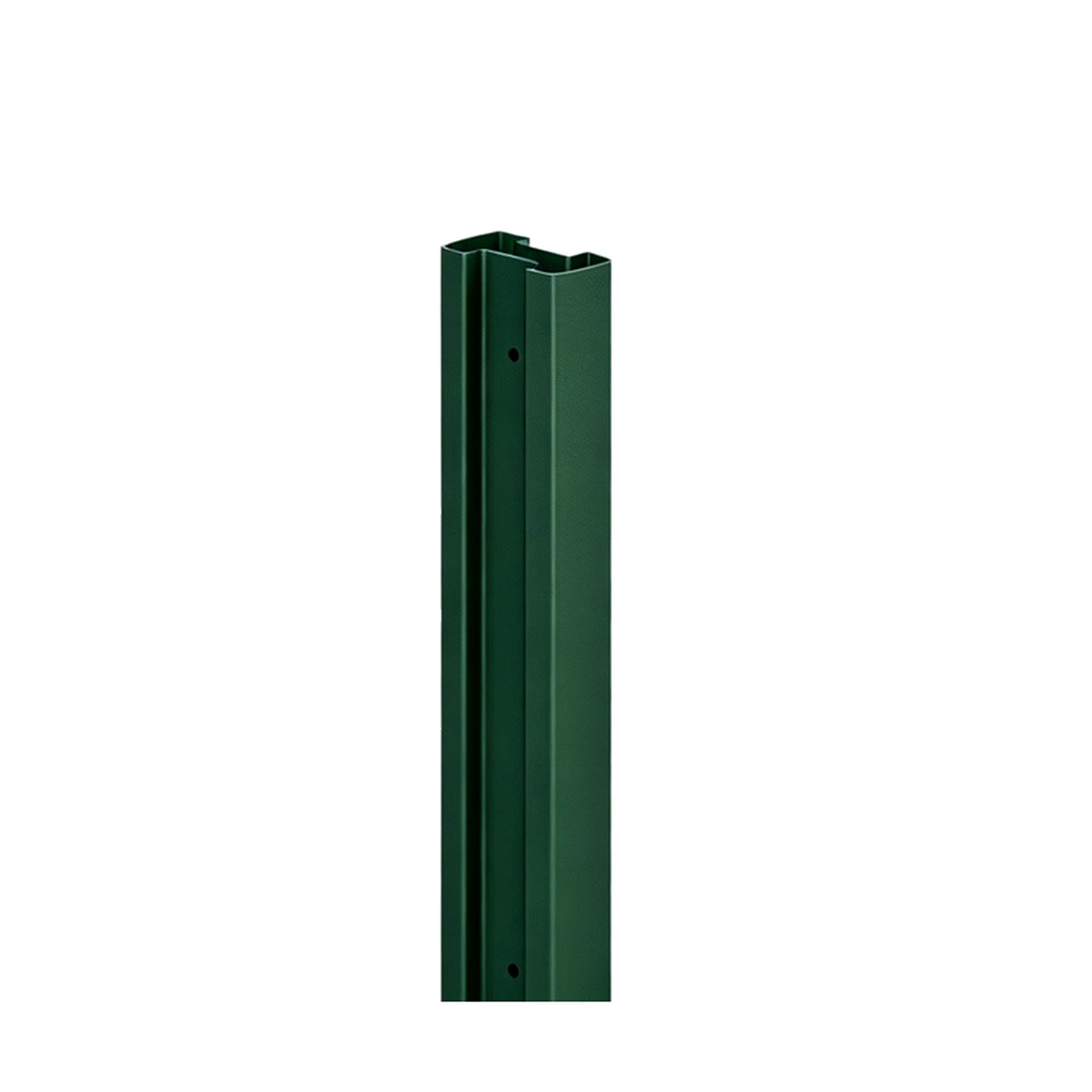
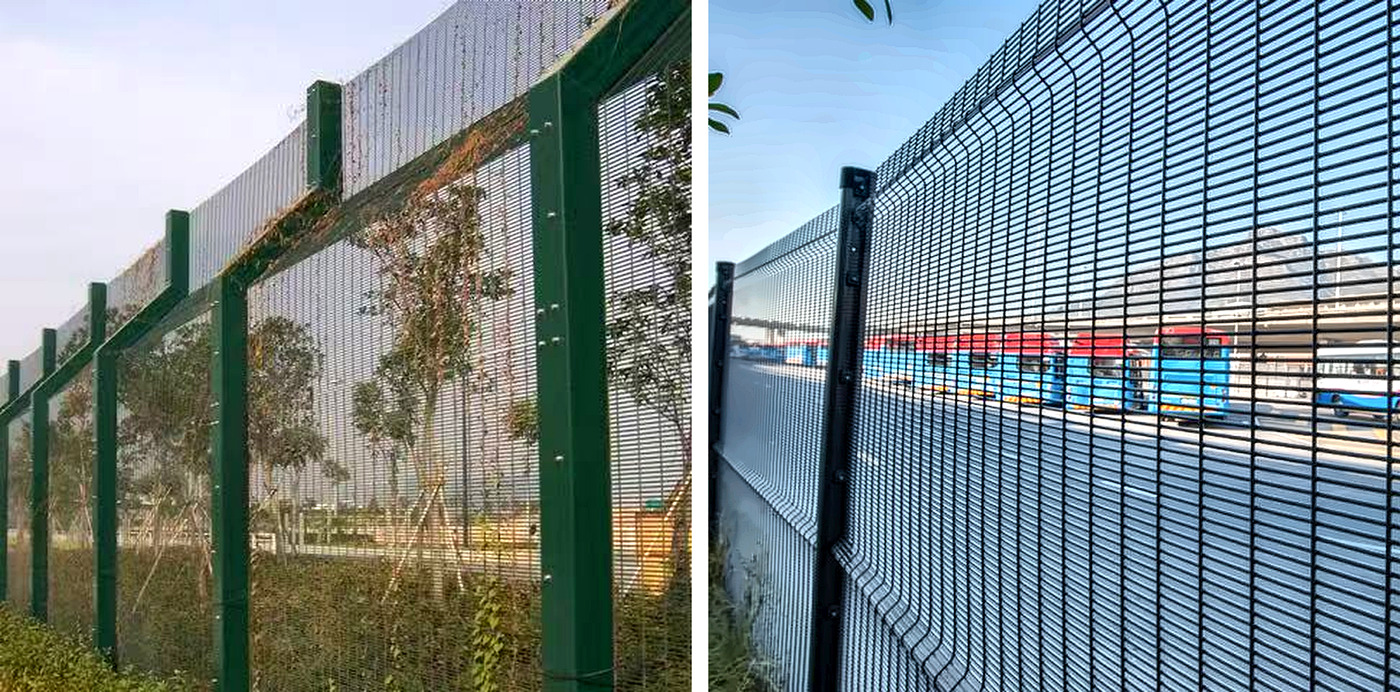
Comando desarrollados a post de sección de sección fría para 358 malla. Visto desde el lado público, el post forma una línea vertical limpia. Visto desde el lado seguro, el panel de malla, las ubicaciones de correo y fijación conservan un aspecto igualmente integrado. Comparado con un post cuadrado convencional, el sistema tiene un carácter visual más distintivo; sin embargo, el enfoque de diseño no es simplemente una forma diferente. La sección de correos y los requisitos de conexión del panel de malla 358 han sido reconsiderados como un diseño coordinado.
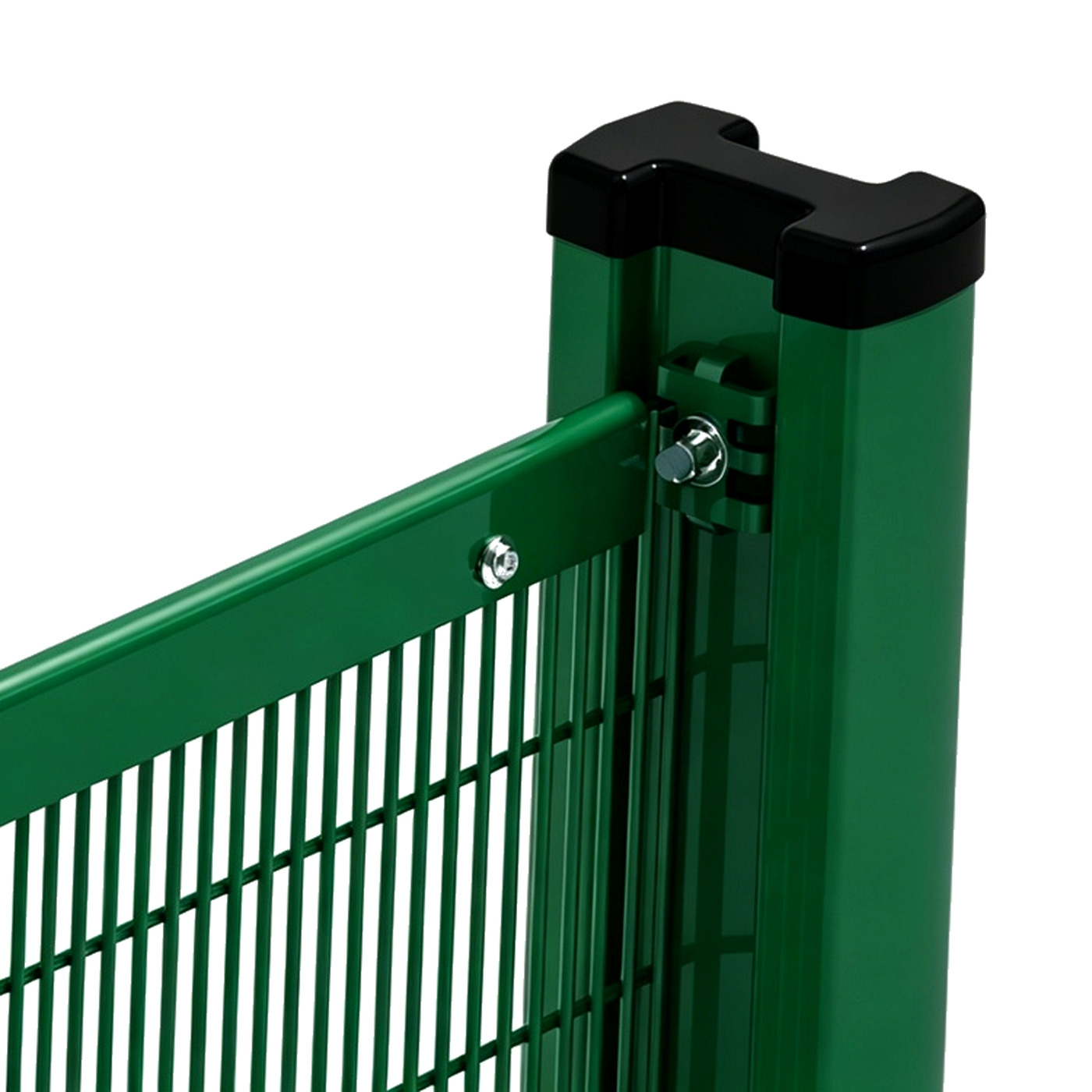
¿Sólo ha cambiado el Post, o el Logic de Conexión?
El verdadero desarrollo del producto no significa dar un tubo de acero ordinario un perfil externo diferente. De acuerdo con los datos del producto 358G, el sistema consta de un panel de 358 malla soldada, un post de sección de sección fría, componentes de conexión dedicados y pernos resistentes al manipulador. Una sección post típica es de 54.4 × 100 mm, mientras que el espesor de la pared, la longitud del poste y el revestimiento protector se pueden ajustar para adaptarse a la altura de la valla, las condiciones de carga y los requisitos del proyecto.
Cuando la sección de correos, ubicaciones de fijación y geometría de componentes se coordinan durante el desarrollo del producto, la instalación del sitio no tiene que depender de perforaciones incontroladas, soldadura temporal o combinaciones de hardware inconsistentes. En largos recorridos perimetrales, esta esta estandarización afecta no sólo a la productividad de la instalación, sino también a la inspección futura, sustitución localizada y consistencia visual.
Para el comprador, la elección final entre un puesto de sección I y un puesto de sección cuadrada debe, por supuesto, estar basado en los dibujos del proyecto, presupuesto y los códigos locales aplicables. Lo que es más probable para convencer a un comprador internacional no es la afirmación del fabricante de que un tipo de post es "más avanzado", sino su capacidad para traducir los requisitos funcionales y arquitectónicos del proyecto en diseño de secciones, desarrollo de conexiones, validación de la producción y detalle completo de la instalación.
Puestos de sección cuadrada y puestos de sección I: Comparación estructural para 358 Alimentación
La comparación a continuación muestra una cerca de 358 con puestos de sección cuadrada a la izquierda y una cerca de 358 con puestos de sección I a la derecha. Ambos sistemas se pueden utilizar con paneles de malla soldada de pequeña abertura 358, pero presentan diferentes enfoques de diseño en geometría post, fijación de paneles, apariencia de ambos lados e identidad del sistema general. Los puestos de sección cuadrada son maduros y ampliamente utilizados; el puesto de sección I coordina la geometría post con un arreglo de fijación dedicado y por lo tanto ofrece otra opción basada en el sistema. La valla de poste de 358 I se puede configurar para adaptarse a la altura de la valla, las condiciones de carga, el revestimiento protector y la especificación del proyecto.
Los proyectos de alta seguridad siguen siendo necesarios para la verificación sistemática y específica de proyectos de carga eólica, centros postales, dimensiones fundamentales, sistema de protección de la corrosión, cobertura de seguridad, estructura de la zona de entrada, detección de armas de intrusión y control de acceso. La valla es una barrera física, pero también es una plataforma de montaje e interfaz para el sistema de seguridad más amplio. Cuanto más completa sea el diseño del producto, más fácil será que el ingeniero integre la valla en el esquema general de seguridad del perímetro en lugar de tratarla como una compra de malla aislada.
¿Qué cambia un solo post en realidad en un 358 Fence?
Primero, cambia la experiencia visual. Una valla convencional de alta seguridad no tiene que presentar una apariencia de ingeniería única y pesada. Se puede lograr un resultado arquitectónico más consistente tanto en los lados seguros como públicos del límite.
Más importante aún, cambia el límite del producto. El fabricante ya no está suministrando sólo un panel de malla; comienza a tratar la sección post, componentes de conexión, fijación y método de instalación como un sistema diseñado que puede ser desarrollado y verificado. Es por eso que el post de sección I representa más que simplemente "una forma diferente".
A medida que los requerimientos de seguridad perímetro global sigan aumentando, cuando el próximo cliente internacional pregunte acerca de una valla de 358, ¿la discusión seguirá limitada al precio por metro cuadrado y diámetro de alambre?
Más información sobre la Fence Anti-Climb 358G con entradas de detección
Revise los parámetros de producto, detalles de conexión y configuración de proyecto.
https://chinafencecompany.com/metal-fencing-panels/2d-358g-metal-fence-mesh-profiled-posts-b/




Responder