Wind Farm Fencing Solutions: Perimeter Protection for Renewable Energy Infrastructure
As renewable-energy development continues worldwide, wind-power projects are increasingly built across mountains, grasslands, coastal zones and open land. These sites often combine large footprints, long perimeter runs, complex environmental conditions and long-term outdoor operation.
A reliable metal fencing system does more than define the project boundary. It helps protect wind turbines, electrical equipment, auxiliary facilities and operation-and-maintenance areas while reducing risks associated with unauthorized access, equipment interference and environmental exposure. The same system-level approach is also important in high-security fencing for energy infrastructure.
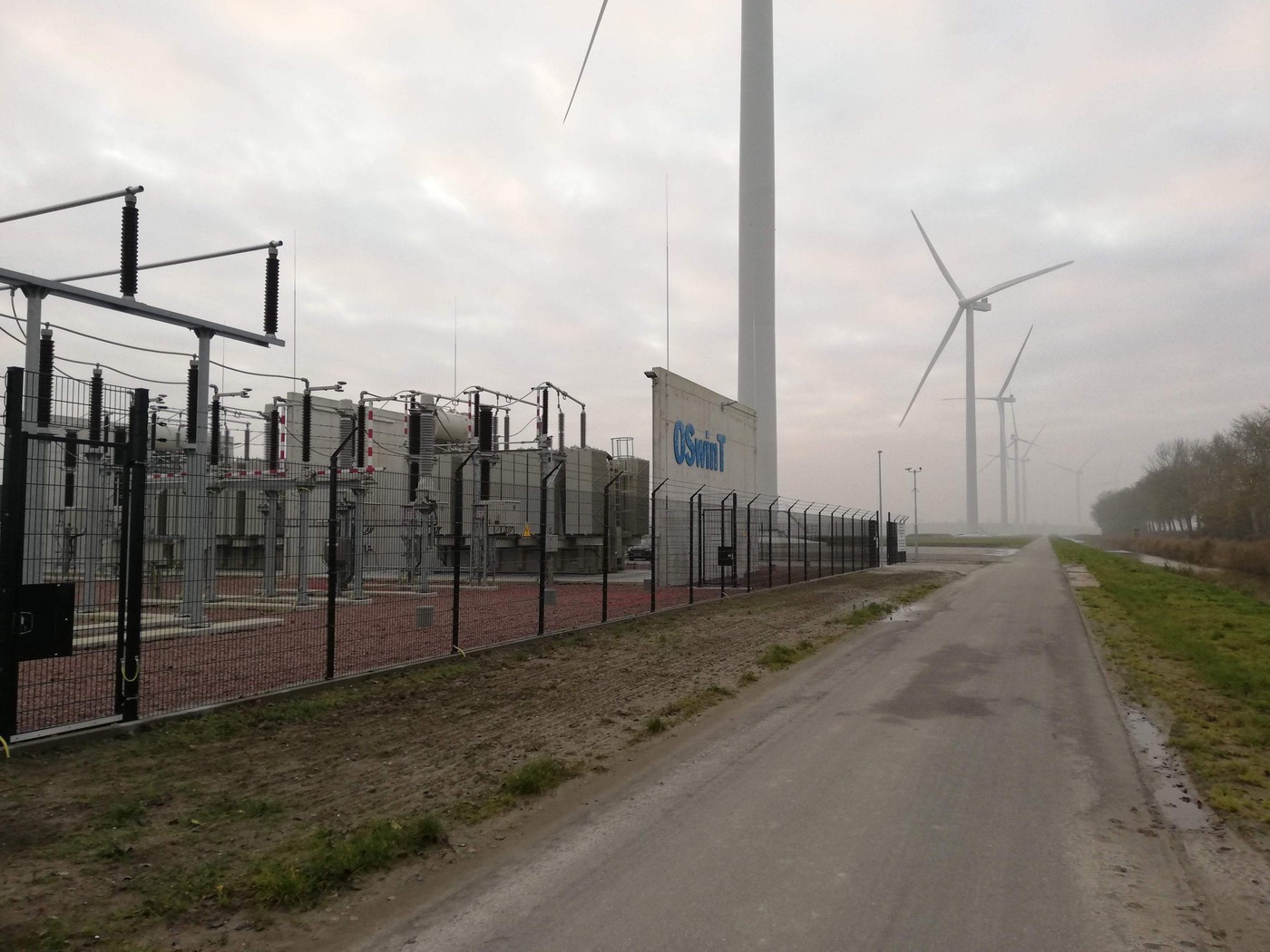
Wind-power projects include wind turbines, step-up substations, transformer equipment, control facilities and maintenance areas. Dedicated fencing helps establish clear site boundaries, restrict unauthorized entry, improve site-management efficiency and reduce the risk of external interference with equipment.
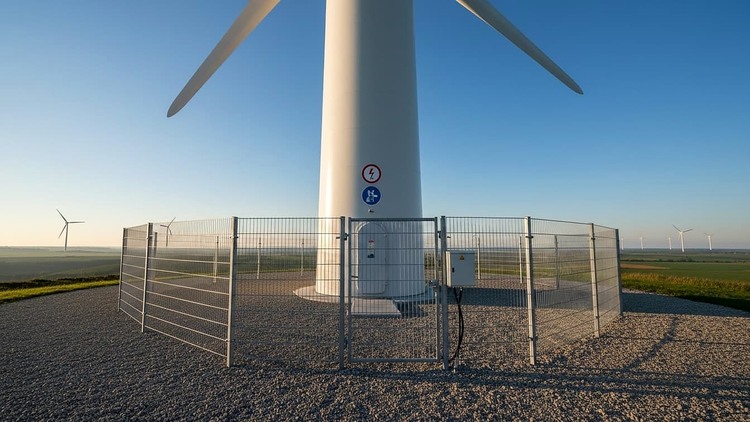
Figure 2 | Perimeter fencing around electrical and auxiliary equipment at a wind-power site.
2. Fence Selection for Different Wind Farm Zones
Wind farms may extend across mountains, grasslands, plains and concentrated equipment zones. Because terrain conditions and protection objectives vary, the perimeter system should be selected for the actual application environment. Combining different fence types can address long boundary runs, terrain adaptation and higher-security equipment areas at the same time. A similar zone-based planning principle is used in perimeter security zoning for power facilities.
2.1 Mountainous Wind-Farm Areas: Chain Link Fence
Main advantages
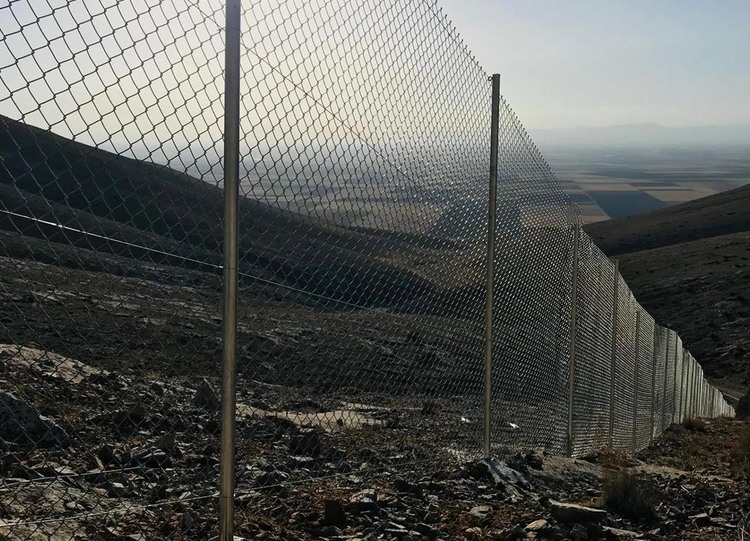
Mountain wind farms often have large changes in slope, complex terrain and restricted construction or transport conditions. Chain link fencing provides useful flexibility and terrain adaptability, allowing the fence line to follow slopes and irregular ground over long perimeter distances.
Flexible structure adapts to changes in mountain slope.
Can be installed by following the slope or using stepped installation.
Helps reduce installation difficulty on complex terrain.
Suitable for long-term perimeter use in remote mountain wind projects.
Figure 3 | Chain-link fencing following steep and irregular mountain terrain.
2.2 Flat Terrain: 3D Welded Mesh Fence
Main advantages
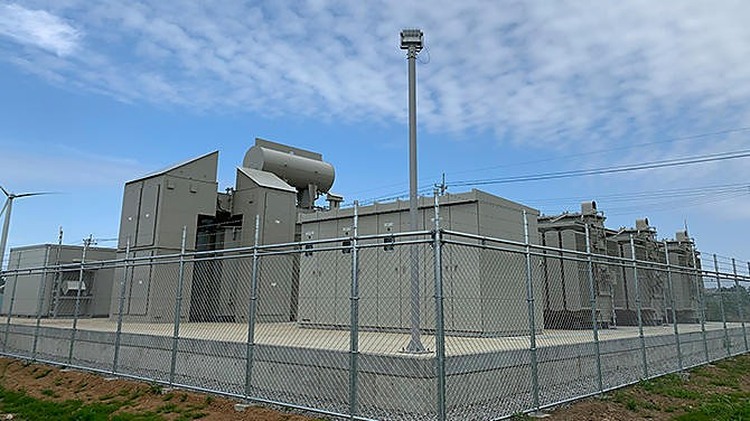
For grasslands, plains and other relatively flat wind-farm areas, 3D welded mesh fencing provides higher overall rigidity and a more orderly appearance, making it suitable for standardized renewable-energy project construction.
Stable panel structure with strong impact resistance.
Clean appearance suited to modern renewable-energy sites.
Efficient installation for large-area continuous construction.
Figure 4 | Rigid metal mesh enclosure used around equipment at a wind-turbine location.
2.3 Transformer and Critical Equipment Zones: 358 High-Security Mesh Fence
Main advantages
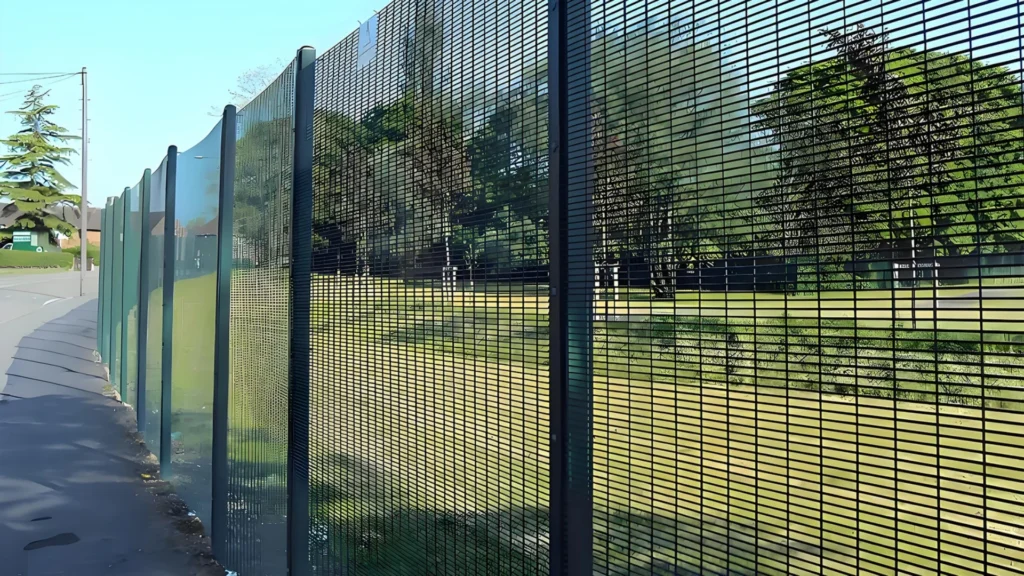
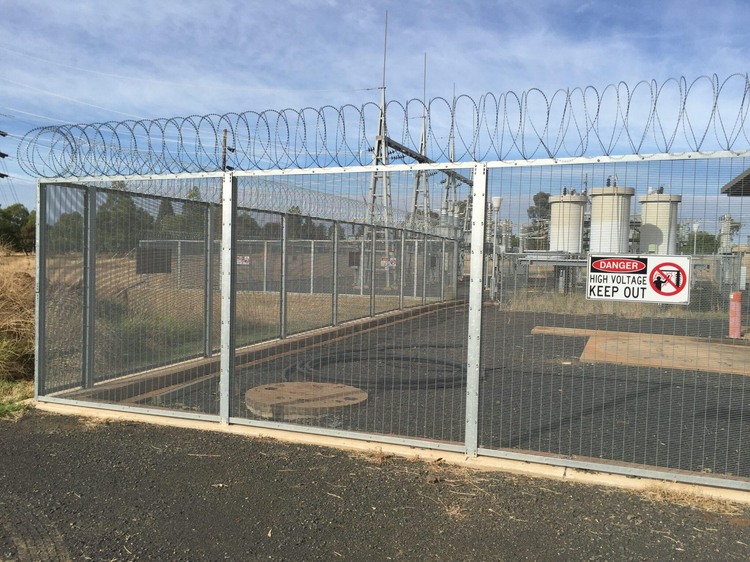
358 high-security mesh fencing uses a dense small-aperture structure and is suitable for box-type substations, step-up substations, control equipment and other critical zones. The small openings can reduce climbing opportunities and help limit the entry of small animals.
Small mesh openings help block small animals.
Raises the protection level around transformer and substation equipment.
Helps reduce equipment-maintenance risk.
Suitable for box-type substations, step-up substations and other critical facilities.
Figure 5 | High-security mesh fencing around a restricted electrical-equipment area.
3. Gate Systems for Wind Farm Perimeters
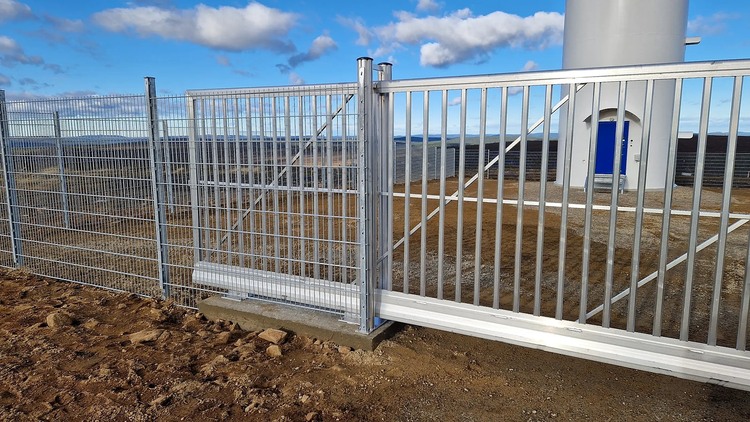
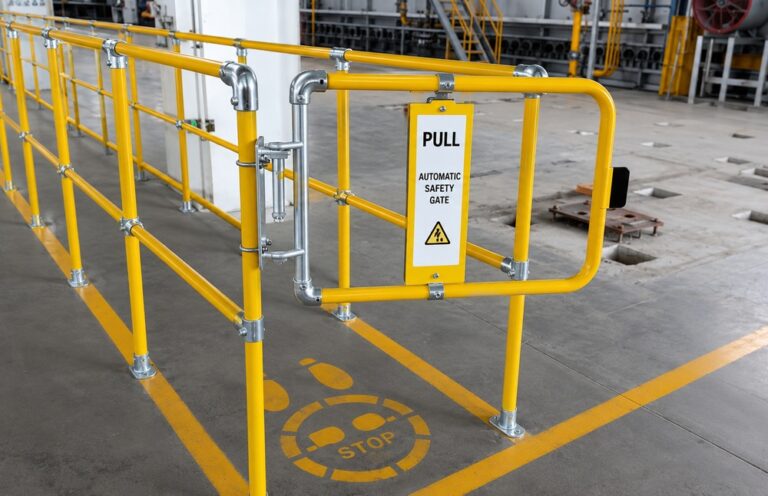
Wind projects normally require vehicle gates and pedestrian access gates to support equipment transport, maintenance vehicles and staff movement. Gate dimensions, opening method and gate-post structure can be customized according to road width, vehicle type and site-management requirements. For vehicle-access points, a dedicated vehicle gate system can be coordinated with the surrounding fence line.
Figure 6 | Metal gate integrated with the wind-farm perimeter system.
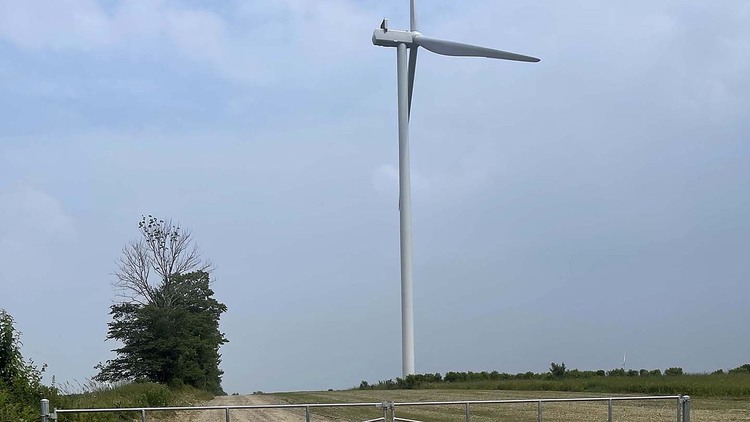
Figure 7 | Wind-farm access and operating environment.
4. Corrosion Protection for Wind Farm Fencing Systems
Wind-farm fencing remains outdoors for long periods, so corrosion protection should be selected according to the local climate and corrosive environment. Common options include hot-dip galvanizing, powder coating and PVC coating. In coastal, high-humidity or high-salt-spray conditions, higher-grade galvanizing or combined systems such as galvanizing plus coating may be used. Corrosion planning should cover not only fence panels but also posts, gates, connectors, welded areas and cut edges to avoid localized corrosion that could shorten overall service life and increase maintenance or replacement frequency. Related considerations also appear in corrosion protection for exposed industrial perimeter fencing.
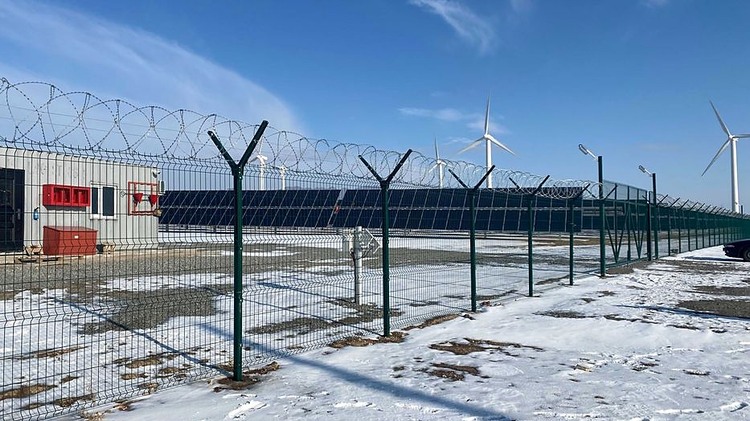
Figure 8 | Long-distance perimeter fencing operating in a cold-weather wind-energy environment.
Conclusion
Wind-farm perimeter fencing should be configured according to terrain, environmental exposure and the security level of each site zone. By combining appropriate fence types, gates and corrosion-protection systems, a project can balance security, durability and overall cost.
About CommandFence
CommandFence manufactures metal fencing, security fencing, gates and complete physical perimeter-protection systems. For wind-energy projects, the company can support scheme development, product selection, customized manufacturing and delivery coordination according to terrain, operating access and environmental exposure.
CommandFence also works with fencing distributors, dealers, agents, engineering contractors and project partners worldwide to develop long-term cooperation in fencing and perimeter-security projects.






Leave a Reply