
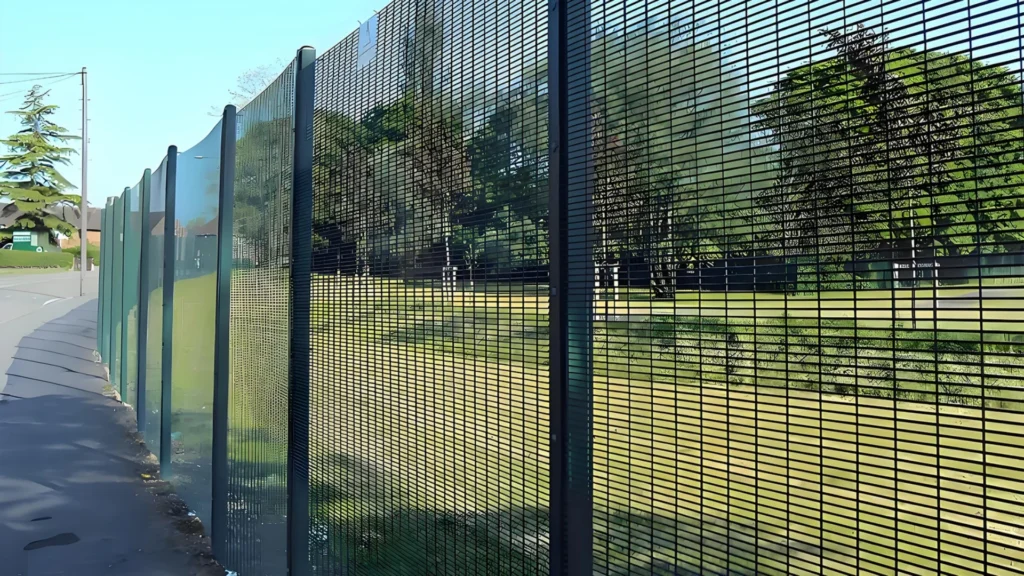
As energy, power infrastructure, data centers and large industrial facilities expand, project teams increasingly specify the durability and corrosion protection required for steel perimeter fencing. For EPC contractors and high-security industrial projects, material dimensions, zinc coating requirements, surface treatment and intended service life may all be defined in technical documents.
In manufacturing, different galvanizing requirements call for different production routes. Two common approaches are to fabricate from ungalvanized steel and hot-dip galvanize the completed components, or to fabricate with pre-galvanized steel tubes and galvanized wire before applying a powder coating.
1. Higher Zinc-Coating Requirements: Hot-Dip Galvanizing After Fabrication
Energy facilities, infrastructure and industrial sites with more demanding corrosion protection may specify a zinc coating mass exceeding 300 g/m², or require compliance with a particular hot-dip galvanizing standard.
For this route, production starts with ungalvanized hollow steel sections, often called black steel tubes. Common engineering descriptions are rectangular hollow section (RHS) and square hollow section (SHS).
|
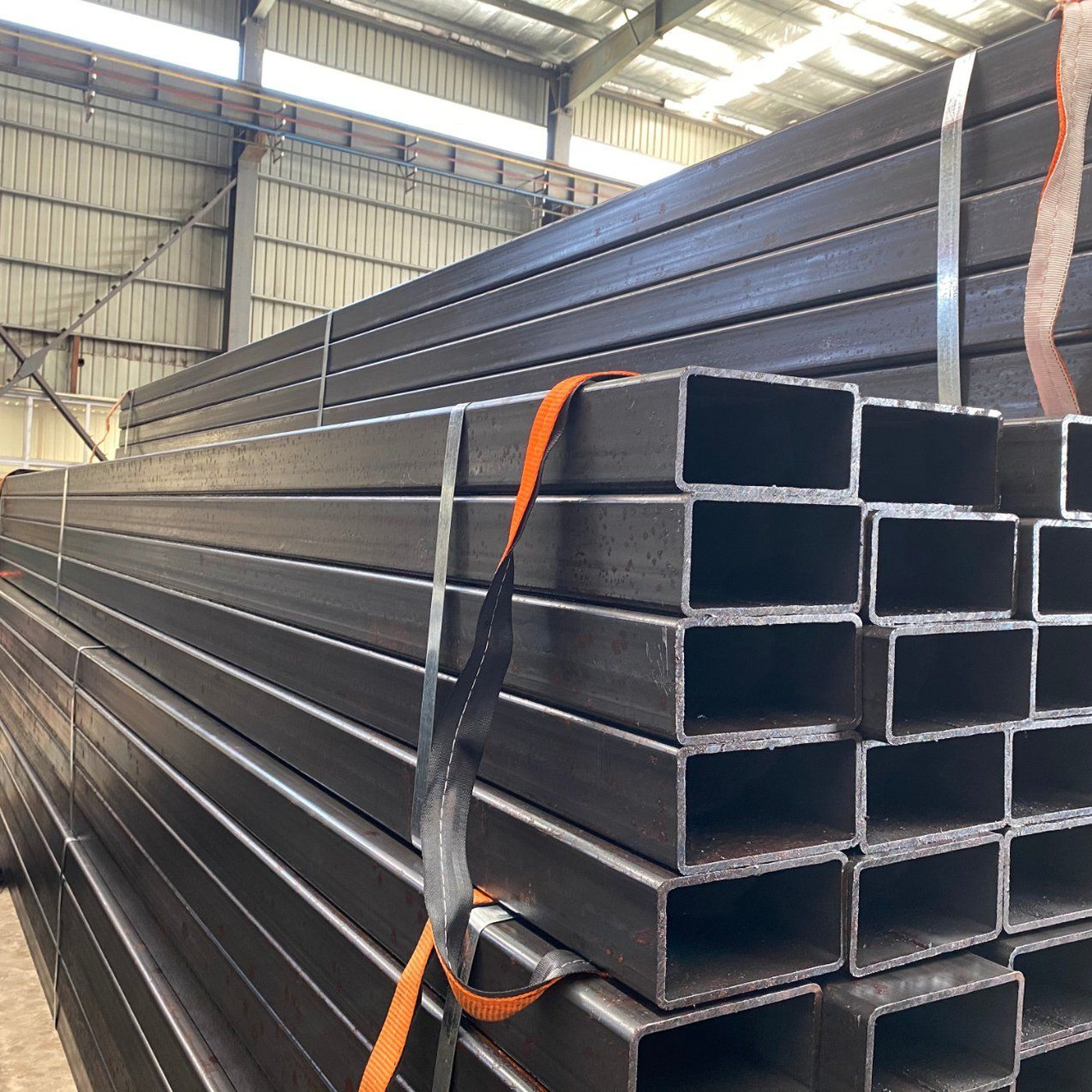
The black steel sections are cut, punched, welded and fabricated into fence panels, posts, gates or other structural components according to the project drawings. Only after the mechanical fabrication and welding are completed do the finished components undergo hot-dip galvanizing.
The key sequence is to fabricate first and galvanize the assembled steel components afterward.
|
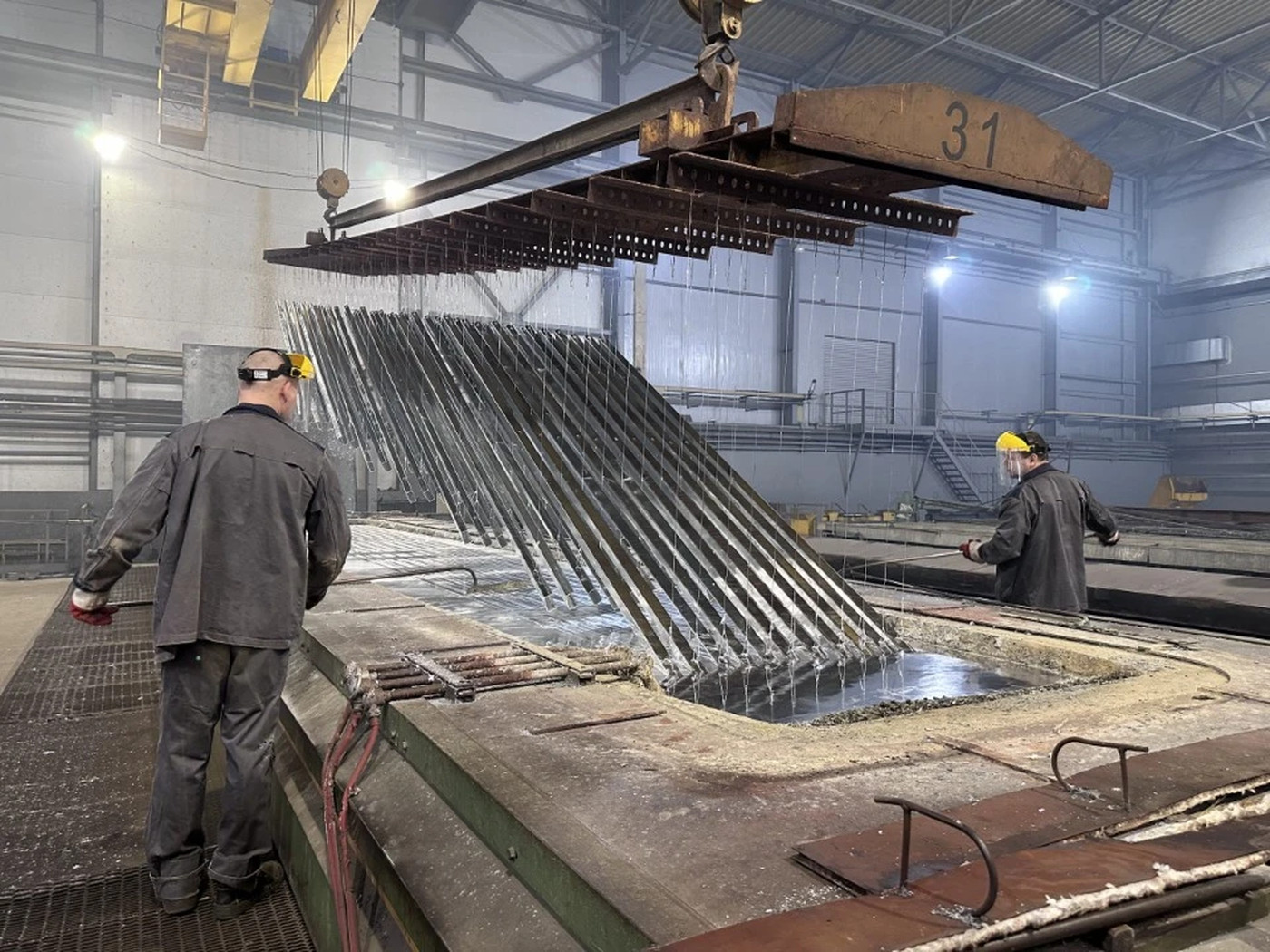
With appropriate process design, the subsequent galvanizing stage coats welds, cut edges, drilled holes and other fabricated areas. This route can therefore be advantageous when long service life or higher corrosion resistance is required.
A specification in g/m² expresses zinc mass per unit surface area, whereas a coating requirement in micrometres (μm) expresses thickness. They should not be treated as interchangeable acceptance criteria without considering the applicable standard, substrate and measurement method. For further procurement context, see the comparison of 40 μm and 75 μm galvanized fencing.
2. Pre-Galvanized Steel + Powder Coating: Duplex Protection
Other projects may specify a comparatively moderate zinc coating mass, such as 275 g/m² or a lower project-defined value, while also requiring a particular color and an additional surface barrier.
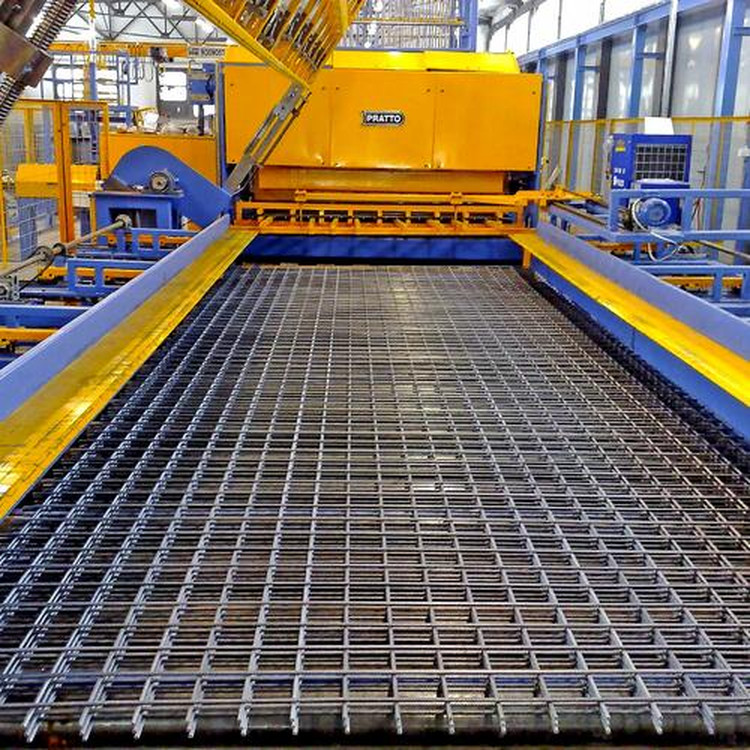
For these projects, pre-galvanized hollow steel sections and galvanized steel wire can be selected to meet the material specifications. The materials are then welded, formed and assembled into the fence system before powder coating.
|
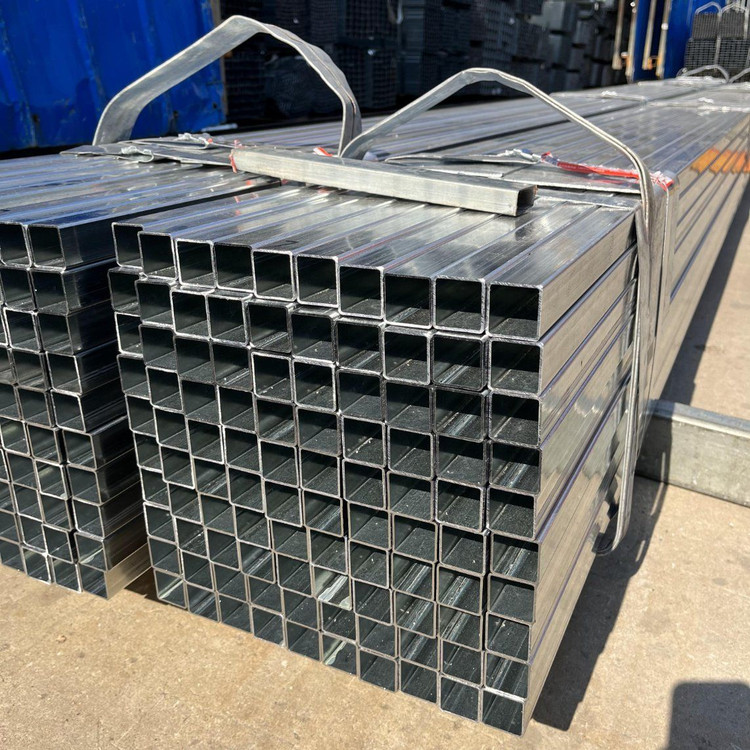
This combination forms a duplex corrosion-protection system. The zinc layer provides underlying protection, while the powder coating supplies an additional environmental barrier and gives the finished fencing its specified appearance or RAL color.
|
|
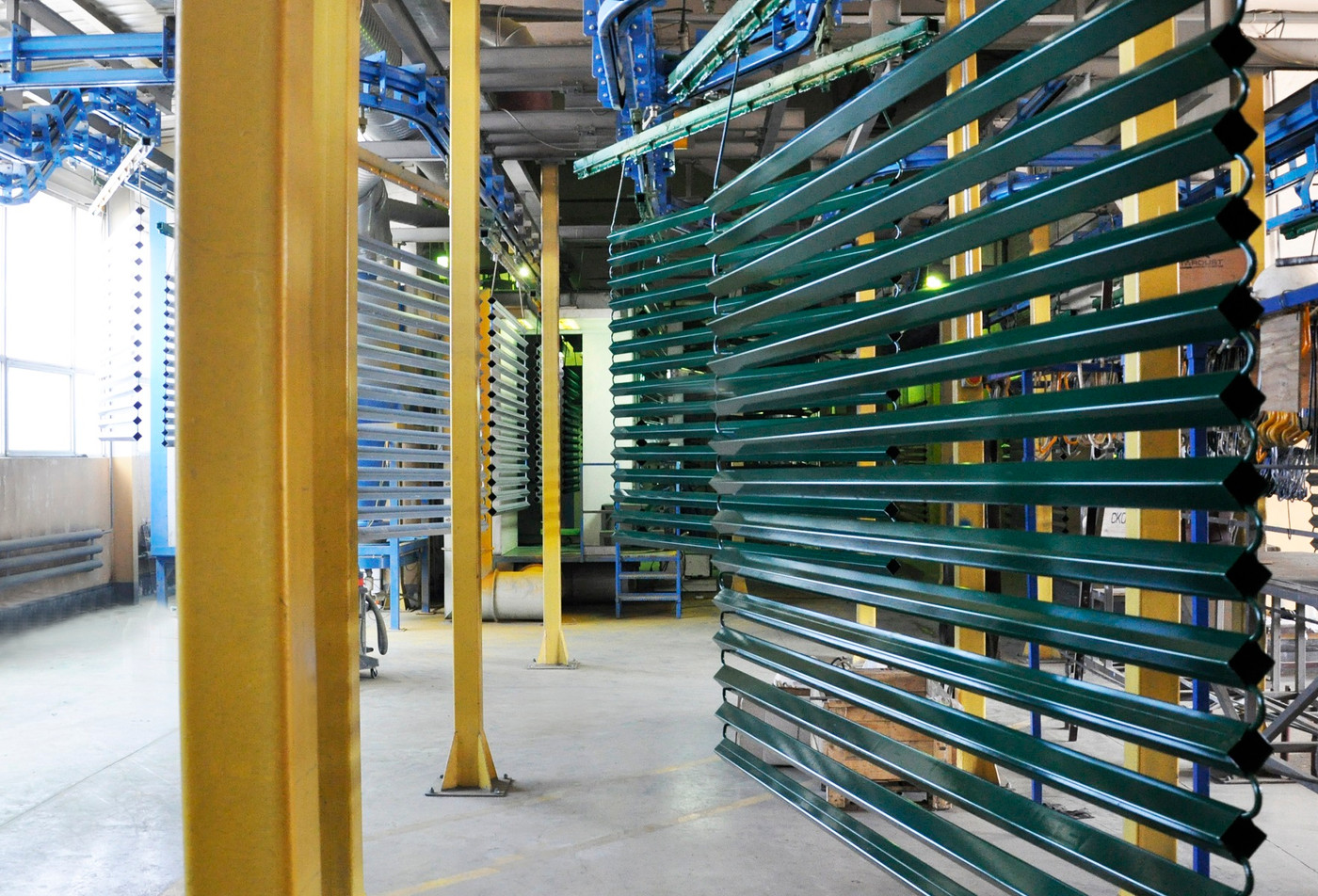
For industrial parks, public facilities, energy sites, commercial applications and long-term outdoor fencing, this route can balance environmental protection, visual appearance and project cost.
However, a value such as 275 g/m² remains a zinc coating-mass requirement. Galvanized sheet, tubes and wire may be subject to different definitions, test procedures and acceptance rules. Compliance must be evaluated against the customer’s technical specification and the applicable material standard, rather than against the g/m² figure alone.
For examples of corrosion considerations in challenging environments, see corrosion-resistant fencing for coastal projects.
3. Engineering Projects Require the Right Manufacturing Route
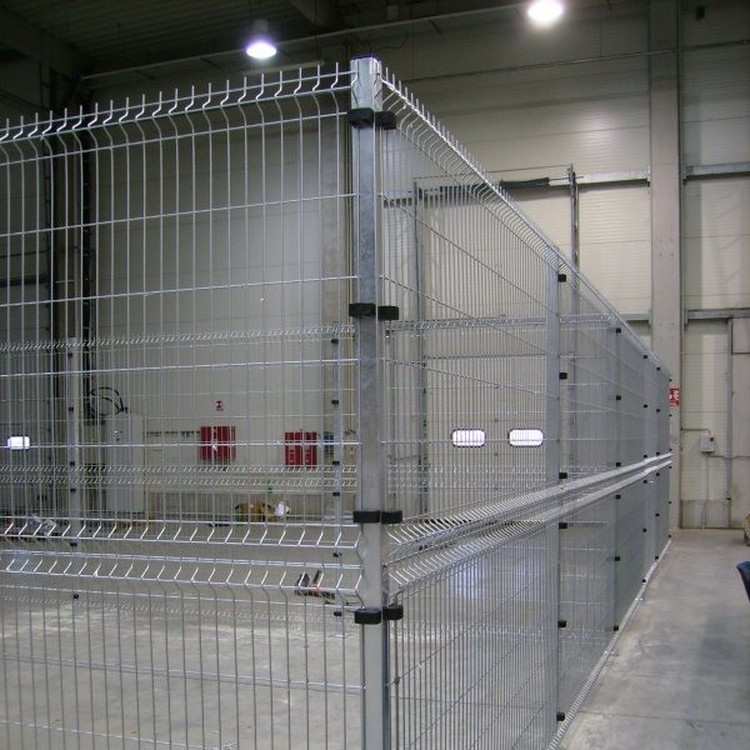
Unlike standard stocked fencing, engineered perimeter systems can require project-specific pipe dimensions, wall thickness, wire diameter, mesh aperture, welding method, zinc coating, powder-coating system, RAL color, gate structure and installation configuration.
| Project requirement | Typical manufacturing route |
|---|---|
| Higher zinc-coating requirements | Ungalvanized RHS/SHS → cutting and welding → hot-dip galvanizing of finished components |
| Pre-galvanized materials with a colored finish | Pre-galvanized tubes and galvanized wire → fence fabrication → powder coating → duplex system |
Although finished products from these routes may appear similar, the base materials, production sequence and corrosion-protection systems are different. Procurement should therefore select a manufacturing method based on the exposure environment, target service life and the approved technical specification.
|
Project-Specific Fencing Starts with Material Selection
Engineering customization involves more than changing panel height, width or mesh size. Raw material selection, steel fabrication, welding, galvanizing, powder coating and final inspection should all be aligned with project documentation.
CommandFence can evaluate customer drawings, steel and wire specifications, coating requirements and custom structural configurations to propose a manufacturing route appropriate to the project. This may involve hot-dip galvanizing after fabrication or the use of pre-galvanized materials combined with powder coating.
For projects with special zinc-coating requirements, specified RAL colors, non-standard dimensions or custom gate and fencing structures, technical drawings and project requirements can be submitted for a manufacturing assessment and quotation. More examples of related surface-treatment quality considerations are available in our hot-dip galvanized fencing quality case.
Explore CommandFence perimeter fencing solutions for project-specific product and fabrication support.



Leave a Reply