
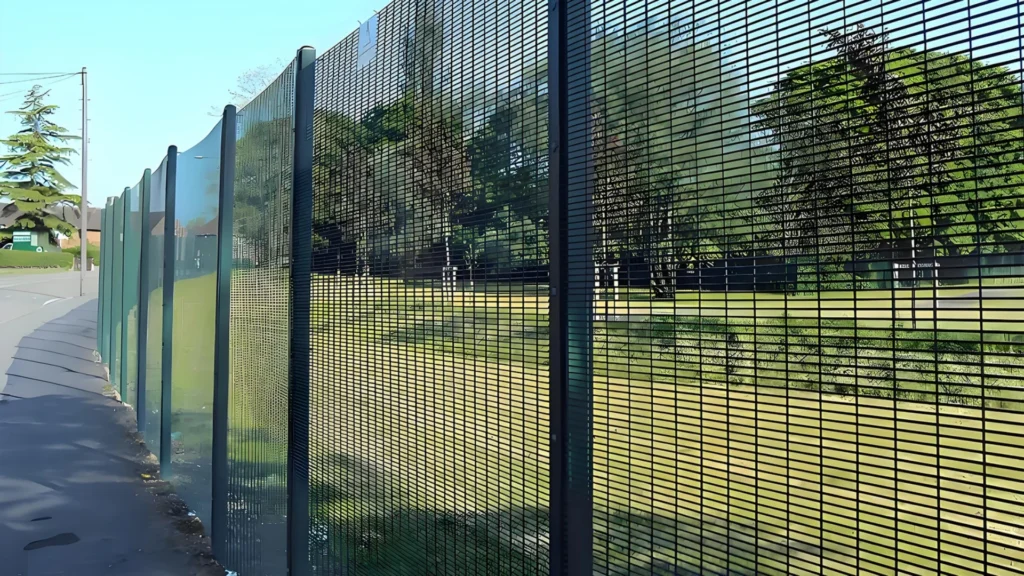
358 Anti-Climb Fencing as a Perimeter Security System for Critical Energy Infrastructure
In recent years, global energy supply chains have continued to face pressure from geopolitical developments, regional conflicts and risks affecting energy transportation. At the same time, perimeter security at critical energy infrastructure—including refineries, LNG receiving terminals, oil and gas storage and transfer facilities, and large petrochemical complexes—has received increasing attention. For major petrochemical projects, security is not limited to process equipment, fire-protection systems and control systems; the external perimeter is also part of the overall site-security architecture. In overseas EPC projects, perimeter fencing is normally developed against the project security requirements, technical specifications and general arrangement or site layout drawings. For higher-security perimeter zones, 358 anti-climb fencing has become a commonly specified solution. The engineering challenge, however, is not simply to purchase “358 mesh panels”, but to develop a complete fencing package that can pass technical approval, be manufactured and inspected, and be installed correctly on site.
|
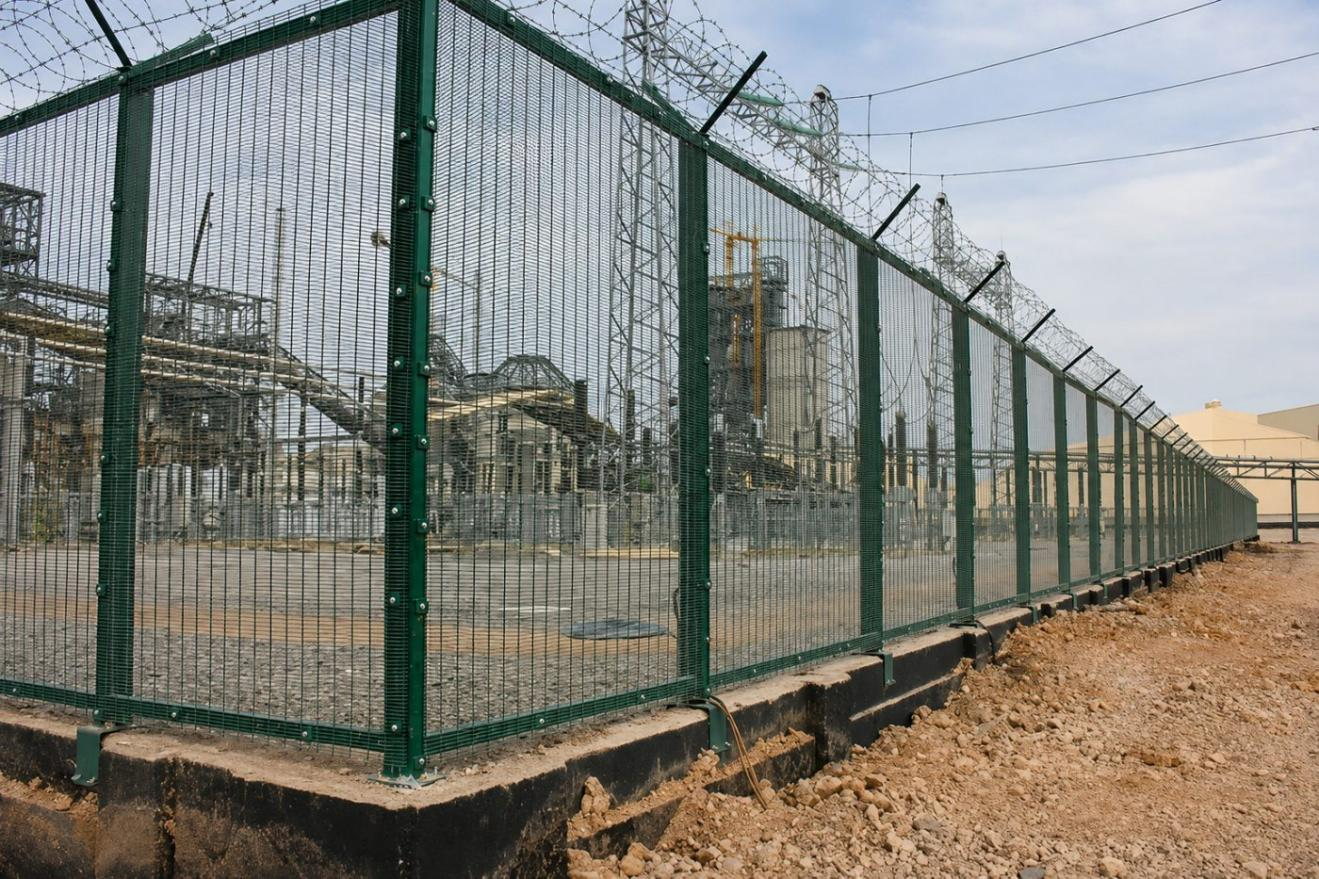
1. Why Is 358 Fencing Commonly Specified for Overseas Petrochemical Perimeters?
A typical 358 mesh configuration uses:
- Mesh aperture: 76.2 × 12.7 mm
- Wire diameter: approximately 4.0 mm
Final dimensions and material parameters should always be confirmed against the project technical specification.
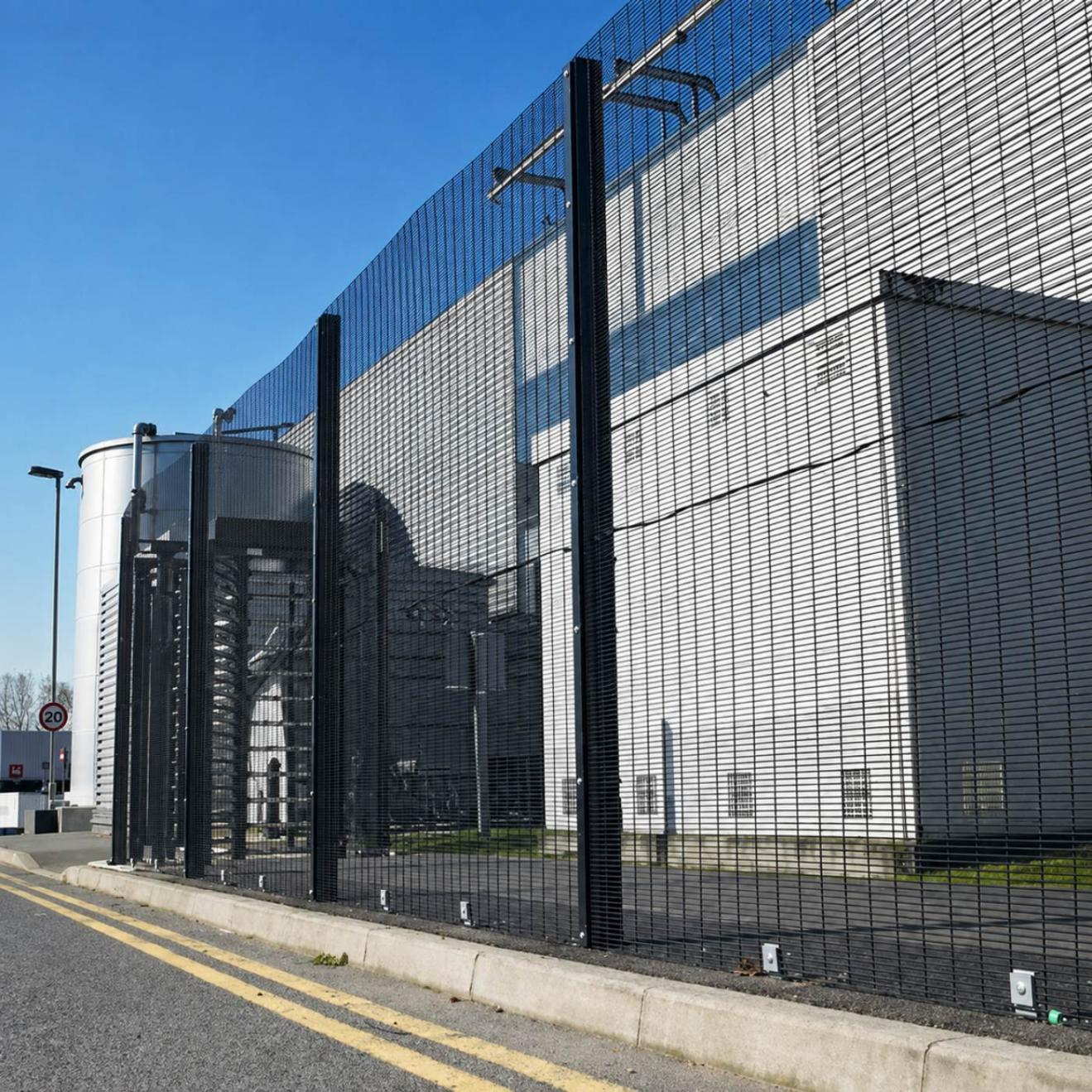
Compared with conventional 2D or 3D welded mesh fencing, the small aperture of a 358 panel makes it difficult to obtain effective handholds or footholds for climbing while still maintaining good visibility through the perimeter. This makes the system particularly suitable for refineries, LNG facilities, oil terminals, tank farms and other restricted areas requiring higher levels of perimeter protection.
Project Definition Goes Beyond the Mesh Panel
Specifying “358 fencing” alone is not sufficient for a project package. The supplier must continue the technical definition against the design documents and confirm:
- Fence height
- Post section and size
- Post spacing
- Foundation or base-plate interface
- Panel-to-post connection arrangement
- Gate details
- Top-security treatment or topping configuration
These requirements must ultimately be incorporated into detailed engineering drawings and technical submittals before the package is released for formal manufacturing.
|
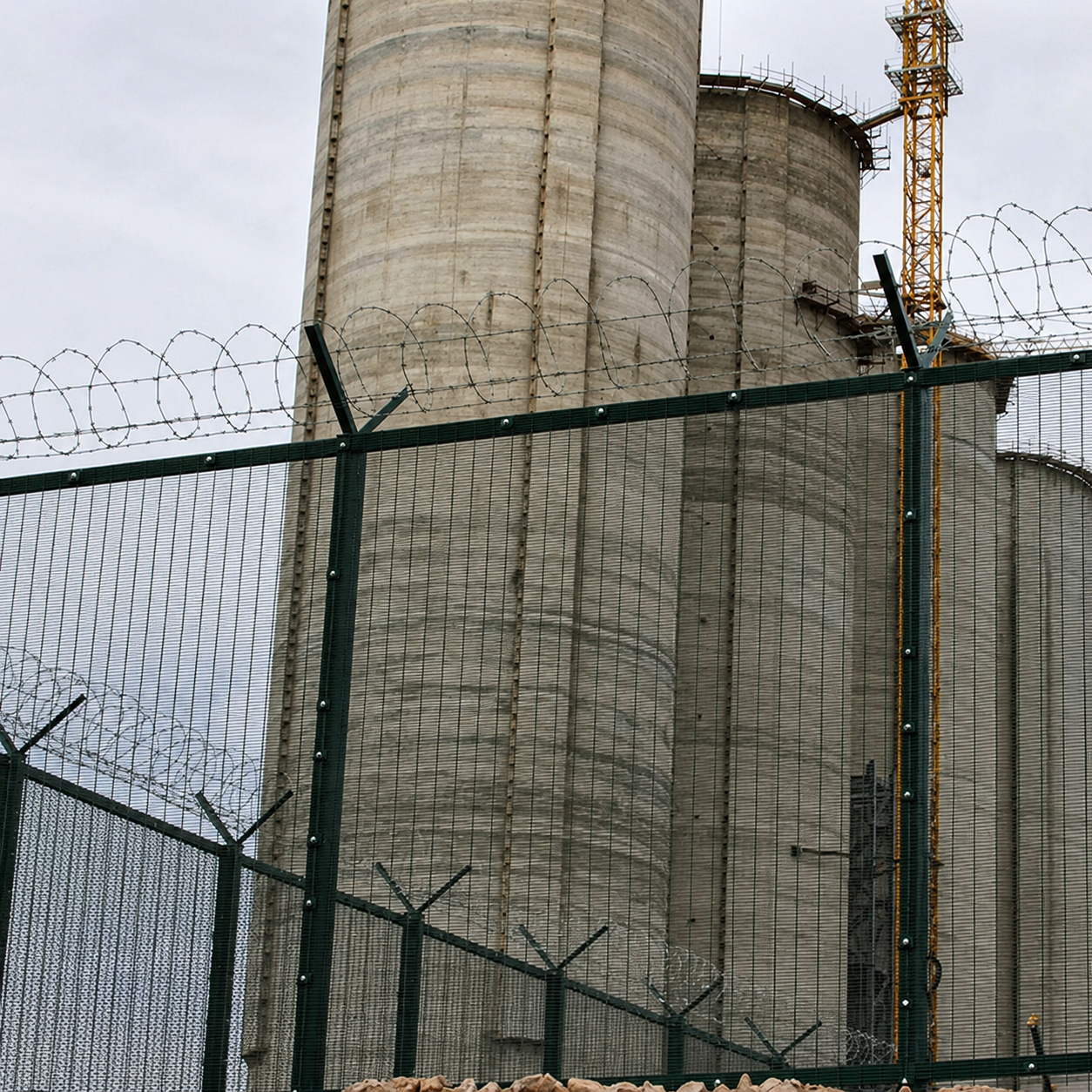
2. For Petrochemical Projects, the Corrosion-Protection System Is a Critical Engineering Requirement
Petrochemical facilities—particularly coastal refining complexes, LNG receiving terminals and port energy projects—may expose perimeter fencing to high humidity, salt-laden atmospheres and industrial environments for long periods. For this reason, a technical specification should not stop at a general statement such as:
Hot-dip galvanising + powder coating
The coating requirement should be translated into parameters that can be manufactured, measured and inspected, for example:
- Zinc coating mass
- Zinc coating thickness
- Powder-coating dry film thickness
- Surface preparation
- Corrosion protection for fasteners
- Repair of welded areas
- Repair of coating damage
Corrosion Protection Must Be Consistent Across the Complete Assembly
The corrosion-resistance level of the mesh panels, posts, connection components and fasteners should be coordinated as one system. If the main fence components meet the project requirement but the fasteners or connection hardware have a lower protection level, these components can still become weak points in the long-term durability of the perimeter system.
The defined requirements should be carried into the material data sheets, corrosion-protection/coating system and Inspection and Test Plan (ITP), so that they form part of the manufacturing and acceptance basis.
|
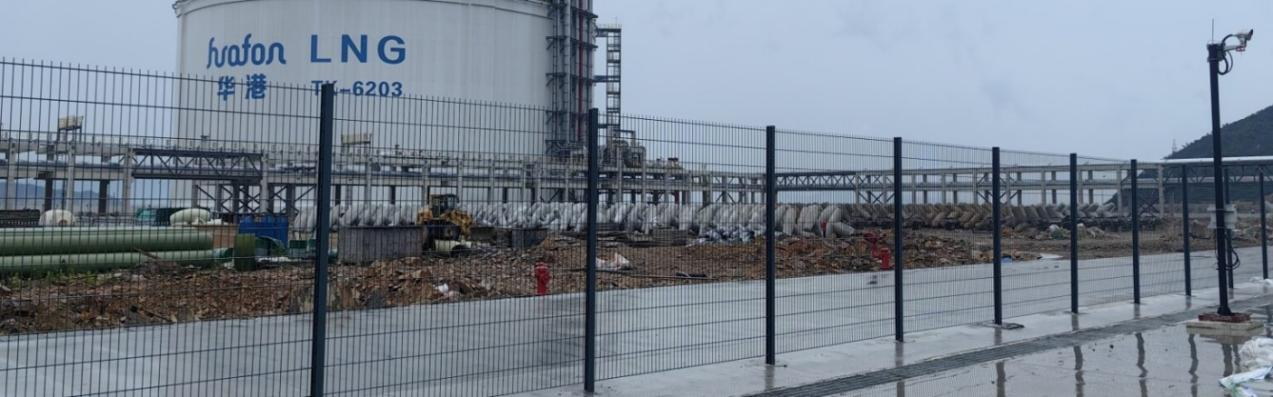
3. EPC Projects Procure a Complete Fencing System, Not a Standard Fence Panel
For overseas EPC projects, a fencing supplier will typically receive a package containing:
- Technical specifications
- General arrangement / site layout drawings
- Bill of Quantities (BOQ)
- Typical detail drawings
- Project standards
These documents establish the design intent, but many product-level parameters still need to be developed and finalised by the specialist fencing supplier during detailed engineering.
Typical Supplier Technical Submittals
- Detailed engineering / shop drawings
- Fence elevations
- Typical sections
- Connection details
- Gate details
- Material data sheets
- Compliance matrix
- Corrosion-protection / coating system
- Inspection and Test Plan (ITP) / Quality Control Plan (QCP)
|
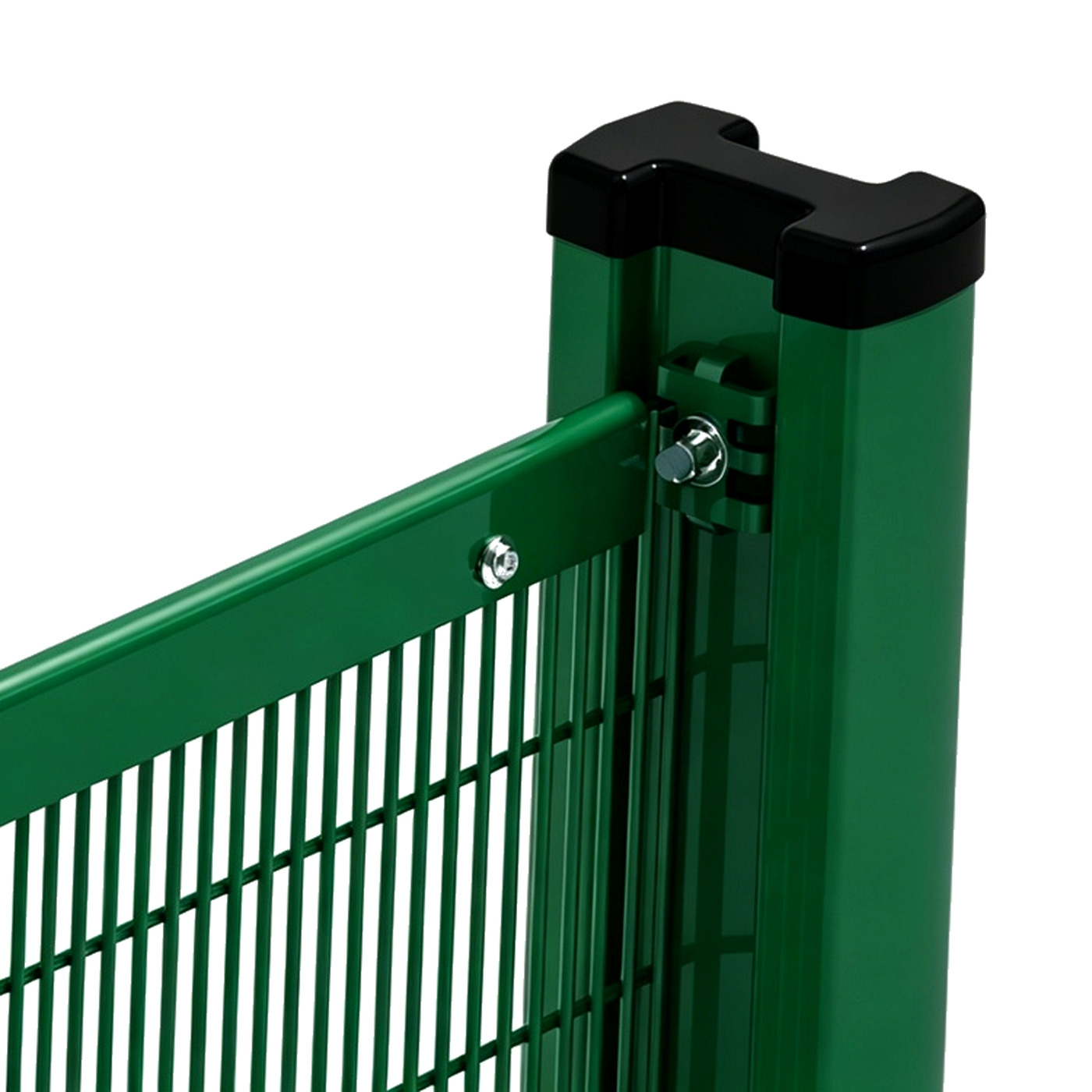
Role of the Specialist Supplier: After review by the EPC contractor, project management company, consulting engineer or owner’s engineering team, the relevant documents must reach the approval status required by the project before they can be used as the formal basis for manufacturing. The specialist fencing supplier is not expected to redesign the project. Its role is to work within the approved technical specification and design intent, converting those requirements into product parameters that can actually be manufactured, installed, inspected and accepted.
4. Technical Compliance Matters More Than a Simple Quotation
Price is important in overseas project tendering, but the technical evaluation also determines whether a supplier can progress to the next procurement stage. A project may, for example, specify:
- 2400 mm fence height
- 4.0 mm wire diameter
- Specified post section and size
- Specified galvanising requirement
- Specified dry film thickness
- Specified anti-tamper fasteners
A supplier should not respond only with “compliant”. A useful technical response should clearly identify:
- Proposed parameters
- Material grades
- Reference drawings
- Corrosion-protection / coating system
- Applicable standards
- Deviations, if any
If the project requirement differs from the factory’s standard product, the difference should be raised during technical clarification rather than being discovered after manufacturing has started. For EPC projects, the more thoroughly the technical issues are resolved at the front end, the lower the uncertainty during manufacturing and site installation.
|
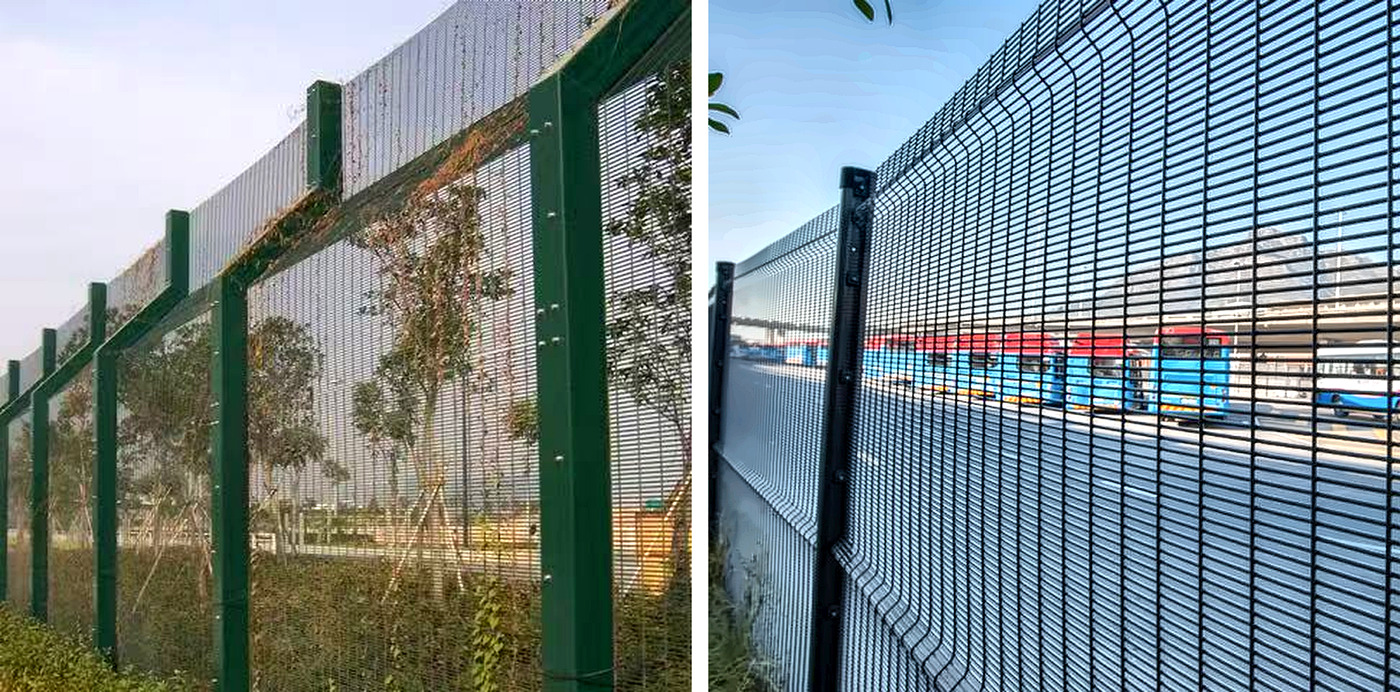
5. Project Case: Peru Port Perimeter Fencing System
For a port project in Peru, Command participated in the tender for the perimeter fencing system and was successfully awarded the supply package.
Following award, the mesh panels, posts, connection methods and surface corrosion-protection system were further confirmed against the project design documents and technical requirements.
After the technical parameters had been agreed, production was organised at the factory in China in accordance with the confirmed requirements, followed by export to the project site.
|
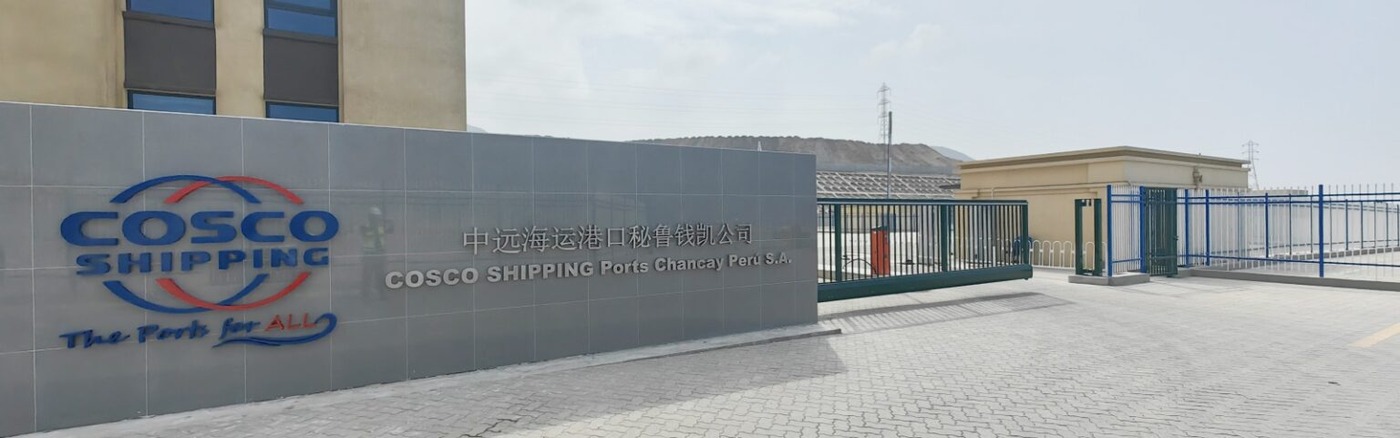
5.1 Project Delivery Support: Site Installation Guidance and Technical Assistance
After the products arrived in Peru, Command arranged technical personnel to support the site team with installation guidance and technical assistance, focusing primarily on:
- Surveying and setting-out
- Post spacing
- Connection details
- Gate installation
- Site adjustment
The on-site installation guidance continued for approximately one month to help ensure that the fencing system was installed and delivered in accordance with the project requirements.
|
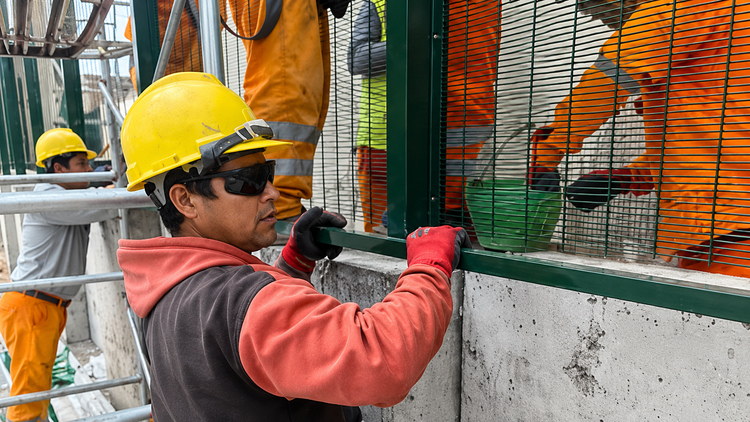
Complete Execution Logic for an Overseas Industrial Fencing Package
Design requirements → Technical clarification → Detailed engineering → Approval → Manufacturing → Export → Site installation support
|
6. Conclusion
As global energy-security concerns and critical-infrastructure protection requirements continue to increase, refineries, LNG facilities and oil and gas projects are placing greater emphasis on perimeter-security systems.
Because of its small aperture, reduced climbability and good visibility for surveillance, 358 anti-climb fencing has become a commonly used perimeter solution for higher-security applications in overseas projects.
For an EPC project, however, 358 fencing is only the product form. Successful execution depends on whether the supplier can correctly interpret the technical specification, complete the required detailed engineering and vendor-document submittals, and then manufacture, inspect and support installation in accordance with the approved requirements. The project is not procuring a single 358 mesh panel; it is procuring a perimeter fencing system that must be executable from design documents through final site acceptance.
Planning a Petrochemical or Energy-Infrastructure Perimeter Project
When a project has technical specifications, a general arrangement or site layout, a BOQ and initial perimeter details, CommandFence can help develop the fencing package into coordinated product parameters, detailed drawings, corrosion-protection requirements, custom manufacturing and installation preparation.
Engineering Note: Final fence height, mesh and post parameters, connection details, foundations, anti-tamper hardware and corrosion-protection requirements should be confirmed against the project technical specification, approved drawings and applicable project standards before manufacturing.





Leave a Reply