When it comes to solar power plants, the fence isn’t just a boundary—it’s a critical part of the whole system. And no, not just any fence will do. Here’s what really matters when choosing fencing for a photovoltaic (PV) site:
1. Safety First—Keep People Out (and Safe)
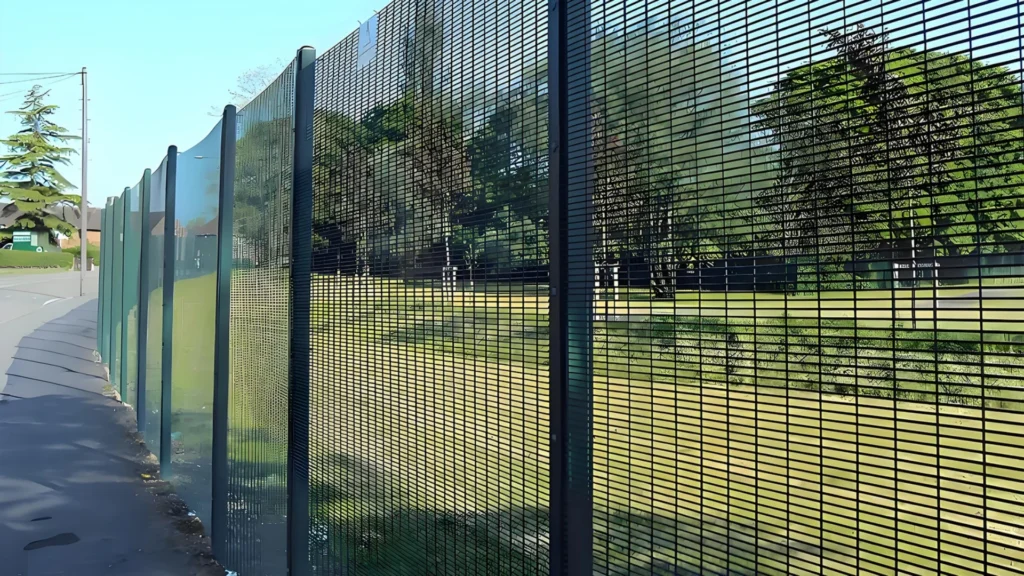
A solar farm fence needs to clearly mark the perimeter and stop unauthorized access—whether it’s curious visitors, trespassers, or even workers wandering into high-voltage zones. That means proper height (usually 6–8 ft), anti-climb design, and compliance with local safety codes. One weak spot? That’s all it takes.
2. Protect Against Wildlife & Vandalism
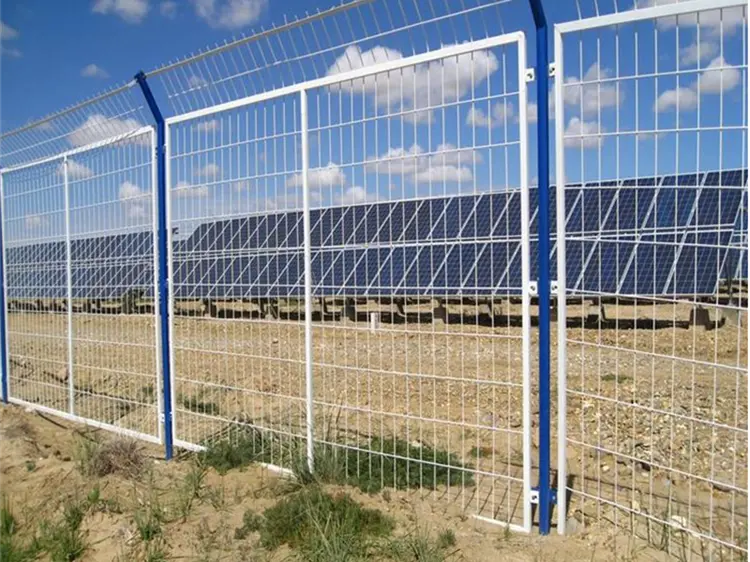
Birds, rodents, wild boars—even stray cattle—can damage cables, inverters, or panels. A sturdy fence acts as the first line of defense. Bonus: it also deters theft and vandalism, which are real concerns in remote installations.
3. Looks Matter (Yes, Even for Solar!)
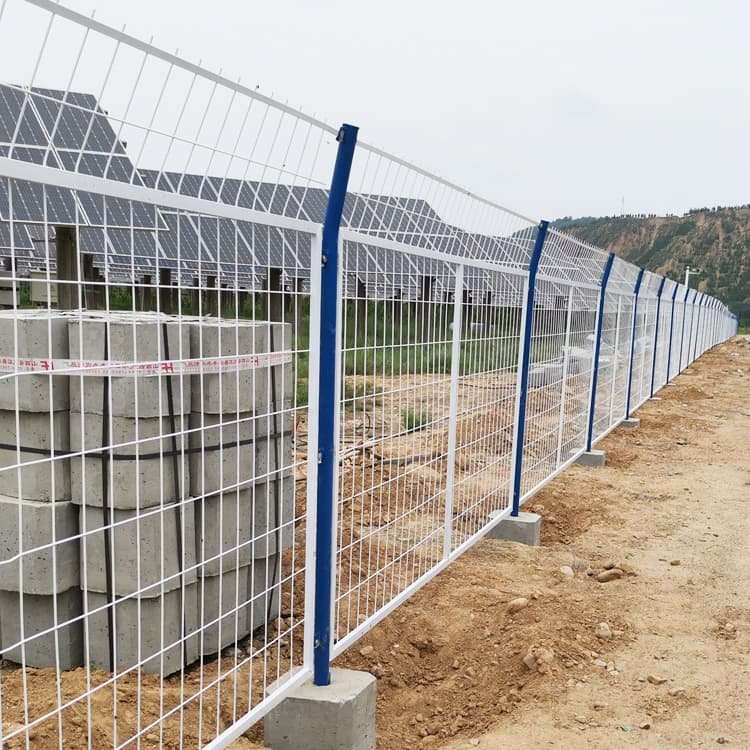
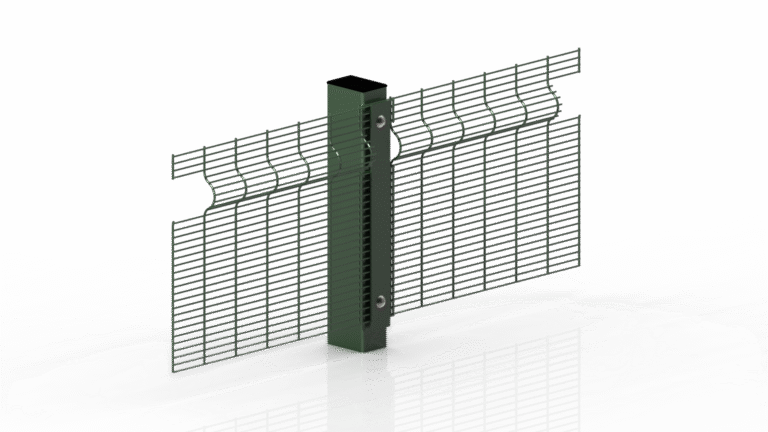
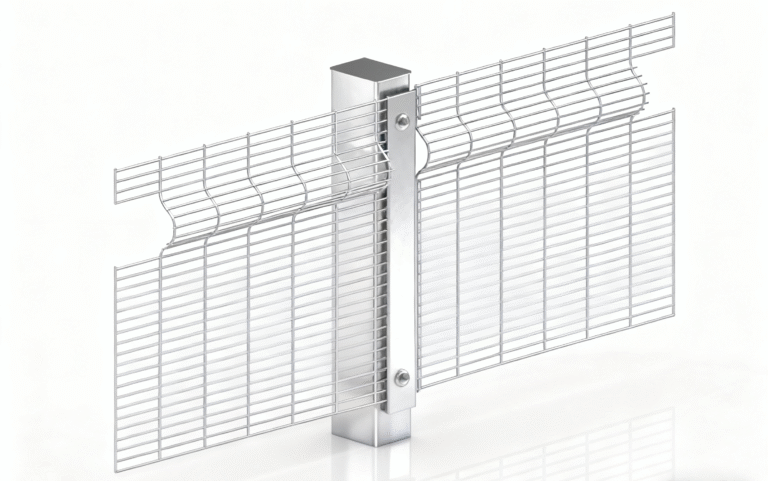
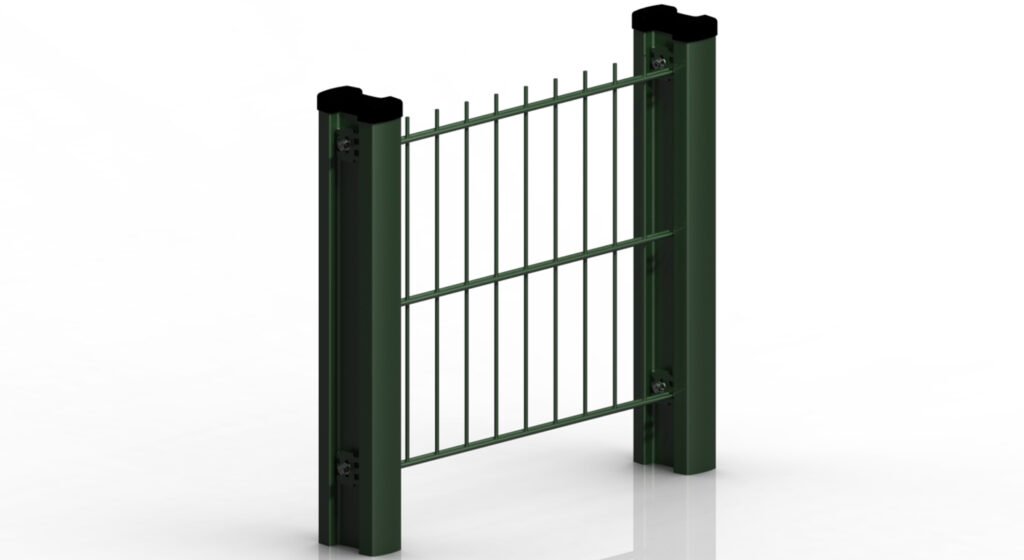
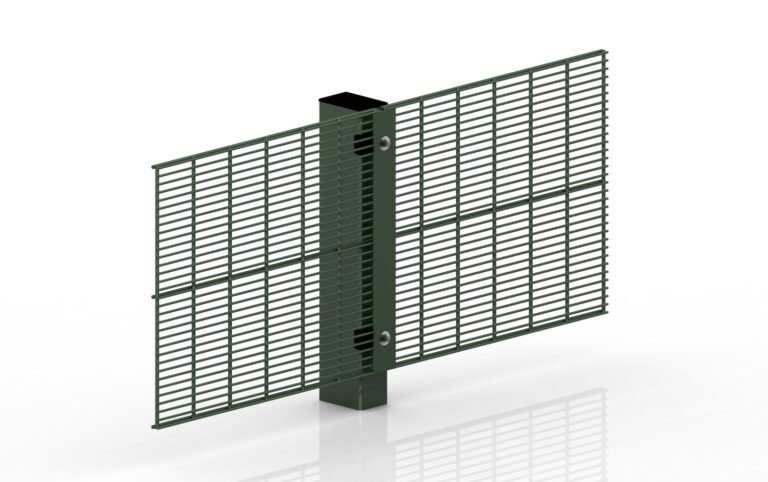
Solar farms often sit near communities, highways, or scenic areas. A clean, low-profile fence—like clear-view welded mesh or powder-coated galvanized panels—blends in better than rusty chain link. Good design shows you care about more than just watts—you care about the neighborhood too.
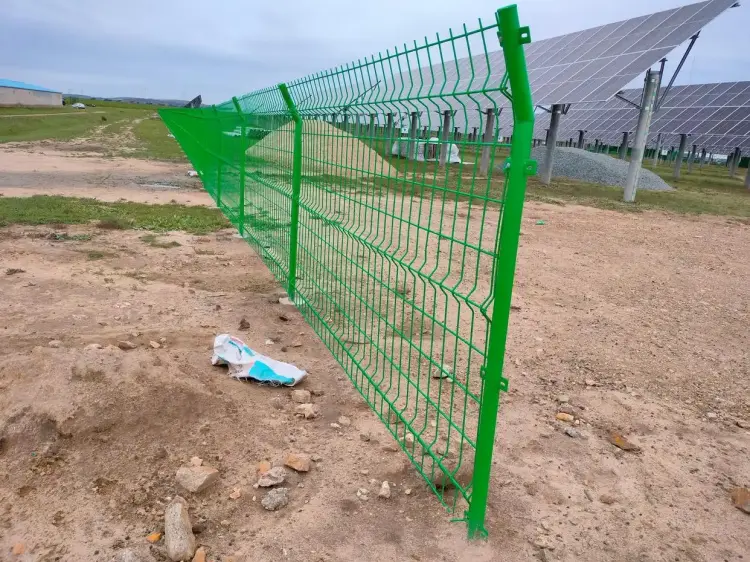
4. Where You Install It Counts
Fencing isn’t just around the outer edge. You’ll also need secure barriers around:
- Inverter stations
- Substations
- Access roads
- Equipment yards
Each zone may need different specs—higher security here, easier access there.
The Bottom Line
A well-chosen fence does way more than “mark the line.” It protects your investment, ensures operational continuity, and supports long-term reliability of your solar project. Cutting corners on fencing? That’s a risk most developers can’t afford.
Pro tip: Go for hot-dip galvanized + powder-coated steel—it lasts 20+ years in harsh sun, rain, or desert dust, with zero maintenance.



发表回复