
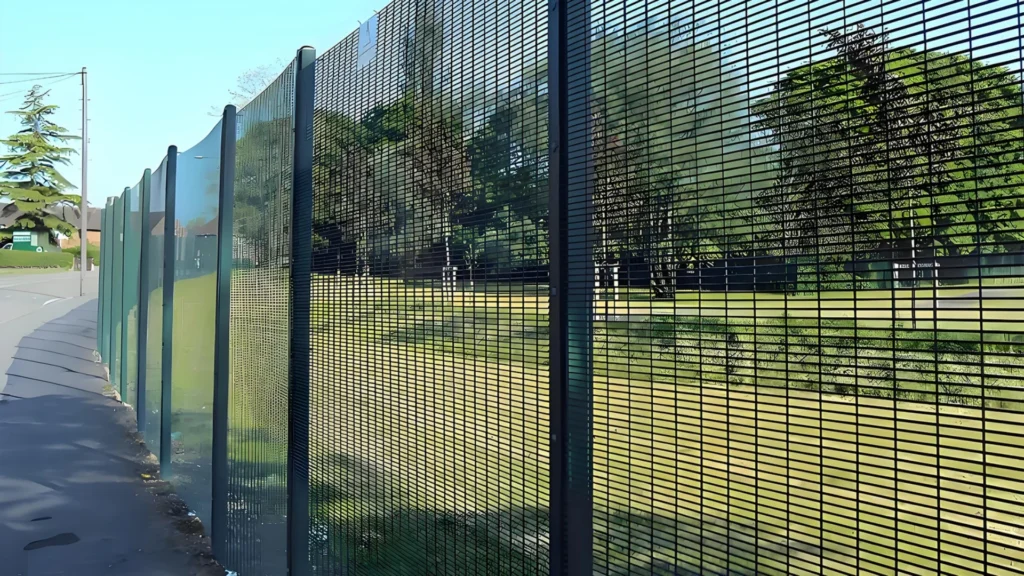
Make quotations comparable.Resolve the missing specifications.
Turn a customer drawing or reference photo into a defined purchase schedule. Clarify wire sizes, coatings, supporting components and shipment scope before comparing prices.
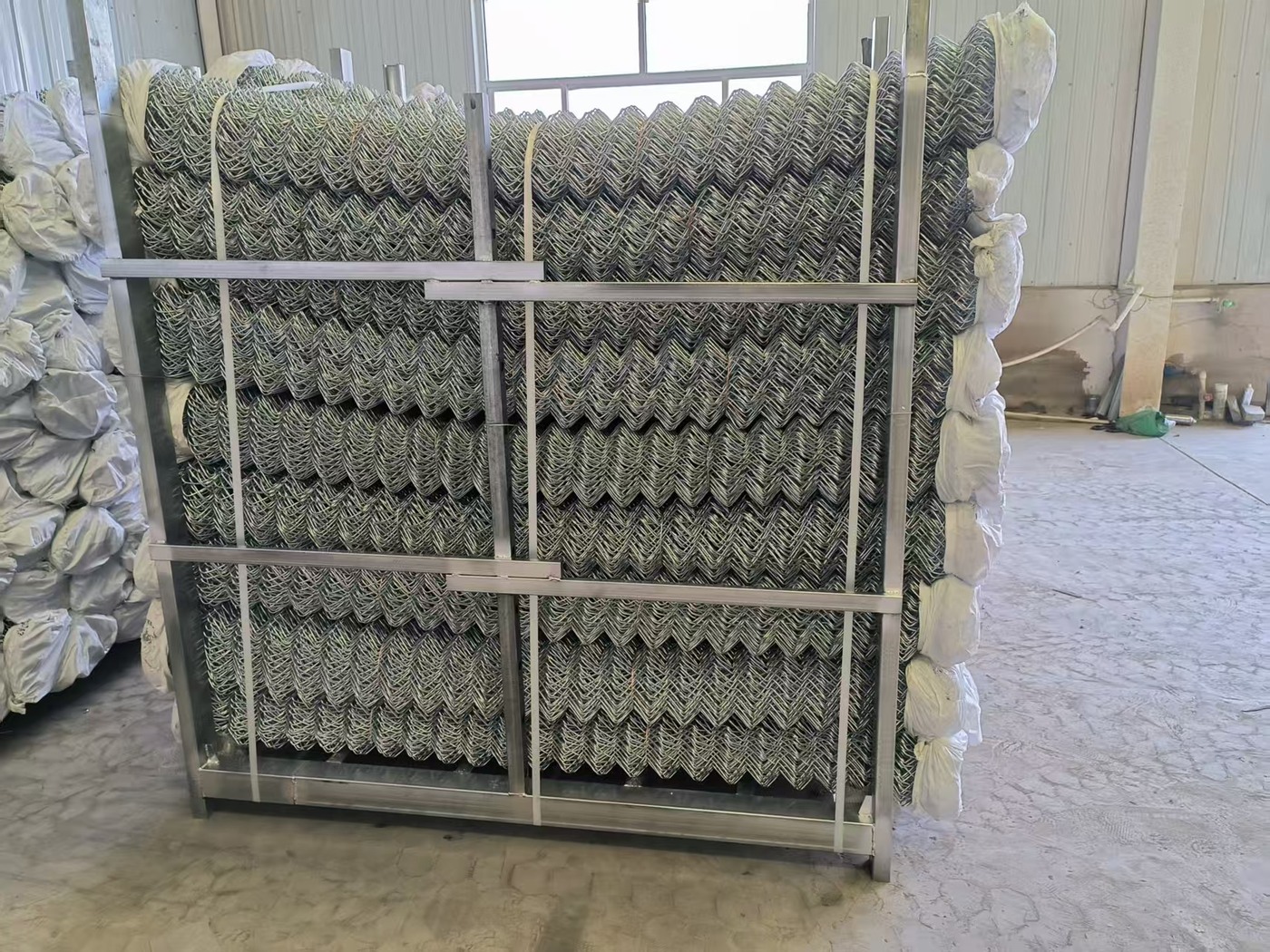
Resolve the engineering questions first
Use the actual layout, operating conditions and installation interfaces to define the complete fence system.
Measurable mesh details
For welded panels, list width, height, wire diameters and apertures. For chain link, list mesh height, opening, wire size, roll length and edge treatment.
Core versus coated size
For PVC-coated wire, state steel core and finished outside diameters separately. Confirm the gauge system before converting a customer requirement to millimetres.
Complete quotation scope
Separate mesh, line posts, terminal posts, gates and fittings. List rails, bracing and tensioning components where the specified system requires them.
Packing & trade basis
State the trade term and named place, destination, packing needs and unloading constraints. Check the load plan against actual sizes and weights.
Compare products against the resolved requirements
These are starting points for selection. Review the actual configuration, supporting components and interfaces before confirming a product.
| Producto | Relevant Use | Review Together |
|---|---|---|
| 3DT Metal Fence Mesh → | General welded mesh enquiries | Panel size, wire configuration, posts and coating |
| 2DG Metal Fence Mesh → | Rigid double-wire mesh enquiries | Wire diameters, mesh spacing and connections |
| 358G 2D Metal Fence Mesh → | Small-aperture security mesh enquiries | Panel configuration, posts, finish and toppings if specified |
| BS/EN HDG Chain Link Fencing → | Long perimeter and chain-link orders | Wire diameter, opening, roll size, tensioning and supports |
Confirm dimensions, component quantities, coating and drawing revisions. A product name alone does not define the complete supply or establish project compliance.
From site information to an agreed supply schedule
Close the technical questions and confirm the document revision before releasing the supply schedule.
Normalize the enquiry
Create one specification schedule and flag unanswered requirements.
Compare like for like
Show differences in wire, posts, coatings and included components separately.
Confirm samples & revisions
Record what each sample represents and identify the approved specification.
Review dispatch documents
Match the packing list and agreed inspection records to the order.
Explore the details behind the decision.
Selected articles and applications related to your cooperation needs.
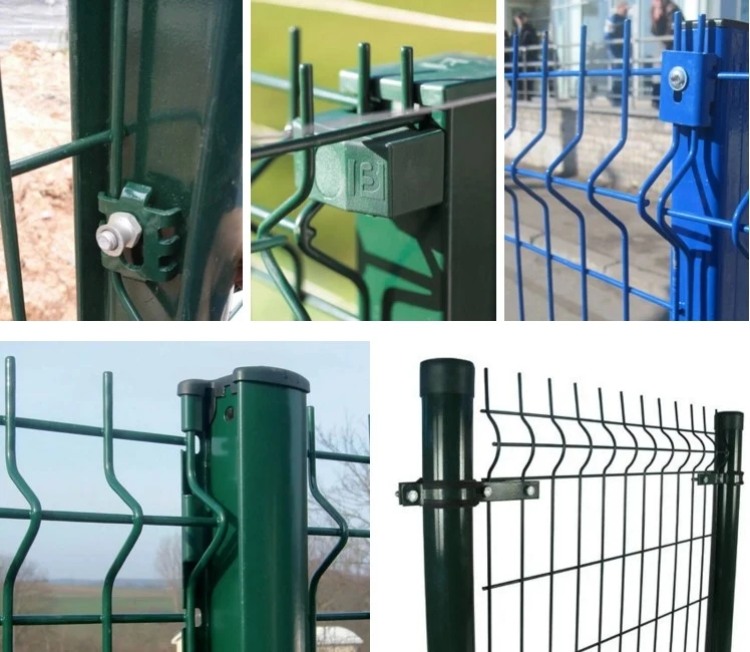
Choosing Products for Local Markets
A practical guide to market demand, product combinations, landed-cost considerations and repeat purchasing.
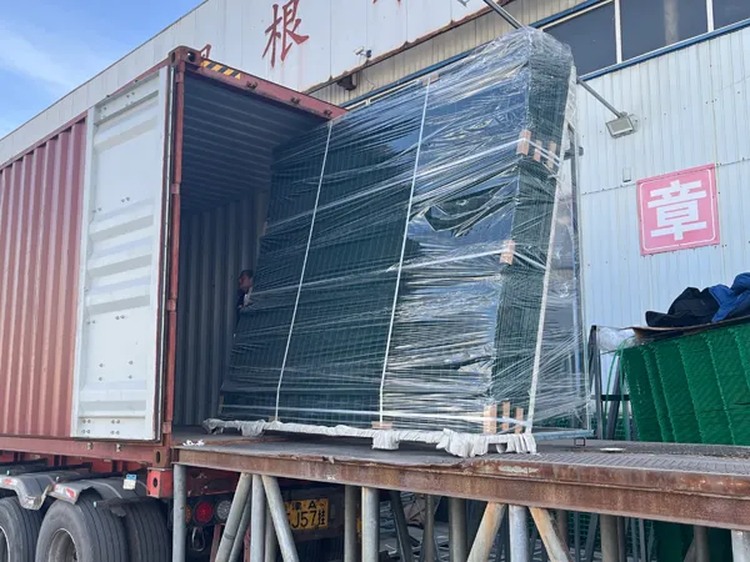
Packaging for Export Shipments
Read about packaging considerations for panels, posts and components during overseas transport.
A useful starting point.
Send the current site information and identify what remains open. We can then review the configuration, component scope and interfaces.
- Customer drawings, standards and required editions
- Dimensions, wire sizes, coating and quantities
- Separate mesh, post, gate and fitting schedules
- Trade term, named place, destination and packing requirements
Send Your Sourcing Enquiry
Contact Command Fencing with your requirements to discuss the appropriate products and supply scope.
Before we start.
Is the same gauge always the same wire diameter?
No. Confirm the gauge convention and write the agreed dimension in millimetres. For coated wire, distinguish the core from the outside diameter.
Does a per-metre price include posts and fittings?
Do not assume it does. Ask for an itemized scope and the layout used to calculate the quantities.
Can several systems share one shipment?
Provide the full list so packing, loading and unloading can be reviewed. Container quantities depend on the actual products and packing plan.

