
Construction fencing isn’t just about marking boundaries—it’s your frontline defense for safety, compliance, and smart budgeting. But here’s the real question: should you go temporary or permanent? The answer might surprise you.
Why Construction Fencing Matters More Than You Think
Let’s be honest—most people see fencing as just another construction expense. But what if I told you it could actually become a money-making asset? The key is thinking beyond the immediate project and planning for long-term value.
Instead of viewing fencing as a one-time cost, smart construction managers are transforming it into a reusable investment that pays dividends across multiple projects. Here’s how the two main options stack up.
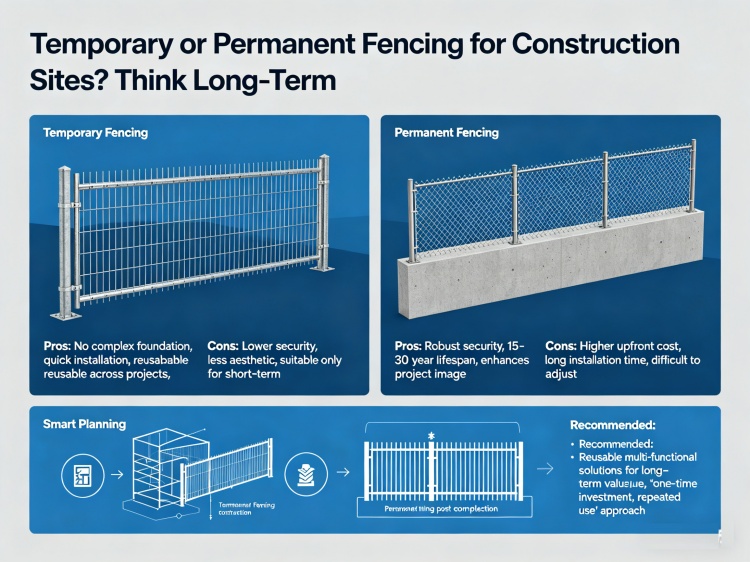
Temporary Fencing: Quick Setup, Maximum Flexibility
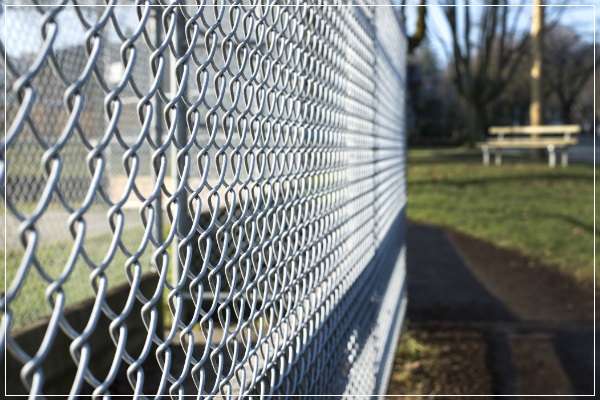
Temporary fencing, typically crafted from galvanized steel, is the go-to choice for projects that need to move fast. No complicated foundations required—just quick installation that keeps your site compliant from day one.
The real beauty? You can use it again and again. When one project wraps up, simply relocate it to the next job site. This reusability dramatically cuts your per-project costs over time.
However, temporary fencing does have its limits. Security levels are lower, aesthetics aren’t its strong suit, and it’s really designed for short-term needs. Think of it as the reliable workhorse that gets the job done efficiently but doesn’t stick around forever.
Permanent Fencing: Built to Last, Built to Impress
Now, let’s talk about the heavyweight champion—permanent fencing. When you’re looking at long-term protection for industrial parks, commercial properties, or completed developments, this is your best bet.
With concrete foundations and anti-climbing designs, permanent fencing delivers serious security that lasts 15 to 30 years. Plus, it looks professional and polished, enhancing your project’s overall image from the outside in.
But here’s the catch: higher upfront costs, longer installation times, and once it’s in place, you’re pretty much committed. No quick changes or easy adjustments—this is a marriage, not a dating relationship.
The Smart Strategy: Best of Both Worlds
Here’s where things get interesting. You don’t have to choose one or the other. The real pros use a hybrid approach that maximizes flexibility while building long-term value.
Two Winning Approaches to Consider
Option 1: The Phased Approach
Start with temporary fencing during construction for maximum flexibility and quick setup. Then, once the project is complete, transition to permanent fencing for that long-term security and professional appearance. This gives you the best of both worlds without overcommitting upfront.
Option 2: The Investment Mindset
Invest in high-quality, reusable temporary fencing that becomes your company’s asset. When your project finishes, you have several options: resell it to other construction sites, rent it out for additional income, or repurpose it as warehouse partitions or event venue enclosures. This “buy once, use repeatedly” strategy transforms fencing from a construction expense into a revenue-generating asset.
The Bottom Line: Think Asset, Not Expense
Choosing the right fencing solution is really about making a smart long-term investment. The most successful construction companies don’t see fencing as a disposable consumable—they view it as a monetizable asset that can generate returns across multiple projects.
Whether you go with temporary, permanent, or a smart combination of both, the key is planning for the full lifecycle of your construction needs. By thinking strategically about fencing, you’re not just meeting safety requirements—you’re building a smarter, more profitable business model.
Ready to transform your construction fencing from a cost center to a value creator? Start thinking long-term today.




Leave a Reply