
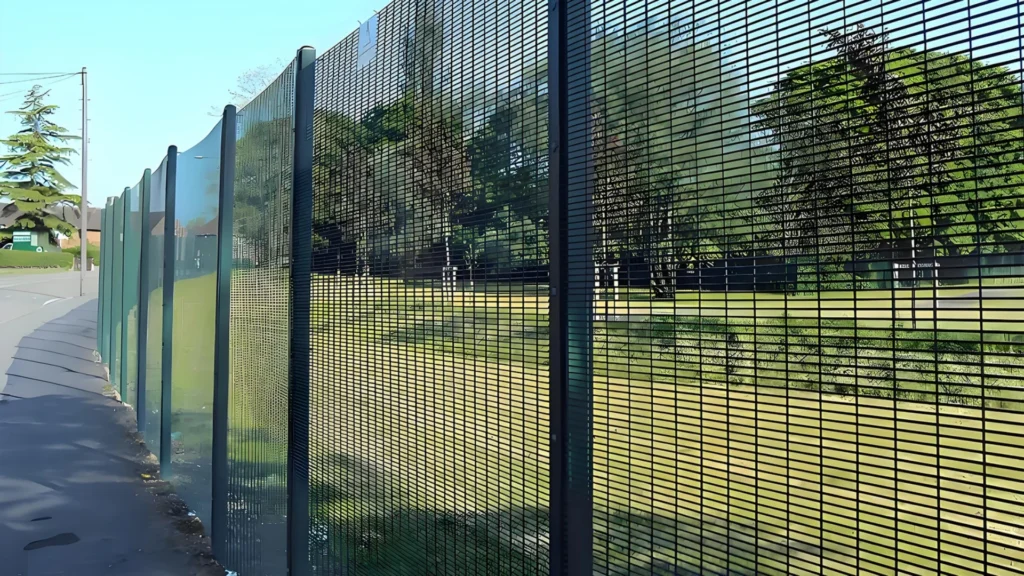
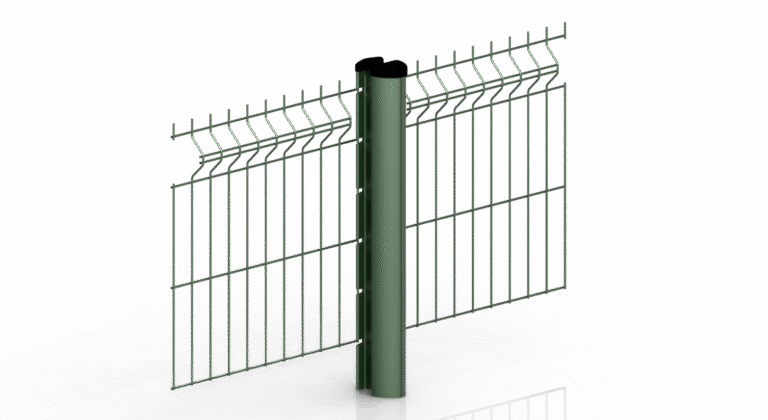
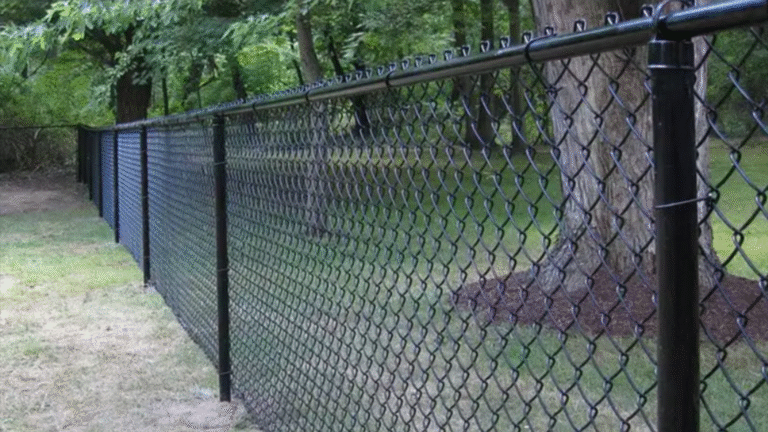
You’ve probably been there: you request quotes for “the same” metal fence from three different suppliers—and get wildly different numbers. One quote is $80 per panel, another is $120, and a third is barely $60. They all look nearly identical in photos. So… what gives?
The truth is, not all metal fences are created equal—even when they appear similar at first glance. That 30–50% price gap usually comes down to four key factors: materials, manufacturing quality, service offerings, and how you buy. Let’s unpack them one by one.
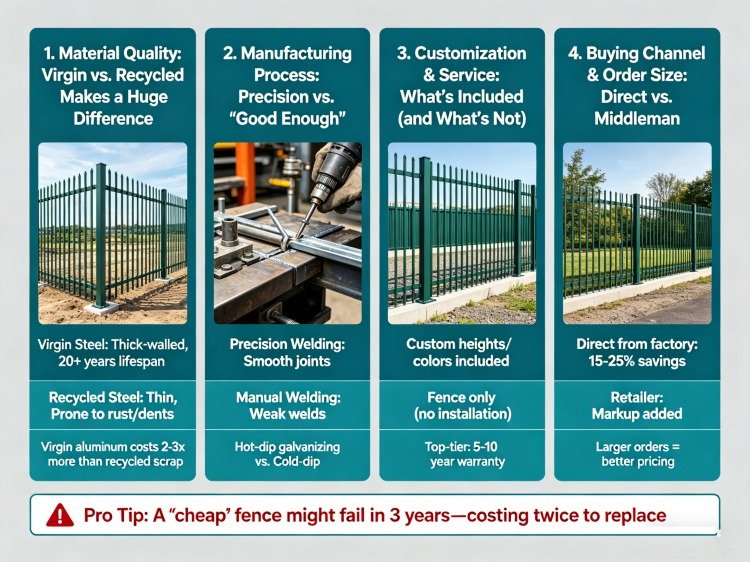
1. Material Quality: Virgin vs. Recycled Makes a Huge Difference
The biggest driver of cost? What the fence is actually made of.
- High-end manufacturers use virgin steel or thick-walled aluminum alloys. These materials are stronger, more durable, and far more resistant to rust and corrosion—often lasting 20+ years with minimal maintenance.
- Budget suppliers often cut corners with recycled metals and ultra-thin profiles. Yes, it looks like metal—but it dents easily, rusts faster, and may start peeling or warping within just a few years.
Fun fact: Virgin aluminum can cost 2–3 times more than recycled scrap. That difference alone can explain a 30%+ swing in final pricing.
2. Manufacturing Process: Precision vs. “Good Enough”
How a fence is built matters just as much as what it’s made of.
- Reputable brands invest in precision welding, hot-dip galvanizing (not cold-dip!), and electrostatic powder coating. This creates smooth finishes, rock-solid joints, and long-lasting anti-rust protection.
- Low-cost shops often rely on manual welding, inconsistent paint sprays, and shortcut treatments. The result? Bubbles, weak welds, chipping paint—and early failure.
Yes, better processes cost more upfront—but they prevent costly repairs, replacements, and headaches down the road.
3. Customization & Service: What’s Included (and What’s Not)
Some quotes include everything. Others? Just the panels.
- If you need custom heights, colors, gate designs, or curved sections, expect higher costs—because molds, engineering, and setup time increase.
- Top-tier suppliers often bundle free site measurement, professional installation, and 5–10 year warranties into their pricing.
- Budget vendors may sell “fence only”—leaving you to hire installers separately, troubleshoot fit issues, and cover future repairs out of pocket.
Always compare total project cost—not just the per-panel number.
4. Buying Channel & Order Size: Direct vs. Middleman
Where and how you buy also affects price:
- Buying direct from the factory cuts out distributor markups—saving 15–25% instantly.
- Retailers or local dealers add layers of profit, which inflates your quote.
- Larger orders = better pricing. A contractor buying 500 panels gets a steep discount; a homeowner ordering 20 pays a premium per unit.
💡 Pro Tip: A “cheap” fence might seem like a win today—but if it fails in 3 years, you’ll pay twice: once to install it, and again to replace it. True value lies in longevity, not just low upfront cost.
Don’t Judge a Fence by Its Photo
When comparing metal fence quotes, always ask: What’s the material grade? What finishing process is used? Is installation included? And what kind of warranty backs it up?
That 50% price difference isn’t random—it reflects real differences in quality, durability, and total ownership cost. Investing in a well-made fence from a trusted supplier isn’t an expense; it’s insurance against future hassle, cost, and disappointment.
Choose wisely. Your property—and your wallet—will thank you for years to come.




Leave a Reply