
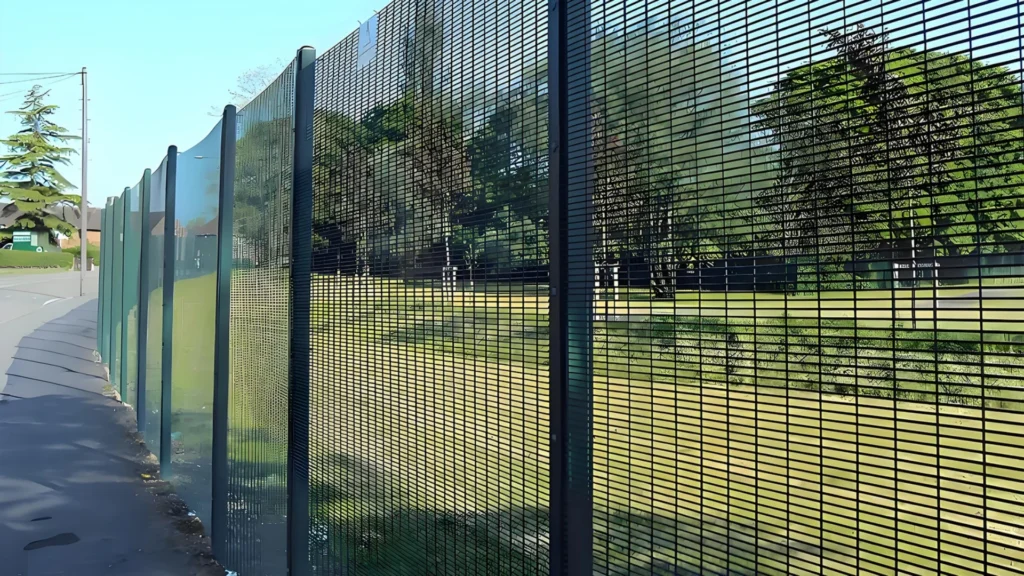
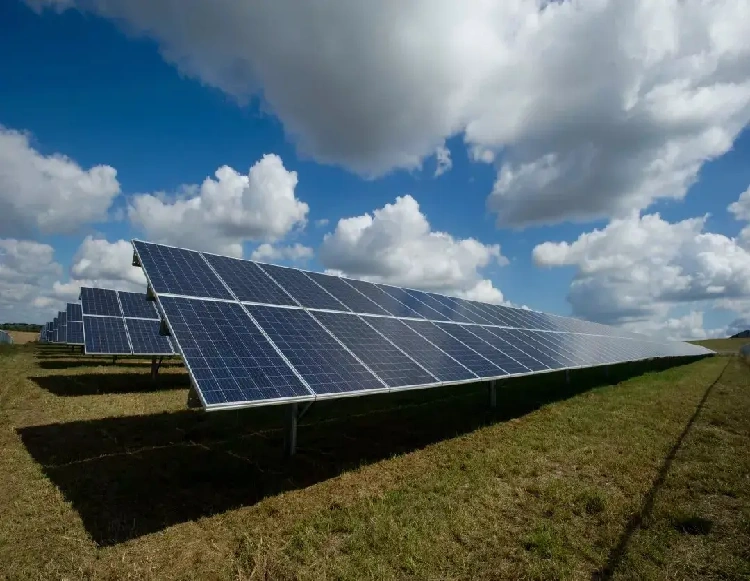
Solar farms are booming—from deserts in Chile to fields in Germany and plains in Australia. But as these sprawling installations multiply, so do risks: copper theft, panel vandalism, unauthorized access, and even wildlife damage.
A strong, smart perimeter isn’t just a “nice-to-have”—it’s essential to protect your ROI and ensure uninterrupted clean energy production. The good news? You don’t have to choose between security, sustainability, and budget. Here are five proven fencing solutions used by solar developers across the globe.
1. Chain Link Fence – The Trusted Standard
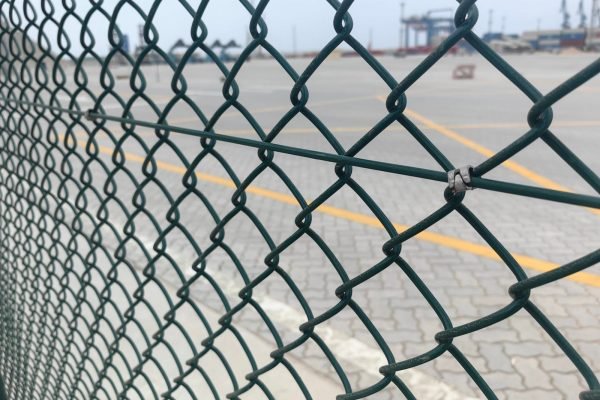
Simple, affordable, and quick to install, chain link remains the go-to for many utility-scale projects. Its open weave allows airflow (reducing wind load) and visibility for patrols or drones—while still deterring casual intruders.
Best for: Large-scale solar parks needing reliable, low-maintenance baseline security on a tight budget.

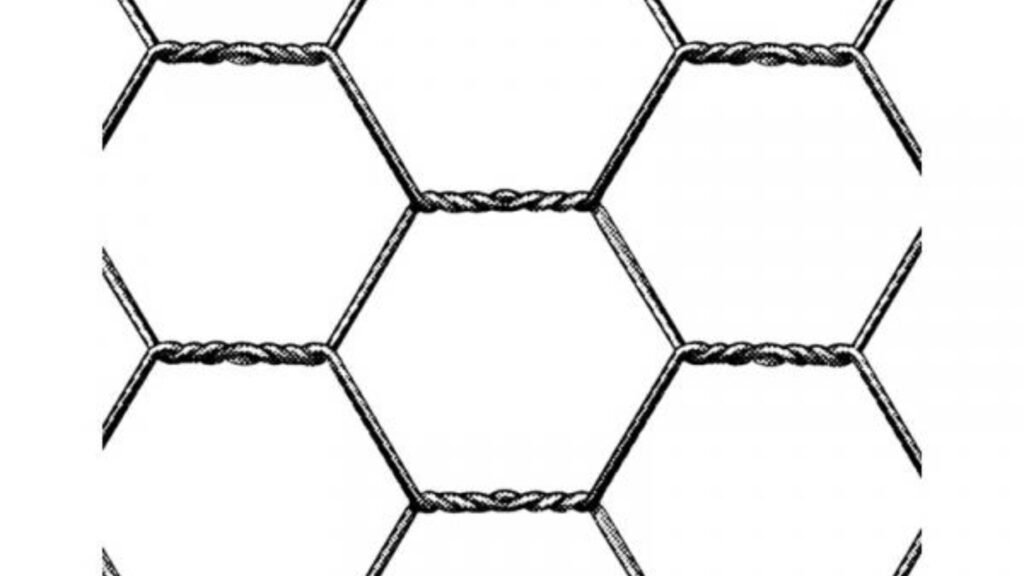
2. Honeycomb (Hexagonal) Mesh – Eco-Friendly Strength
Often made from recycled steel and finished with eco-coatings, honeycomb fencing offers superior rigidity and a lower visual impact. Its geometric pattern blends better with natural landscapes than traditional grids—ideal for environmentally sensitive zones.
Best for: Projects near protected habitats, rural communities, or ESG-focused developers prioritizing sustainability without sacrificing durability.
3. Electric Perimeter Fence – Smart Deterrence
A non-lethal pulse delivers a memorable warning—enough to stop trespassers but safe for animals and humans. Modern systems integrate with cameras, alarms, and remote monitoring apps, making them perfect for remote desert or mountain installations with limited on-site staff.
Best for: High-value or isolated solar farms where real-time intrusion alerts are critical.
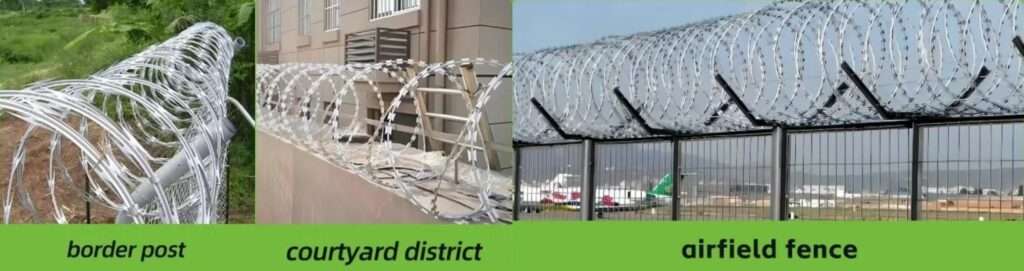
4. Concertina Razor Coil – Maximum Physical Barrier
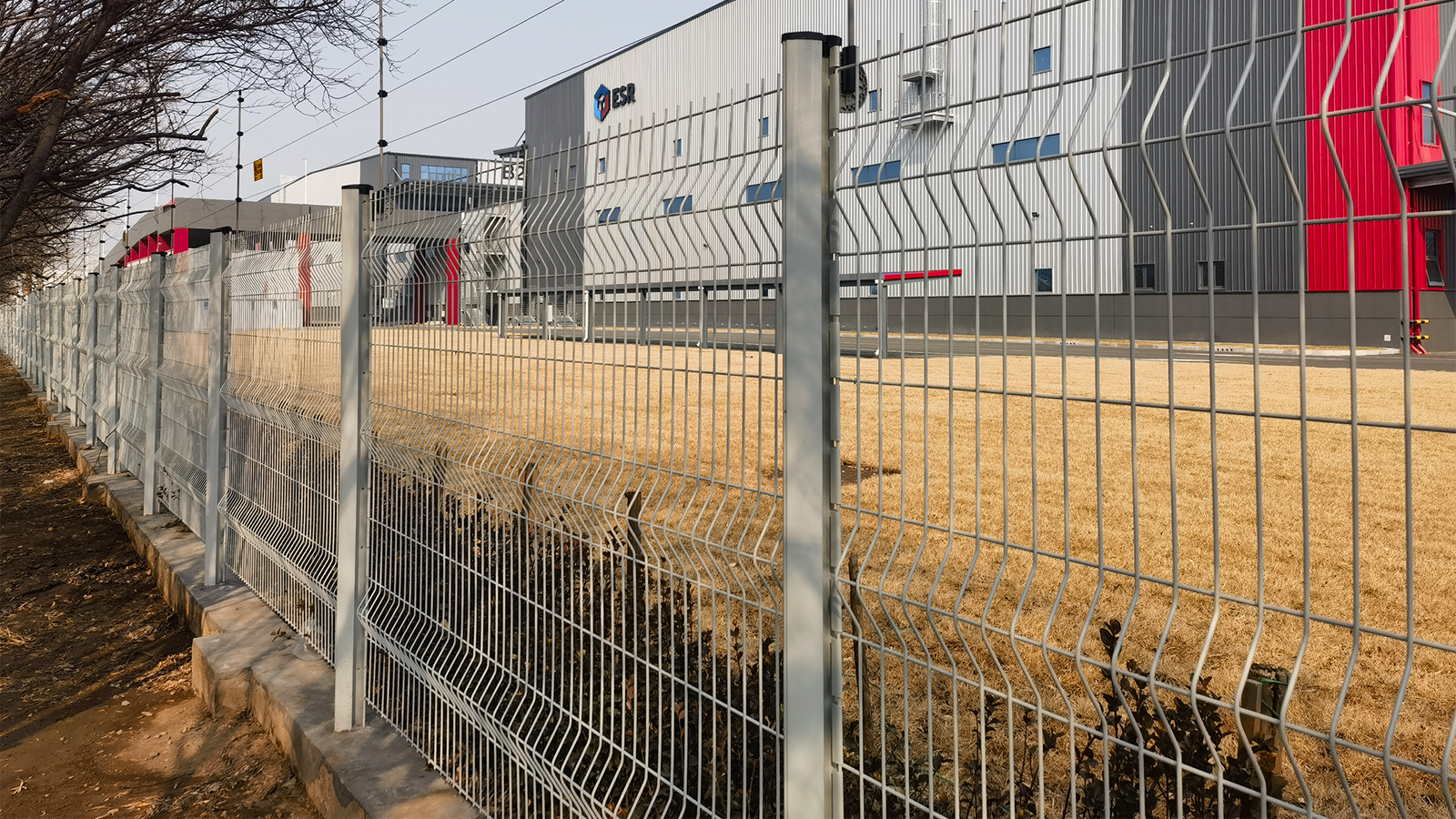
Coiled razor wire adds a formidable top layer to any fence. Its sharp, overlapping blades prevent climbing and cutting—without requiring massive structural support. Often paired with weld mesh or chain link for layered defense.
Best for: Sites in high-theft regions or near borders where deterrence must be absolute.
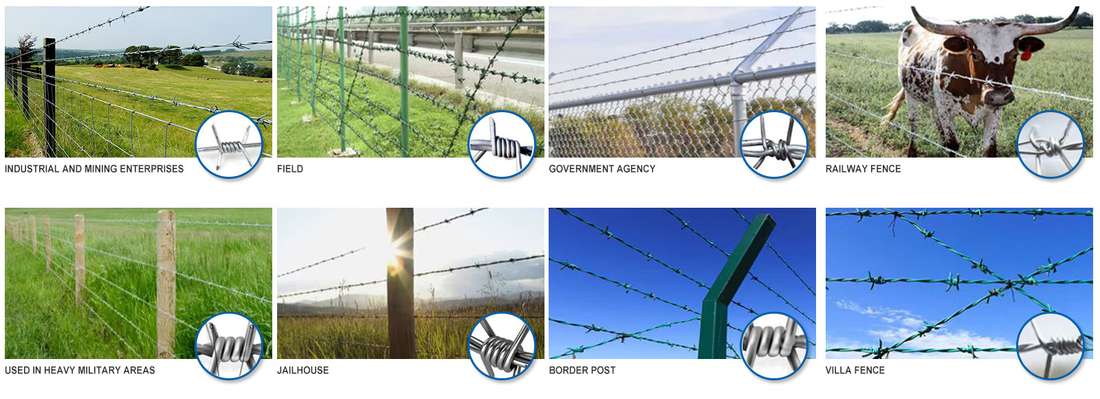
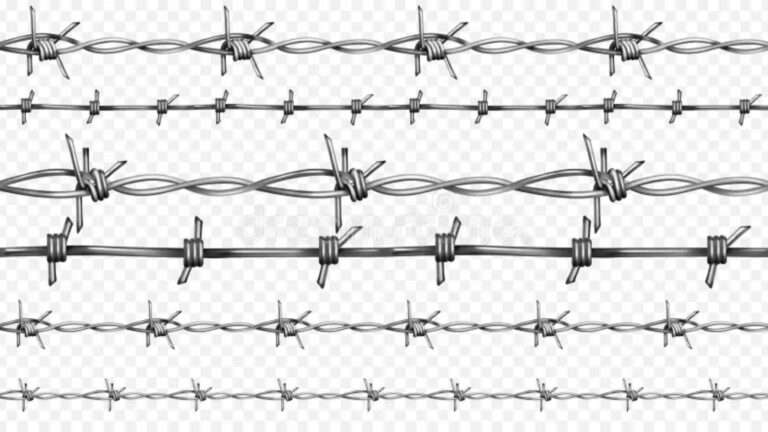
5. Barbed Wire Topping – Simple & Effective
Sometimes the classics work best. Adding barbed wire strands to an existing fence costs little but significantly raises the difficulty of breaching. It’s especially effective against opportunistic intruders and large wildlife (like deer or boars).
Best for: Budget-conscious upgrades or rural solar farms dealing with animal intrusion.
How to Choose the Right System
Your ideal fence depends on three things:
- 📍 Location: Remote desert? Suburban edge? Coastal zone?
- 💰 Budget: Upfront cost vs. long-term maintenance
- ⚠️ Threat level: Theft hotspots? Wildlife corridors? Vandalism history?
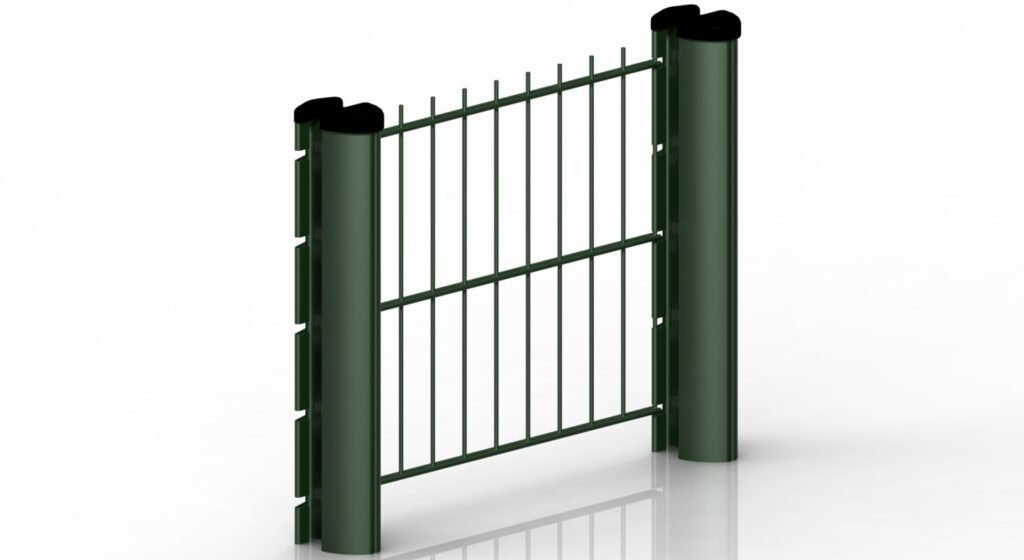
Many leading developers now use hybrid systems—e.g., welded anti-climb mesh base + concertina top + optional electric pulse—for layered, future-proof security.
Don’t Forget Sustainability
The best solar fencing today is also green:
→ Made from recycled steel
→ Coated with lead-free, UV-stable powder
→ Designed for disassembly and reuse at end-of-life
After all, if you’re generating clean energy, your perimeter should reflect those values too.
Final Thought
Your solar farm powers the future. Make sure its first line of defense is just as forward-thinking. Whether you need basic protection or a high-tech barrier, the right fence keeps panels safe, operations smooth, and investors confident—anywhere in the world.
Because clean energy deserves clean, smart security. ☀️🔒



发表回复