
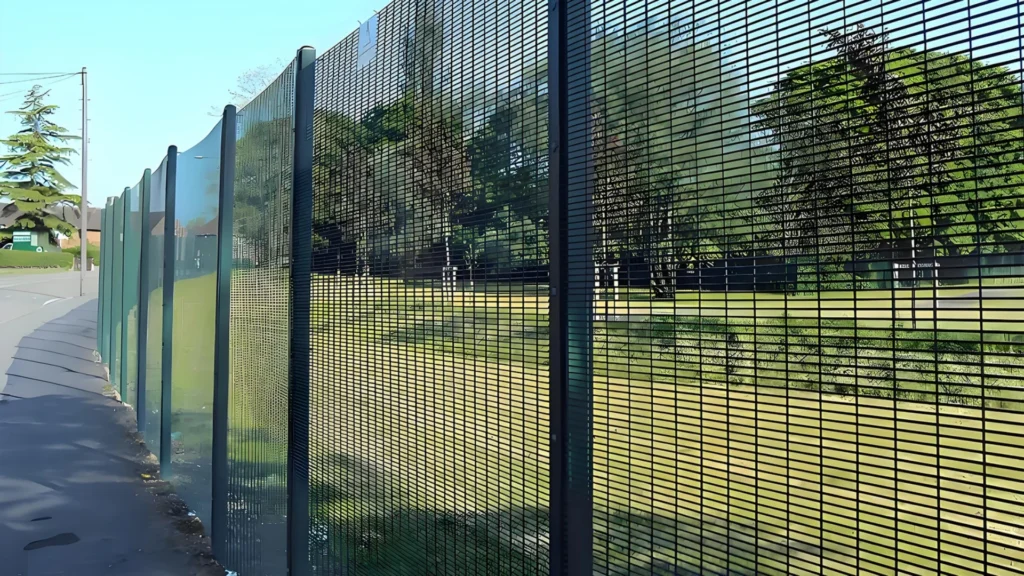
When it comes to reliable perimeter security, welded mesh fencing—like BRC panels—is a top choice worldwide. But what makes it so tough? It all comes down to the welding process. Let’s break it down in simple, real-world terms:
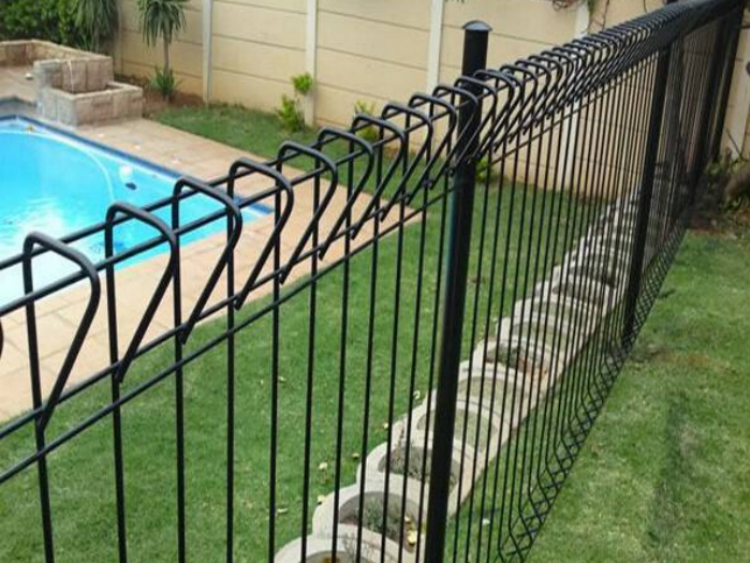
1. Start with Quality Steel
We only use high-grade steel or iron rods—no shortcuts. Paired with the right welding wire and electrodes, this ensures every joint can handle pressure, weather, and time.
2. Clean Before You Weld
Rust, oil, or dirt? Big no-no. We clean every surface thoroughly—usually with sandblasting or grinding—so the weld sticks perfectly. A clean surface = a stronger bond.
3. Precision Machine Settings
Our welding machines aren’t just turned on and left alone. We fine-tune the current, voltage, and timing based on the fence specs. This keeps every weld consistent—no weak spots.
4. Spot-Welding That Holds Tight
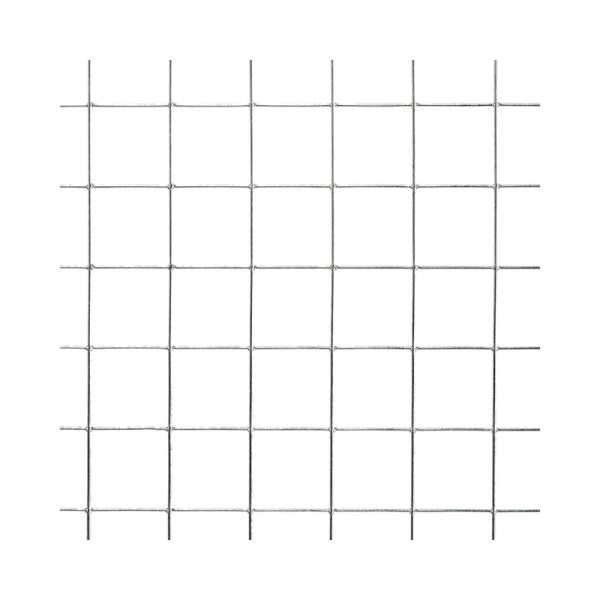
Using automated resistance welding (the gold standard for BRC fences), we fuse vertical and horizontal wires at each intersection under heat and pressure. The result? A rigid, one-piece panel that won’t wobble or loosen.
5. Smooth Finish, Extra Protection
After welding, we smooth out any rough edges and prep the fence for coating. Most of our panels get hot-dip galvanized first, then often a PVC or powder coating—making them rust-resistant, UV-proof, and safe from tampering.
6. Final Quality Check
Every batch is inspected: Are the welds solid? Is the grid even? Does it look clean and professional? If it doesn’t pass, it doesn’t ship.
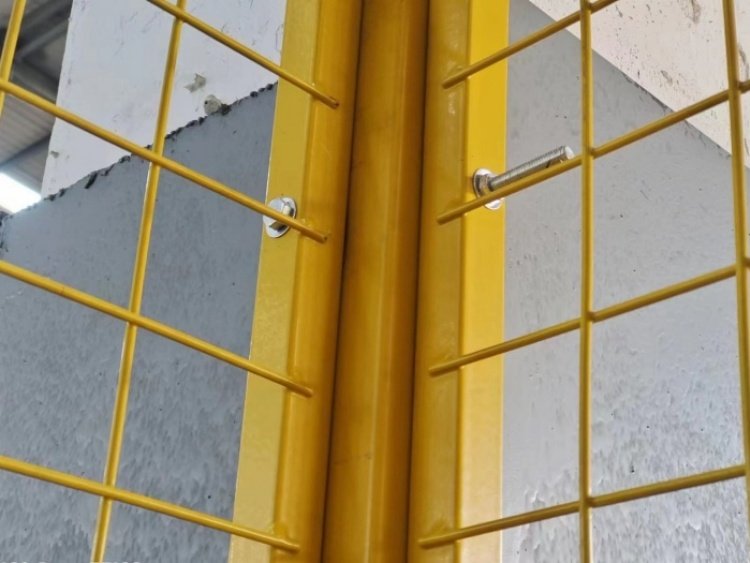
Bonus: Why Welding Method Matters
While arc or laser welding works for some jobs, electric resistance welding is ideal for BRC mesh—it’s fast, clean, and creates uniform joints without extra filler material. That’s why it’s the industry go-to for security fencing.


Leave a Reply