
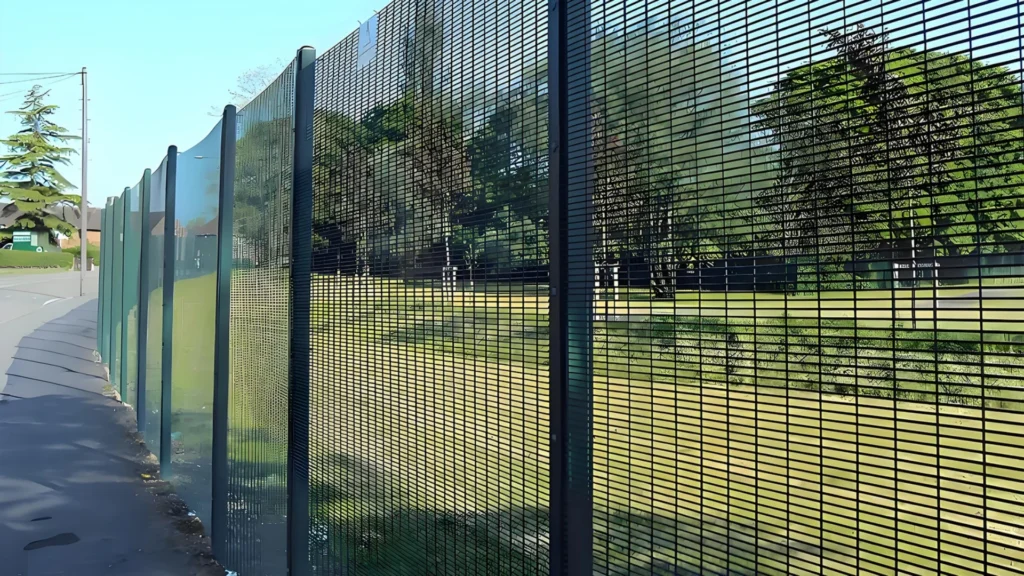
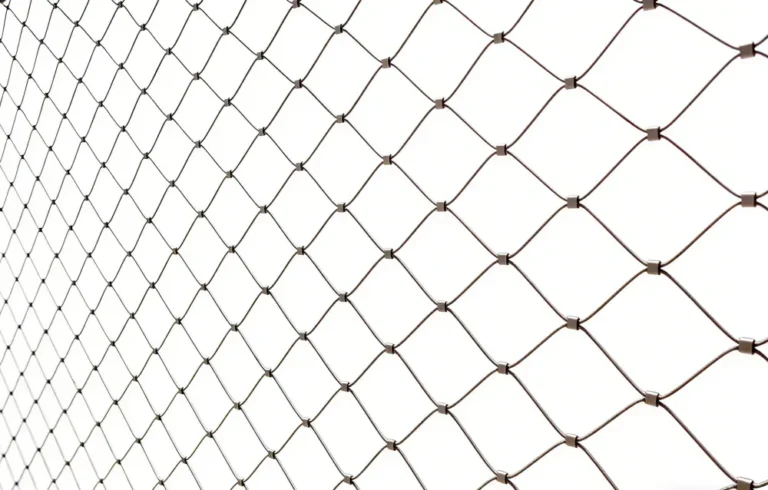
When it comes to building safe, secure, and visually clean habitats for animals—from tigers to tropical birds—the go-to solution in modern zoos and wildlife parks is stainless steel rope mesh.
This isn’t your average wire fence. It’s a high-performance, corrosion-resistant, and aesthetically minimal barrier engineered specifically for demanding animal environments. And yes—it’s strong enough to contain a tiger.
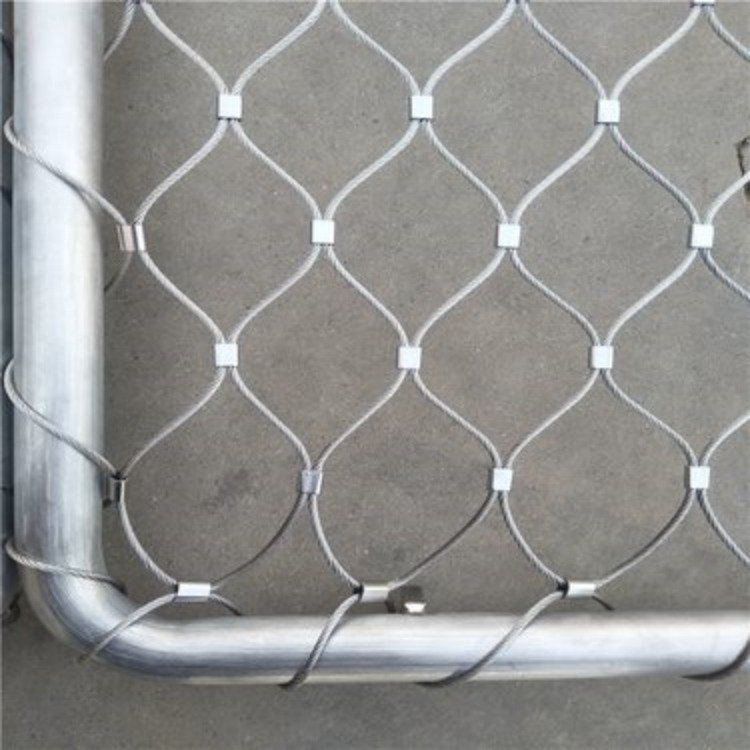
Why Zoos Trust Stainless Steel Rope Mesh
- 🐯 Built for strength: Woven from multi-strand stainless steel cables that resist biting, clawing, and impact.
- 🌧️ Weatherproof for life: No rust, even in humid rainforests, salty marine parks, or snowy climates.
- 👁️ Nearly invisible design: Open weave offers unobstructed views for visitors and natural light for animals.
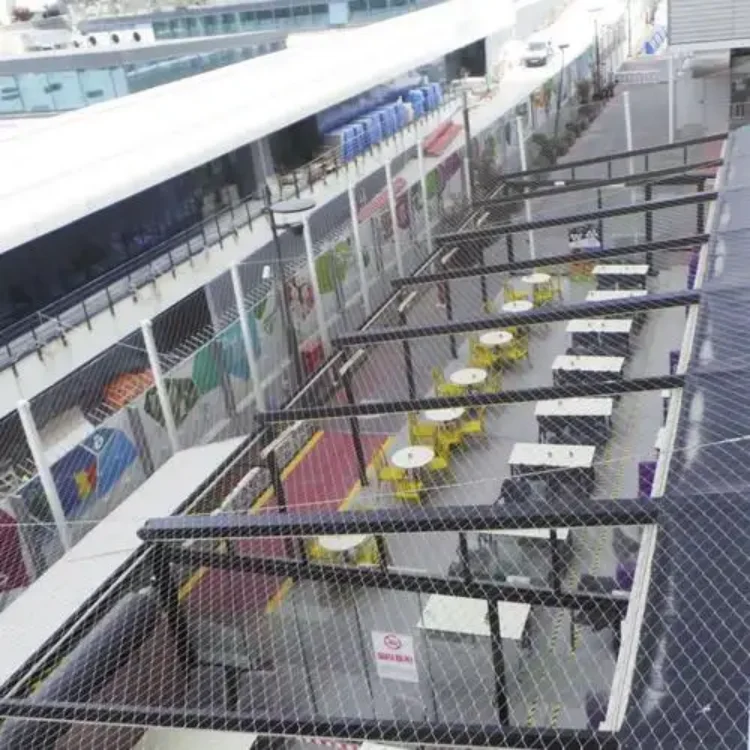
- 🎨 Versatile beyond zoos: Also used in architectural facades, home decor, stage rigging, sports safety nets, and garden art.
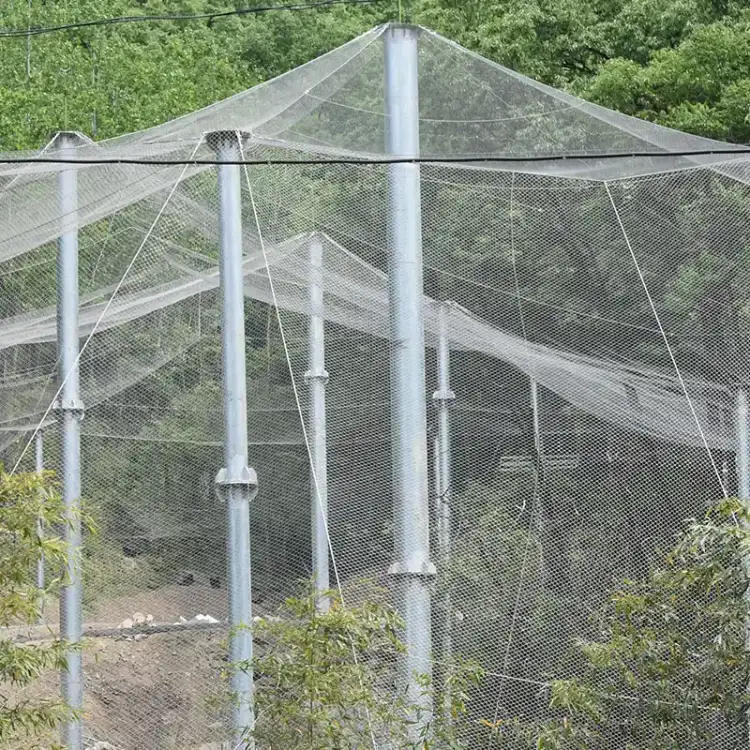
Common Applications in Wildlife Facilities
You’ll find this mesh in:
- 🐅 Tiger enclosures (cages, perimeter walls, overhead canopies)
- 🦜 Aviaries and bird flight nets
- 🐬 Marine mammal viewing barriers
- 🌿 Primate habitats and mixed-species exhibits
- 🌳 Landscape integration—blending security with natural aesthetics
Key Technical Specifications
Here’s what matters when specifying stainless rope mesh for animal containment:
Material Grade
- SUS304 – Excellent general-purpose corrosion resistance (ideal for most inland zoos)
- SUS316 – Superior saltwater/chlorine resistance (perfect for ocean parks or coastal facilities)
Wire Rope Diameter
Ranges from 1.2mm to 3.2mm, depending on animal size and risk level:
- Small birds/reptiles: 1.2–2.0mm
- Medium mammals: 2.5–3.0mm
- Large predators (e.g., tigers, lions): 3.2mm standard
Mesh Opening (Aperture)
Typical diamond or square openings range from 20mm to 150mm:
- Tight mesh (20–50mm): Prevents small animals from escaping or getting limbs stuck
- Standard predator mesh: 50–100mm (commonly 75mm for big cats)
- Larger openings (100–150mm): Used in aviaries or decorative zones where containment isn’t critical
Construction & Craftsmanship
- 🧵 Multi-strand cable structure (e.g., 7×7 or 7×19) for flexibility + tensile strength
- ✋ Hand-woven cross-weave technique – ensures uniform tension and structural integrity
- 📐 Fully customizable panel sizes – made to fit curved walls, domes, or irregular exhibit shapes
Customization Is Standard
Reputable manufacturers don’t just sell stock panels—they work with zoo designers to create:
- Curved or arched sections for immersive habitats
- Integrated door frames or service hatches
- Special edge finishes (clamped, looped, or framed)
The Bottom Line
Stainless steel rope mesh strikes the perfect balance between safety, durability, and visitor experience. Whether you’re upgrading a tiger exhibit or designing a new rainforest dome, choosing the right spec—not just the right material—is what keeps animals secure and guests coming back.
Because great animal care starts with smart boundaries. 🐾



发表回复